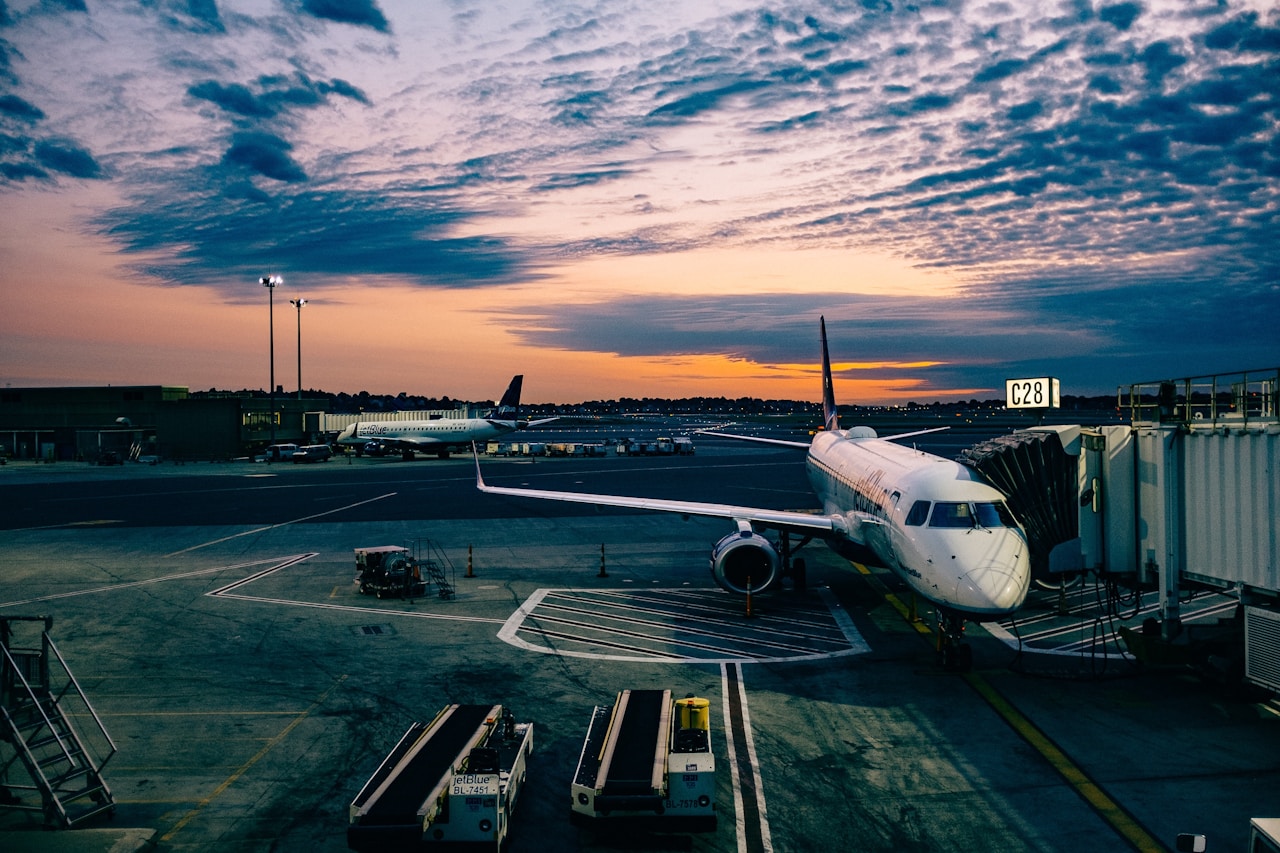
Spirit Airlines Flight Attendant
Understanding flight attendant careers at budget airlines has gotten complicated with all the conflicting information flying around. As someone who’s spent time researching airline crew positions across carriers from legacy to ultra-low-cost, I learned what the Spirit Airlines role actually involves on a day-to-day basis. Today, I will share that knowledge with you.
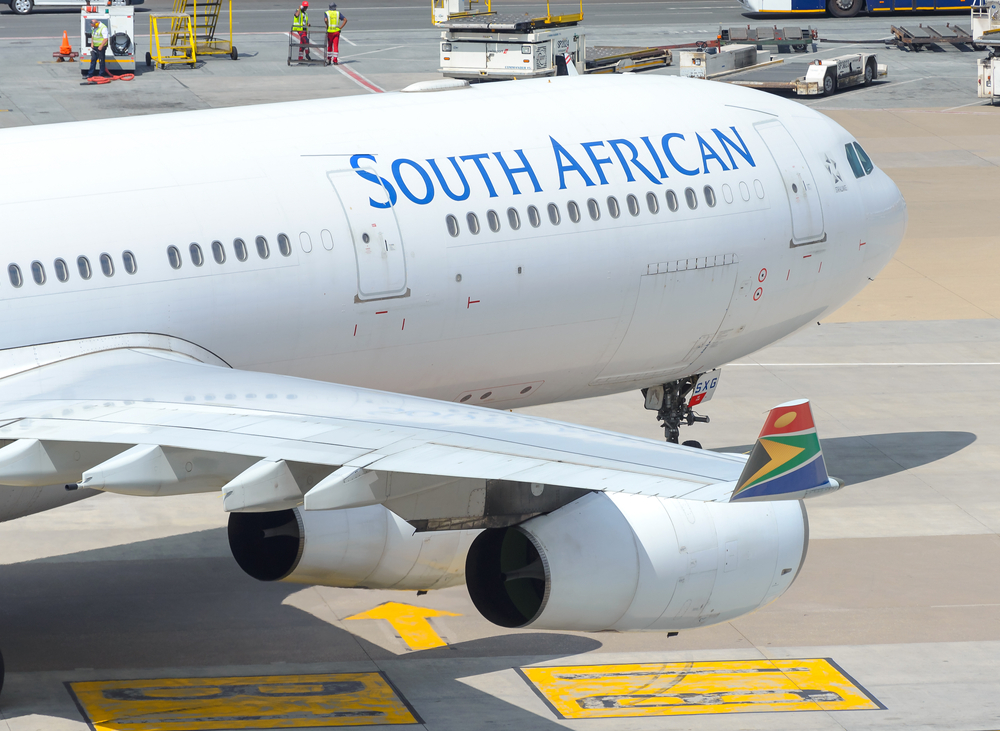
Responsibilities
The job starts before passengers board. Pre-flight duties include security checks verifying that emergency equipment is functional — oxygen masks, life vests, fire extinguishers, all of it. Safety demonstrations and regulation compliance happen on every single flight, not just when new passengers are watching. During flights, attendants handle in-flight service for snacks, beverages, and assist passengers with special needs. Coordination with the cockpit crew maintains communication throughout every flight phase, takeoff through landing.
Probably should have led with this, honestly: the job is fundamentally about safety, not service. Everything else is secondary to getting everyone off the plane in one piece if something goes wrong.
Training
Training runs four to six weeks and it’s genuinely rigorous — the FAA doesn’t allow airlines to cut corners here. Trainees cover safety protocols, emergency procedures, customer service techniques, and Spirit-specific policies. Aircraft-specific training teaches the layout and safety features of every aircraft type in the fleet. Regular refresher courses keep attendants current on regulations and any procedural updates. I’m apparently the type who appreciates standardized safety procedures more than most people, and that systematic approach works for me while improvised approaches never would.
Work Environment
Schedules vary widely — early mornings, late nights, weekends, holidays. That’s the nature of aviation. Physical demands include standing and walking for hours, lifting luggage to overhead bins, and staying alert through long shifts. Fitness matters for handling these requirements sustainably over a career.
That’s what makes airline crew life endearing to those who love travel — the schedule chaos comes with access to destinations most people only dream about.
Uniform and Appearance
Spirit has specific guidelines governing attire — blazer, shirt, pants or skirt, appropriate footwear in the airline’s signature yellow color scheme. A neat, professional appearance is maintained at all times. Personal grooming standards are enforced. It’s more detailed than most jobs, but the uniform creates consistent brand recognition that passengers respond to.
Compensation and Benefits
Compensation includes base pay, flight hours pay, and per diem allowances. Benefits include health insurance, retirement plans, and travel perks. The discounted or free flights extending to family members are the benefit that most flight attendants mention first — and honestly, after a few years in the role, those travel perks represent real financial value. That’s what makes airline careers endearing to us who value experiences over pure salary figures.
Challenges
Difficult passengers create genuine stress. Spirit’s Bare Fare model means passengers sometimes board frustrated about fees they didn’t anticipate, and that frustration gets directed at the cabin crew. Irregular hours affect sleep and work-life balance in ways that take adjustment. Physical demands require being on your feet for long periods on short turnarounds. Emergency handling requires calm efficiency under pressure that most jobs never test.
Skills and Qualities
Strong communication matters enormously — clear, assertive information delivery when passengers need to follow safety instructions, and patient explanations when they’re confused or upset. Customer service skills for diverse passenger interactions come with experience. Problem-solving under pressure is something you either develop or you don’t. Physical fitness sustains performance through the demands of the schedule.
Career Progression
Experienced flight attendants can move into supervisory or lead roles. Some transition to corporate positions in training or management. The skills built in this role — handling difficult situations, managing logistics, working under pressure — translate into opportunities throughout the airline and beyond it.
Hiring Process
The process runs: online application, interview including group activities and role-playing scenarios, background check, and medical examination. The group activities part is telling — Spirit wants to see how you interact with others, not just how you answer prepared questions. Role-playing puts you in specific scenarios to see how you handle passenger situations before they hire you.
Industry Trends
Technology and consumer preferences continue reshaping operations. Airlines invest in more efficient aircraft and advanced service systems. Environmental sustainability measures grow throughout the industry. Flight attendants who stay current on these changes find their career paths expanding rather than narrowing.
Customer Experience Role
Flight attendants are the airline’s face for passengers. Whatever passengers think of Spirit going in, the cabin crew is who they actually interact with. Positive interactions can change a perception. Negative ones confirm it. Training emphasizes friendly, efficient service while maintaining safety — in that order, with safety always first.
Community and Support
Spirit promotes employee community through peer networks and mentoring programs. Wellness resources and mental health support acknowledge that the job carries real emotional demands. The community among crew members is often cited as one of the genuine pleasures of the work — people who understand what the job actually involves, because they’re living it too.
Stay in the loop
Get the latest aircraft insider updates delivered to your inbox.