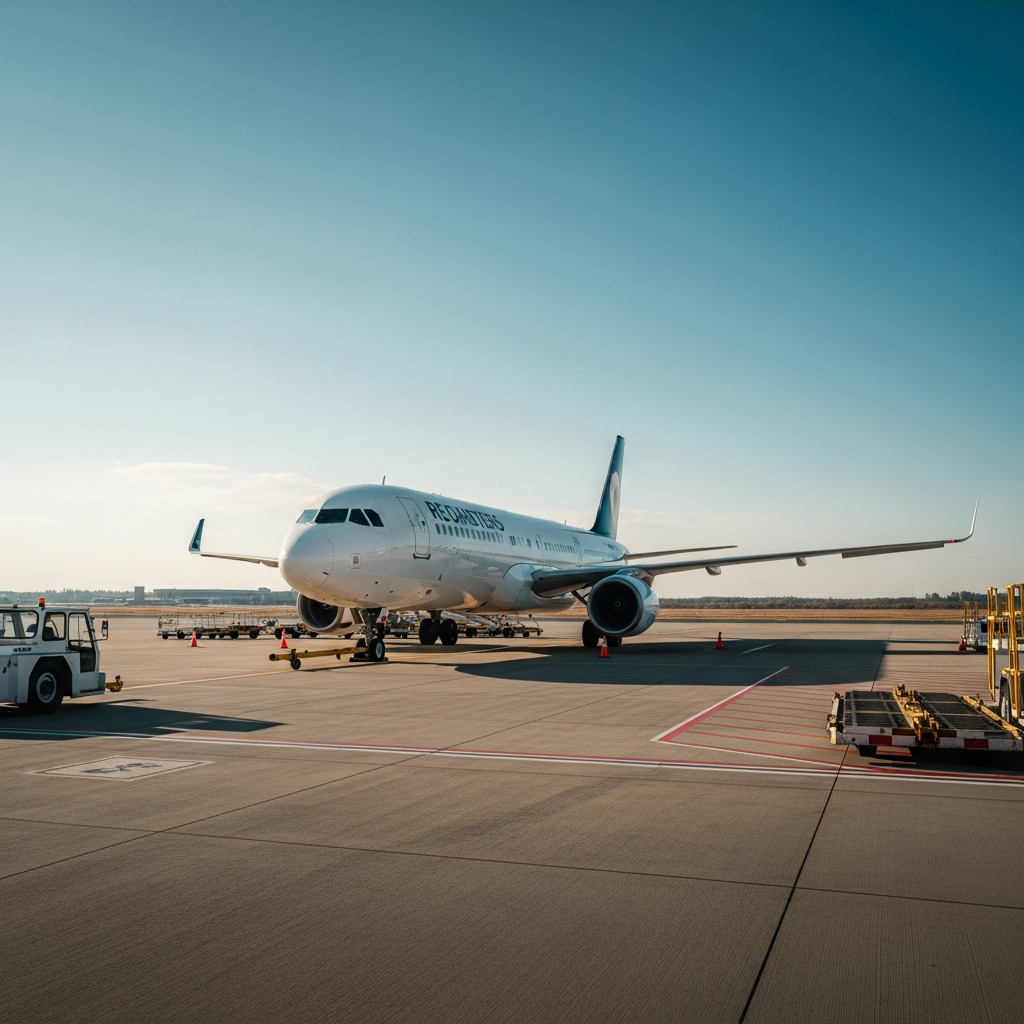
Summer flight cancellations are accelerating across Europe and North America. The cause is straightforward — jet fuel prices are hovering near multi-year highs, driven by the Strait of Hormuz closure triggered by the Iran conflict that began February 28, which has drained global supply and pushed aviation fuel past $4.00 per gallon in key markets.
Norse Atlantic Pulls the Plug on LAX
Norse Atlantic Airways landed the sharpest single blow on April 16, formally confirming the cancellation of all summer flights from Los Angeles International Airport. The Oslo-based carrier had planned up to six weekly Boeing 787-9 Dreamliner services to London Gatwick, four weekly to Paris Charles de Gaulle, and two weekly to Rome Fiumicino — routes running between 11 and 12.5 hours each way, among the most fuel-intensive in the network. Fuel typically accounts for 35–45% of airline operating costs. On these ultra-long-haul sectors, that figure had climbed above 55% in the current environment, making the math impossible to ignore.
“This cancellation is due to the unforeseen global fuel crisis, and we unfortunately — with a heavy heart — had to cancel our beloved LAX routes with too high fuel risk exposure. This will protect a sustainable future, and our ability to remain a reliable service for our passengers this summer.” — Norse Atlantic Airways
Norse is pivoting toward shorter, higher-yield city pairs — prioritizing New York JFK and Orlando MCO — while leaning on ACMI contracts, including work with IndiGo, to stabilize cash flow through the disruption.
Lufthansa Group Takes the Deepest Structural Cuts
Lufthansa Group moved fastest among the majors. On April 16, CFO Till Streichert announced an accelerated fleet reduction effective April 18: Lufthansa CityLine’s entire operational fleet of 27 CRJ900 regional jets — averaging 16 years in service and configured in 90-seat all-economy layouts — was permanently removed from the flight program. Four Airbus A321 freighters operated by CityLine under a wet lease for Lufthansa Cargo, based at Frankfurt, haven’t turned a wheel since April 15, according to FlightRadar data.
“The package for accelerated implementation of fleet and capacity measures is unavoidable in light of the sharply increased kerosene costs and geopolitical instability.” — Till Streichert, Lufthansa Group CFO
The group’s last four Airbus A340-600s — four-engine heavies carrying structurally higher per-seat fuel burn than modern twinjets — will exit the fleet permanently in October, alongside two Boeing 747-400s. By the week of April 23, Lufthansa had announced a total of 20,000 short-haul flight cuts through October, suspending service to Bydgoszcz and Rzeszow-Jasionka in Poland and Stavanger in Norway. The cuts are expected to save approximately 40,000 tonnes of jet fuel.
Lufthansa had hedged roughly 80% of its fuel needs at lower pre-crisis prices. It’s that unhedged 20% — bought at spot — that has made marginal flying economically indefensible.
Delta, United, Air France, KLM Also Trimming
Delta Air Lines and United Airlines have both trimmed summer network capacity. United CEO Scott Kirby was blunt about the calculus on April 17, telling Bloomberg: “There’s just no point in flying flights that are going to lose money that can’t cover the cost of fuel.” Air France and KLM have made similar cuts. European carriers face a particular structural disadvantage — approximately 75% of Europe’s jet fuel imports originate from the Middle East region, and Argus Media’s head of European jet fuel pricing, Amaar Khan, noted that the strait specifically accounts for around 40% of Europe’s jet fuel imports, and confirmed that no jet fuel has transited the strait since the war broke out.
The Numbers Behind the Crisis
European benchmark jet fuel spiked to $1,800 per ton on March 18, with crude surging 64% following the Hormuz closure. The crack spread — the margin between crude input and refined jet fuel output — hit a record $80 per barrel. The world is losing an estimated 10 to 15 million barrels of oil per day, with over 20% of global seaborne jet fuel supply previously flowing through the strait.
IEA Director Fatih Birol warned that Europe had “maybe six weeks” of remaining jet fuel reserves and called the situation “the biggest energy security threat in history.”
A Flicker of Relief — Then Closed Again
On April 17, Iranian Foreign Minister Abbas Araghchi announced that, in line with the ceasefire in Lebanon, passage for all commercial vessels through the Strait of Hormuz was “declared completely open for the remaining period of ceasefire.” Oil prices dropped 11% immediately. The relief lasted less than 24 hours — Iran closed the strait again on April 18, citing the U.S. refusal to lift its naval blockade, which began April 13 following the collapse of Islamabad talks on April 12.
Rystad Energy chief economist Claudio Galimberti warned that the situation “can become systemic” within three to four weeks, with severe European flight cuts potentially beginning in May and June. We’ll continue monitoring strait status, airline capacity announcements, and fuel hedge disclosures as the summer schedule window narrows.


Stay in the loop
Get the latest aircraft insider updates delivered to your inbox.