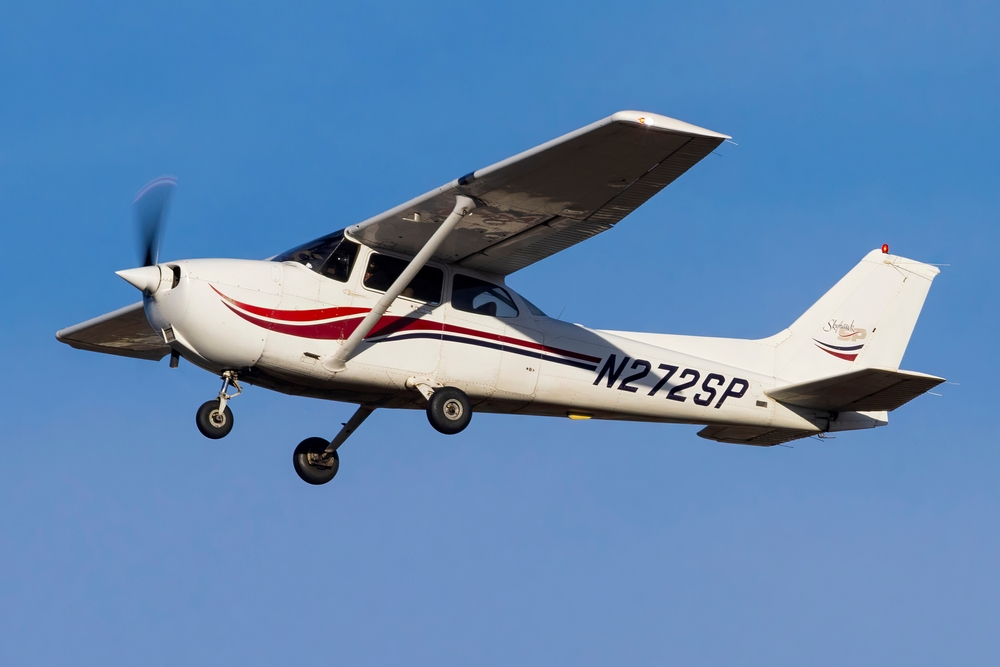
The Cessna 172 RG: A Detailed Look
As someone who got their complex endorsement in a Cessna 172 RG and has been thinking about this aircraft ever since, I learned everything there is to know about the RG Cutlass and what it offers. Today, I will share it all with you.
The experience taught me more about systems management than any ground school could. The RG combines the reliability everyone appreciates about the standard 172 with added performance features that make it a genuine stepping stone for pilots moving toward more sophisticated aircraft.

History and Development
Introduced in 1980, the Cessna 172 RG came as a direct response to growing demand for a retractable gear version of the standard 172. RG stands for Retractable Gear. Probably should have led with this, honestly, but that design change was specifically intended to reduce drag and improve cruise speed without requiring pilots to learn an entirely new airframe. Production ran until 1985, giving the type a five-year production window that left a solid fleet of them in circulation.
Technical Specifications
The 172 RG uses a Lycoming O-360-F1A6 — a four-cylinder, air-cooled engine producing 180 horsepower at 2700 RPM. Maximum takeoff weight is 2,650 pounds. Cruise speed sits around 140 knots with a range of approximately 880 nautical miles at full fuel with 45-minute reserves. That’s what makes the 172 RG endearing to pilots who want real performance improvement without radical complexity: the retractable gear makes a noticeable difference on cross-country flights compared to the fixed-gear 172.
Flight Characteristics
The aircraft is known for stable, predictable handling — the same benign nature as the fixed-gear 172. The retractable gear adds complexity that teaches valuable systems management skills without making the aircraft difficult to fly. The hydraulically actuated gear system requires proper maintenance awareness, and the variable-pitch propeller adds another layer of management that prepares pilots well for more complex transitions.
Maintenance and Inspections
Like any aircraft, the 172 RG requires regular maintenance. The retractable gear system adds inspection requirements beyond what the fixed-gear version needs. Hydraulic system checks for leaks and gear actuator inspections for wear are part of the annual process. Finding a mechanic familiar with RG-specific systems matters for keeping the aircraft properly maintained — this isn’t the most common variant and not every A&P has seen one recently.
Training Applications
The 172 RG remains useful in flight training programs that need exposure to complex aircraft features. It prepares students for advanced certifications without the intimidation factor of a larger or faster complex single. The aircraft’s forgiving nature keeps it accessible for students while the added systems provide genuine training value.
Economic Considerations
Operating costs are higher than fixed-gear 172 variants. The retractable gear system adds maintenance requirements, and the 180 horsepower engine burns more fuel than the standard 172’s powerplant. These costs need to be weighed honestly against the performance improvement and training value. For private owners, the better cruise speed can translate to real time savings on longer flights.
Pros and Cons
- Pros: Improved cruise performance. Faster speeds and greater range than fixed-gear models. Excellent complex endorsement platform. Familiar 172 handling throughout.
- Cons: Higher maintenance costs than fixed-gear alternatives. More complex systems require consistent attention. Slightly higher fuel consumption per hour.
Real-World Use Cases
Private pilots choose the 172 RG for its balance of performance and familiarity. It’s a common sight at smaller airports where pilots want more capability than a fixed trainer provides but don’t want to jump straight to a Bonanza or Mooney. Flight schools use it specifically for complex endorsements and as a bridge to higher-performance aircraft in training progressions.
Comparison with Other Models
The fixed-gear 172 is simpler and cheaper to operate but gives up the performance improvement. The Cessna 182 offers greater payload and performance at higher cost and larger size. The Mooney M20 series delivers similar cruise performance with retractable gear but often at higher acquisition cost and with less forgiving handling characteristics. The 172 RG occupies its own niche between these options.
Ownership Experience
Owners report consistent satisfaction with the 172 RG’s reliability when properly maintained. The aircraft delivers what it promises: a step up from basic trainers with manageable complexity. Prospective owners should factor in hangar space and insurance, and prioritizing a mechanic with RG familiarity pays dividends in proper maintenance.
Upgrades and Modernizations
The 172 RG accommodates modern avionics upgrades well. Installing current navigation systems, autopilot, and communication equipment significantly enhances the safety and capability of older airframes. Engine and propeller upgrades are possible but require careful planning and appropriate approvals.
Stay in the loop
Get the latest aircraft insider updates delivered to your inbox.