Southwest Airlines Pilot Hiring: What It Actually Takes
Airline pilot hiring has gotten complicated with all the requirements and processes flying around. As someone who’s researched pilot careers at multiple carriers and talked to pilots who’ve gone through various hiring pipelines, I learned what makes Southwest’s process distinctive from the others. Today, I will share that knowledge.
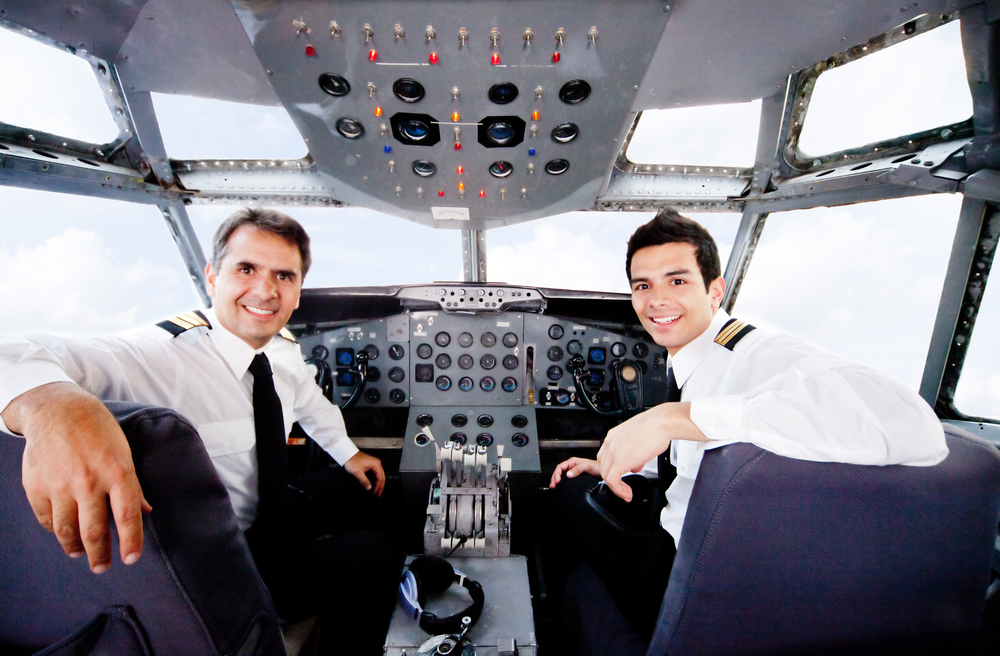
Southwest Airlines is genuinely different as an airline employer. The culture is real, not marketing. Their hiring process reflects that — they screen for cultural fit as seriously as they screen for flight hours, and that distinction shapes everything about who ends up in their cockpits.
Application Submission
Aspiring pilots start by submitting an application with required flight experience meeting Southwest’s minimum qualifications. This includes specific flight hours across categories: total time, multi-engine time, and instrument time. Getting these numbers right before applying matters — applying before you meet minimums wastes everyone’s time.
Qualifications and Prerequisites
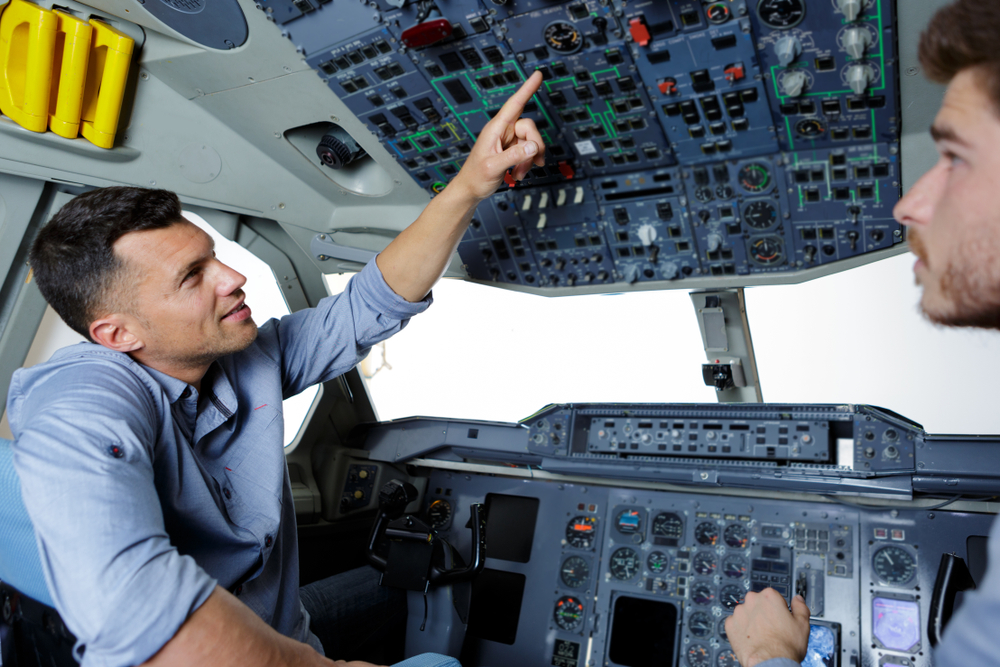
Probably should have led with this, honestly: the minimum qualifications are substantial. Meeting them is the floor, not the goal.
- Airline Transport Pilot (ATP) certificate
- Boeing 737 type rating (preferred, not always required)
- 2,500 total flight hours
- 1,000 hours PIC in turbine aircraft
- Class 1 Medical Certificate
- Legal authorization to work in the U.S.
Candidates must also demonstrate strong leadership skills and a customer-focused attitude. Southwest places genuine emphasis on fitting into their company culture — this isn’t a checkbox exercise, it’s a real evaluation.
Initial Screening
After application submission, candidates undergo initial screening involving qualification review, work history analysis, and overall fit assessment. Qualified applicants receive invitations to the in-person interview. The screening cuts a meaningful percentage of applicants before they ever get to interview, so the numbers being right from the start matters.
Interview Process
The in-person interview runs through several components. A panel interview assesses technical knowledge, problem-solving abilities, and how candidates handle specific scenarios. A separate segment focuses on personality and cultural alignment. I’m apparently the kind of person who thinks behavioral interviews reveal more than technical ones, and Southwest agrees — they weight culture heavily while technical skills work for them as table stakes.
Technical Evaluation
The technical portion evaluates understanding of aviation principles and regulations — aircraft systems, aviation weather, situational awareness. Pilots undergo flight simulator assessments that test how they handle abnormal situations under pressure. It’s not just about reciting procedures; it’s about demonstrating judgment.
Behavioral Interview
This segment examines how candidates handle specific situations. Questions involve past experiences with conflict resolution, decision-making under pressure, and leadership moments. Prepare specific examples from your career — vague answers don’t score well. That’s what makes Southwest hiring endearing to those of us who value team-oriented professionals: they genuinely care about how you work with others, not just how you land an aircraft.
Cultural Fit
Southwest seeks pilots who embody their stated values: Warrior Spirit, Servant’s Heart, and Fun-LUVing Attitude. These sound like buzzwords until you’ve seen the culture in action. Interviewers gauge genuine alignment with these principles — candidates who perform the values without believing them tend to get spotted during group activities.
Background Checks
Successful candidates undergo thorough background checks including employment verification, criminal background checks, and drug testing. The process is thorough because it should be — you’re being trusted with hundreds of lives per flight.
Training Program
Newly hired pilots enter extensive training starting with ground school covering Southwest’s operating procedures, company policies, and customer service standards — yes, customer service, because Southwest believes the cockpit crew contributes to the passenger experience. The focus throughout is mastering the Boeing 737, the only aircraft in their fleet.
The training program includes:
- Ground School: Aircraft systems and company-specific protocols
- Simulators: Full-motion flight training covering normal and abnormal operations
- Line Oriented Flight Training (LOFT): Realistic operational scenarios including emergencies
- Initial Operating Experience (IOE): Actual revenue flights with experienced captains evaluating readiness
Pilots must pass written exams and simulator evaluations at multiple checkpoints before flying revenue passengers.
Continuing Education
Southwest pilots engage in ongoing training including recurrent sessions, annual check-rides, and regulatory courses. The airline emphasizes continuous improvement and staying current with evolving industry standards. That commitment doesn’t end at initial qualification — it’s ongoing throughout a career there.
Career Growth
Clear pathways exist for advancement. Pilots progress from First Officer to Captain based on seniority and performance. Leadership and training roles become available. The airline supports development through mentoring and structured progression programs. Southwest promotes from within, which means the path is visible from day one.
Employee Benefits
Working at Southwest includes:
- Competitive salary and profit-sharing bonuses (Southwest has had an unusually long record of profitability)
- Health and wellness programs
- Retirement plans with company matching
- Travel privileges for employees and eligible family members
- Professional development opportunities
- Comprehensive insurance coverage
Becoming a Southwest pilot involves a rigorous but clearly structured process. The airline’s commitment to both excellence and culture means you know what you’re getting into — and what you’re getting into is genuinely one of the better career paths in commercial aviation.
Stay in the loop
Get the latest aircraft insider updates delivered to your inbox.