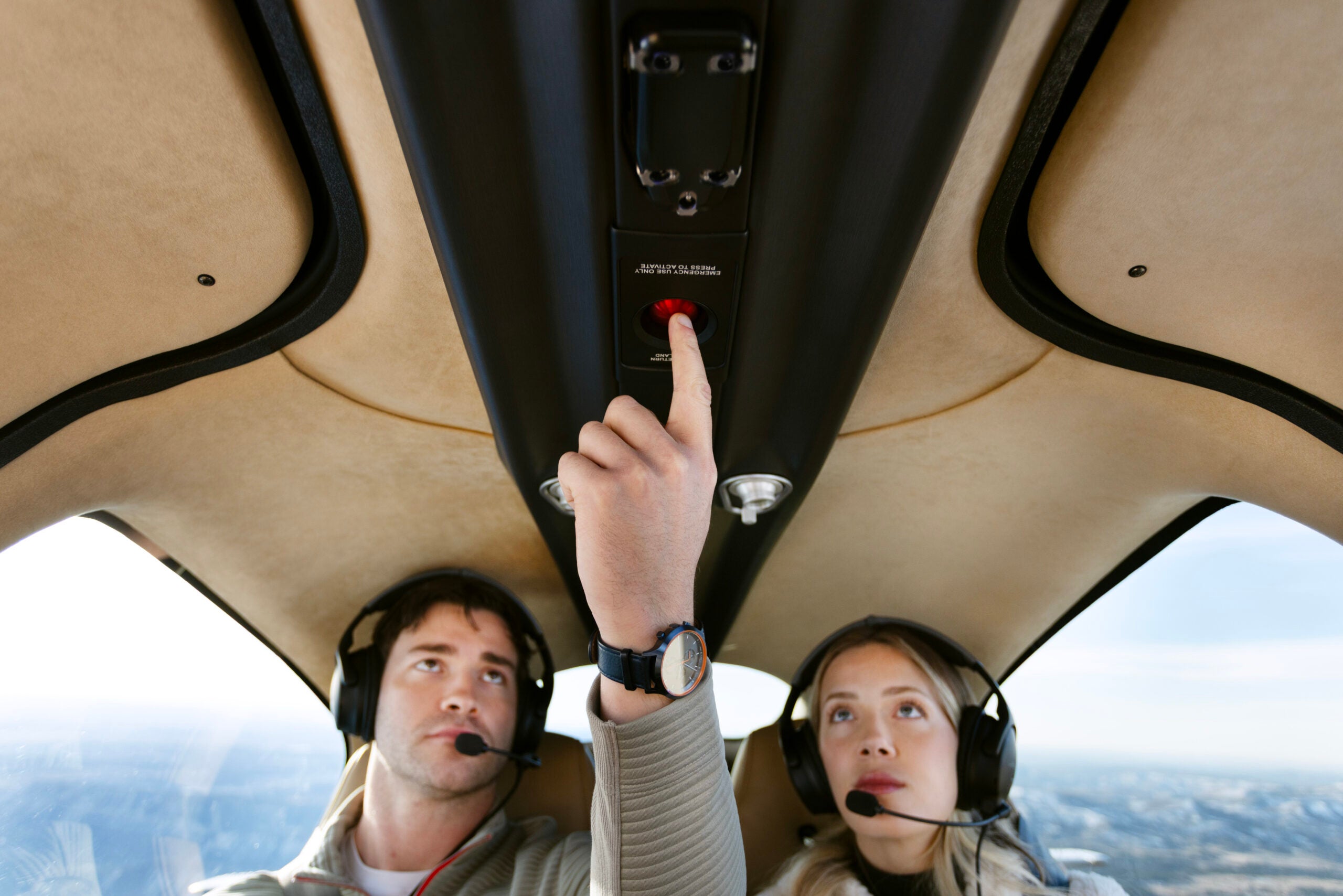
Cirrus Aircraft and Garmin have shattered industry barriers with the introduction of the SR Series G7+, the world’s first piston-powered aircraft equipped with autonomous emergency autoland capability. Announced in May 2025, this groundbreaking achievement brings jet-level safety technology to the single-engine piston market.
Safe Return: Push-Button Protection
The Safe Return Emergency Autoland system transforms emergency response in personal aviation. In the event of pilot incapacitation or any emergency situation, anyone in the cabin can activate Safe Return with a single button press on the overhead panel.
Once activated, the system takes complete control of the aircraft. Using advanced algorithms and sensors, Safe Return autonomously communicates with air traffic control, navigates to the nearest suitable airport while avoiding terrain and weather, executes a precision landing, brings the aircraft to a complete stop, and shuts down the engine – all without any pilot input required.
Four Years in Development
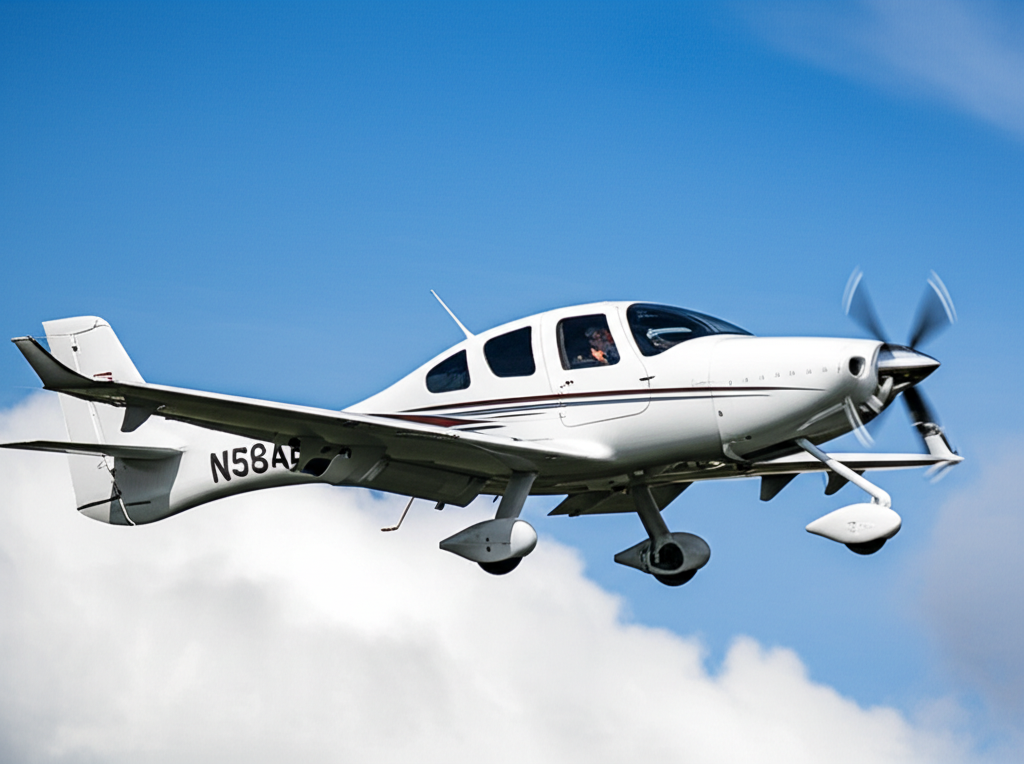
Achieving autoland in a piston aircraft required overcoming significant technical challenges. Unlike turbine aircraft with fully digital controls, piston planes use both mechanical and digital systems. The development effort took about four years of dedicated work by teams at both Cirrus and Garmin.
The G7 platform was strategically designed with Safe Return in mind. Features like automatic fuel balancing and a speed-sensing flap system were incorporated early, laying the groundwork for the autoland integration. The final implementation required adding a radar altimeter, an independent brake master cylinder, and electric servos for the throttle and mixture levers.
Intelligent Emergency Response
What sets the G7+ system apart is its ability to activate autonomously. If a pilot is flying alone or those in the cabin are unable to manually activate Safe Return, the system monitors pilot inputs and can determine if the pilot is flying erratically or is unresponsive. In such cases, it initiates automatically.
The G7+ also introduces additional safety features as standard equipment. Runway Occupancy Awareness uses ADS-B data to monitor nearby traffic and warn pilots of potential runway conflicts. Smart Pitot Heat eliminates the manual switch entirely, performing a self-test before every flight and automatically managing pitot heat based on temperature conditions.
Enhanced Flight Deck
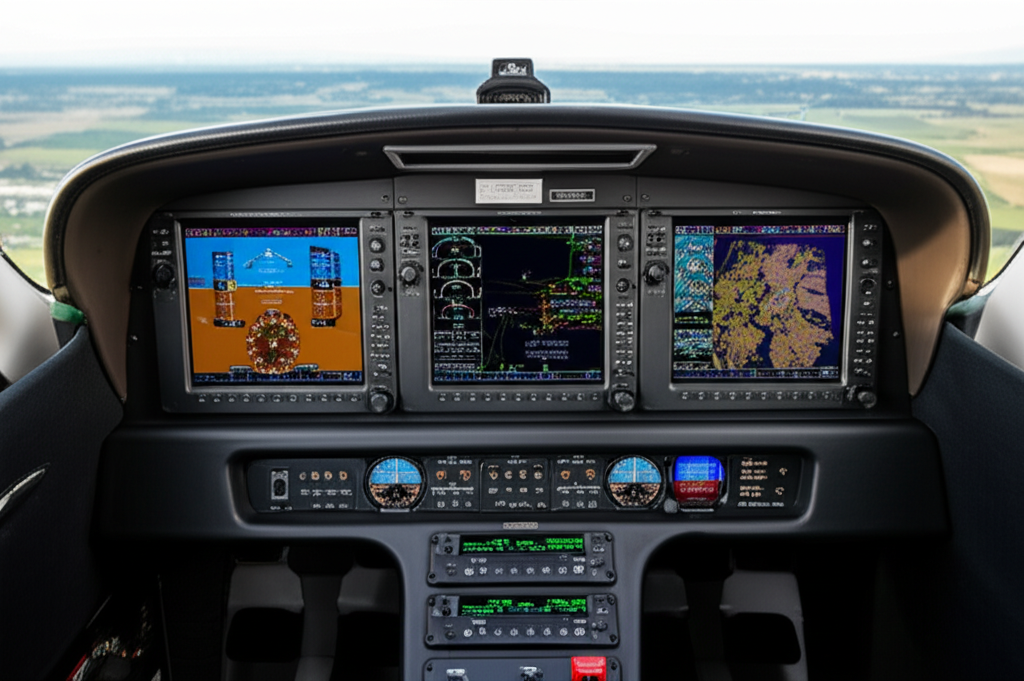
Beyond the safety innovations, the G7+ features a significantly upgraded Garmin Perspective Touch+ flight deck. The dual 14-inch screens provide split-screen viewing capability, and the system is controlled through dual touchscreen controllers – the same interface used in the Vision Jet, ensuring a seamless transition for pilots moving between aircraft.
A New Era for General Aviation
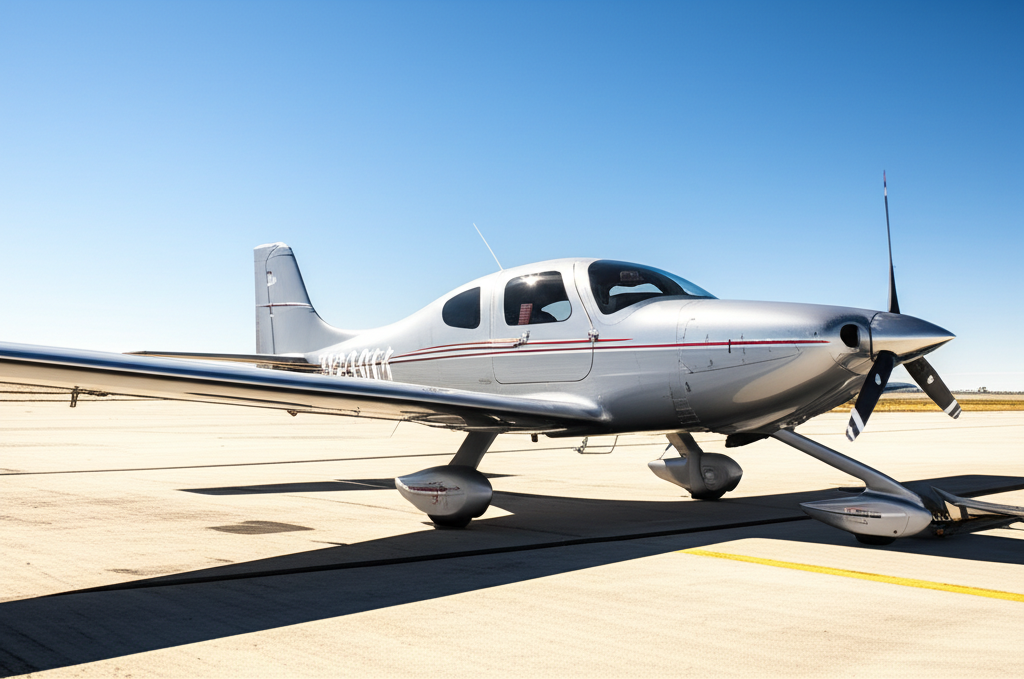
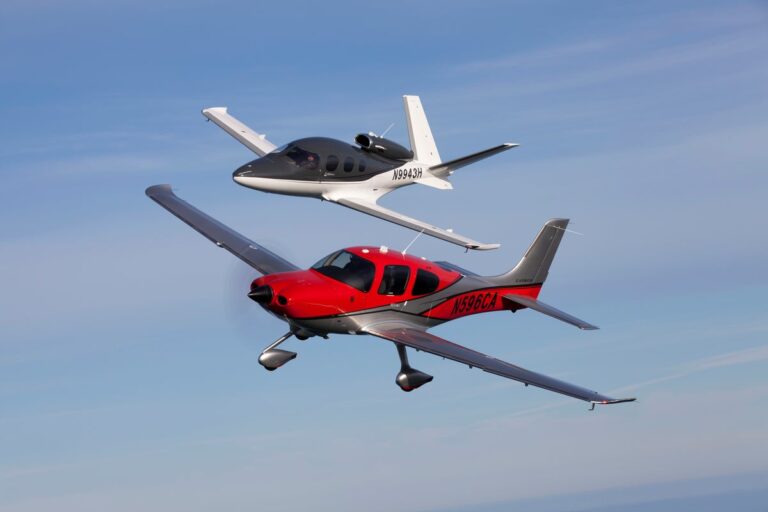
The SR Series G7+ joins a select group of aircraft with Garmin Autoland, previously limited to turbine-powered platforms like Piper’s M600 SLS and M700 Fury, Daher’s TBM 940 and 960, and Cirrus’s own Vision Jet. Since Garmin first announced Autoland in 2019, over 1,000 aircraft have been equipped with the technology.
Bringing Safe Return to the piston fleet represents a democratization of advanced safety technology. As the world’s largest manufacturer of piston aircraft, Cirrus is now offering jet-level emergency protection at a significantly lower price point.
Texas Southern University has already adopted the G7+ for its flight training program, becoming the world’s first university with a fleet equipped with Safe Return Emergency Autoland.
Stay in the loop
Get the latest aircraft insider updates delivered to your inbox.