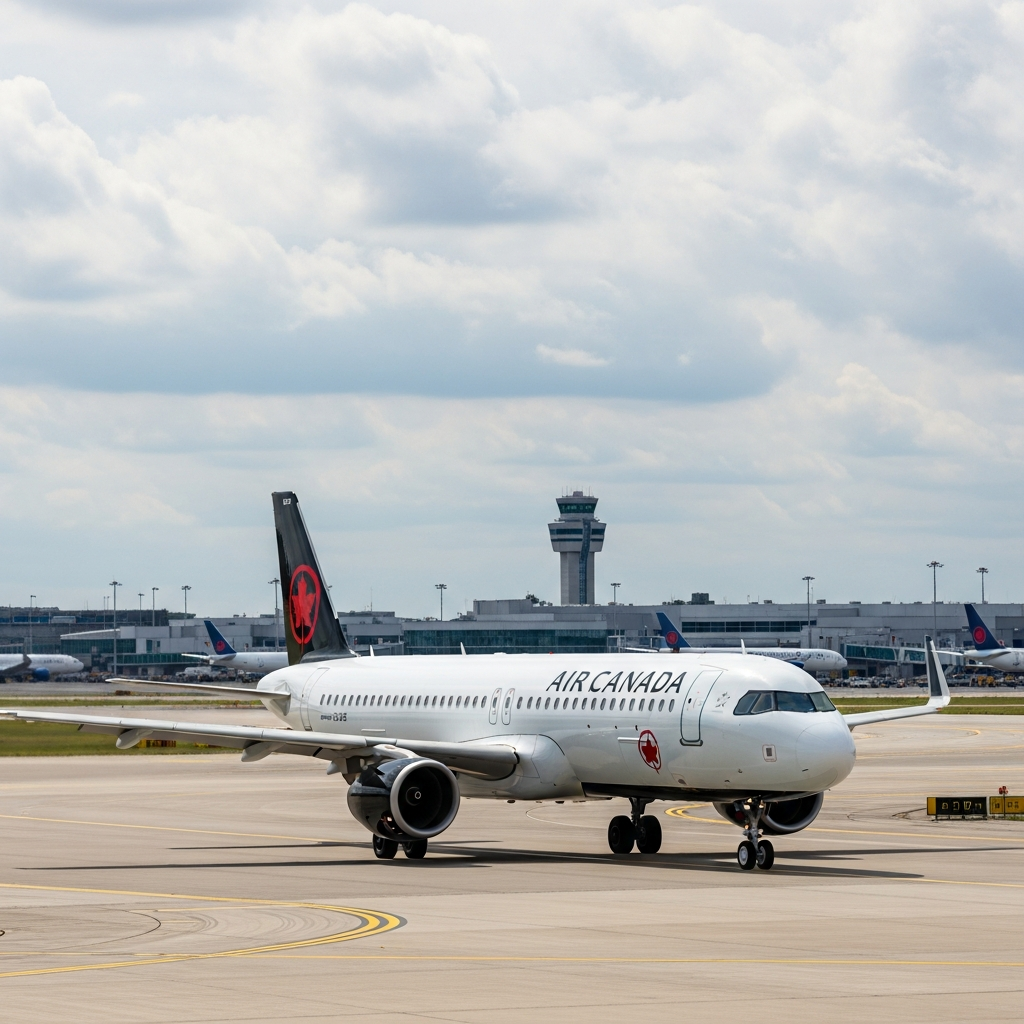
Air Canada took delivery of its first Airbus A321XLR on April 24, 2026, at a ceremony held at Airbus’ Hamburg facility — becoming the first Canadian operator of the extended-range narrowbody and joining a small but rapidly growing group of carriers reshaping long-haul economics with single-aisle jets.
The aircraft, registered C-GXLR, is the first of 15 A321XLRs leased from SMBC Aviation Capital. A further 15 will be acquired directly from Airbus, bringing the firm order total to 30, with options on 10 more between 2030 and 2032. All 30 aircraft will be powered by Pratt & Whitney PW1100G geared turbofan engines.
A Narrowbody That Flies Like a Widebody
The A321XLR’s headline numbers are hard to ignore. Maximum range sits at 4,700 nautical miles, and Airbus claims a 30% reduction in fuel burn per seat compared with previous-generation competitor aircraft — figures that make routes previously considered uneconomical for narrowbodies genuinely viable.
Air Canada’s previous smallest long-haul platform was the Airbus A330. Stepping down to a single-aisle jet for transatlantic flying is a meaningful strategic shift, not an incremental one.
The cabin is configured for 182 seats across two classes: 14 Signature Class full-flat beds in a 1-1 configuration and 168 Economy seats. It’s the first narrowbody in Air Canada’s fleet to offer lie-flat seating — a distinction worth noting for passengers accustomed to widebody comfort on long routes. The cabin also debuts Air Canada’s new “Glowing Hearted” interior standard, built around the Airbus Airspace platform. Features include Bluetooth-enabled IFE with larger screens, personal device power at every seat, complimentary Wi-Fi for Aeroplan members, advanced ambient lighting, and XL overhead bins offering 60% more storage than previous-generation Airbus narrowbodies. Cabin finishes draw from the Canadian landscape — a deliberate design choice rather than an afterthought.
Quotes from the Delivery Ceremony
“Air Canada is building one of the most modern and capable fleets in the industry. The Airbus A321XLR introduces a dynamic new component to Air Canada’s growth strategy, greatly expanding our flexibility to launch new international routes and improve our offering on existing markets. Equipped with a quieter, more comfortable cabin when compared to previous generation aircraft, this game-changing aircraft will shortly be deployed across the Atlantic from Montréal and Toronto, while also becoming a staple on key North American transcontinental markets.” — Mark Galardo, EVP & Chief Commercial Officer, Air Canada
“By combining transatlantic range with a significant reduction in fuel burn and CO2 emissions, the A321XLR will further empower Air Canada to unlock ambitious new routes with unprecedented efficiency. We are very proud to see our latest-designed aircraft take flight under the iconic maple leaf.” — Benoît de Saint-Exupéry, EVP Sales, Airbus Commercial Aircraft
“SMBC Aviation Capital is delighted to deliver the first of 15 A321XLR aircraft to Air Canada. The A321XLR will elevate the customer experience through enhanced comfort and service, while delivering the efficiency and operational flexibility required to support Air Canada’s continued global expansion.” — Barry Flannery, Chief Commercial Officer, SMBC Aviation Capital
Route Network — What’s Confirmed
The rollout has shifted more than once. Palma de Mallorca was originally named the A321XLR launch destination in September 2025. In October, Air Canada revealed the aircraft would serve Toulouse, Dublin, and Edinburgh from Montréal. Both Dublin and Edinburgh were cut in a January 2026 revision. Based on current Cirium schedule data, Montréal–Toulouse now takes the opening slot, beginning in July 2026.
From Toronto, four routes are currently planned: London Heathrow (daily, from August 31), Copenhagen (three weekly, from October 27), Manchester (four weekly, from October 25), and Tenerife South (two weekly, from October 25). That last one comes with some context — United Airlines shuttered its Newark–Tenerife South service in May 2025 after the market proved difficult. Air Canada will be watching demand there carefully.
From Montréal, planned destinations include Berlin, Calgary, Los Angeles, Lyon, Nantes, Palma de Mallorca, Porto, Toulouse, and Vancouver. Future expansion from Ottawa and Halifax is expected as the fleet grows.
Entry into service remains subject to Transport Canada certification, which had not yet been confirmed as of delivery day.
Bigger Fleet Picture
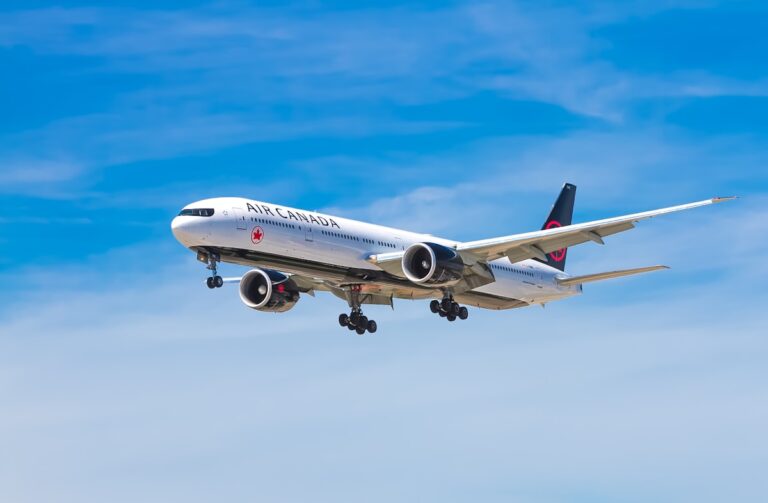
The A321XLR delivery is one piece of a broader Air Canada fleet overhaul. The carrier has 14 Boeing 787-10 Dreamliners on order — first deliveries expected later in 2026 — along with eight Airbus A350-1000s ordered in November/December 2025 for delivery from 2030, and 23 A220s remaining on a firm order of 65.
Globally, A321XLR orders passed 500 aircraft at the end of March 2026. That number reflects how quickly the industry has moved to embrace the type’s economics — and how much pressure it puts on carriers still relying on widebodies for thinner long-haul routes.
With the first aircraft now in hand and a summer transatlantic schedule taking shape, load factors on these routes will tell the real story. The commercial case for the XLR gets proven — or challenged — the moment passengers start booking.
Stay in the loop
Get the latest aircraft insider updates delivered to your inbox.