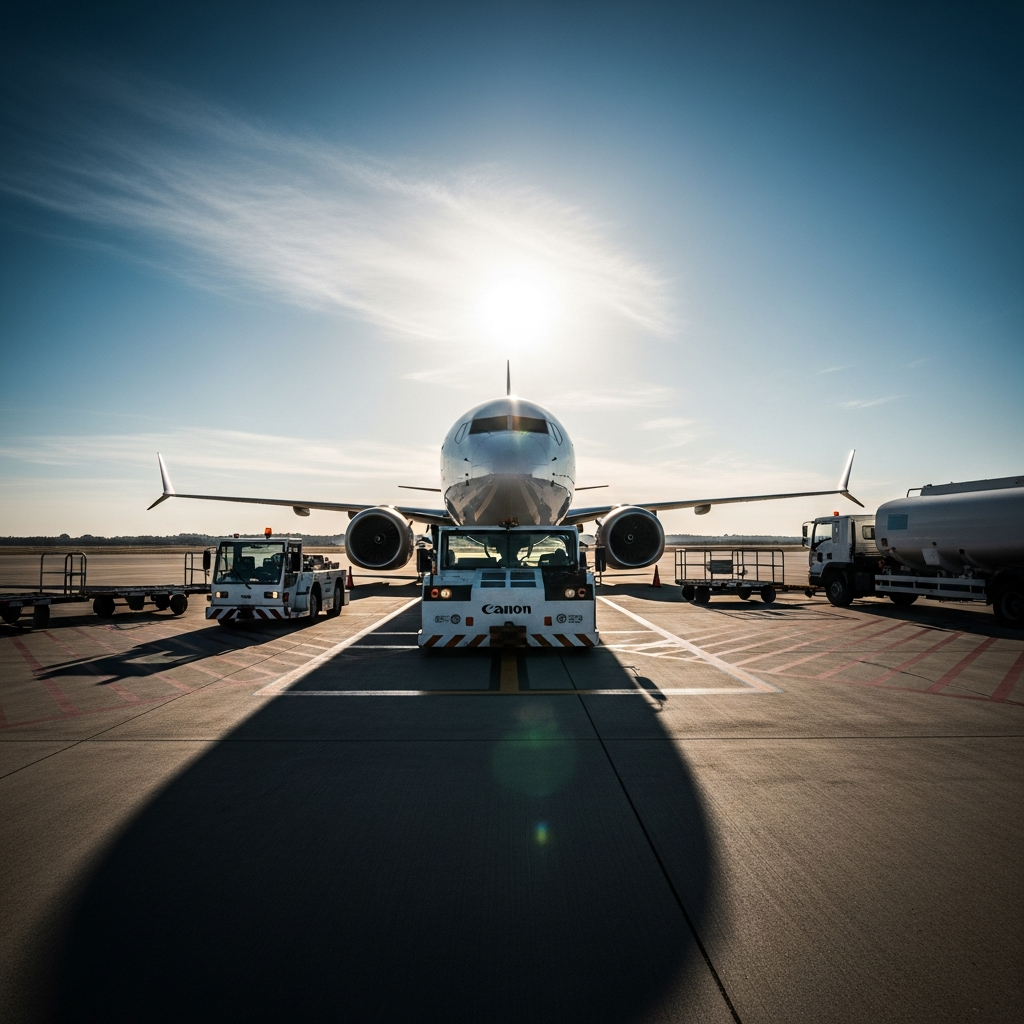
The Federal Aviation Administration says there’s nothing standing in the way of Boeing 737 MAX 7 and MAX 10 certification in 2026. The green light clears the path for Southwest Airlines to begin operations with the MAX 7 by Q1 2027 and unlocks delivery of over 1,700 aircraft currently sitting on the global backlog.
FAA Administrator Bryan Bedford said in April 2026 that the agency has not identified any issues that would prevent Boeing from securing certification. On May 27, 2026, Bedford stated that the agency expects to certify the MAX 7 this summer—targeting August 2026—with MAX 10 approval likely before year-end. It’s a decisive signal that marks a turning point after nearly a decade of delays stemming from the 2018–2019 MAX crashes that killed 346 people.
Southwest Airlines CEO Bob Jordan confirmed the airline expects FAA approval by August 2026, with initial operations beginning in Q1 2027. The carrier holds approximately 90 percent of all MAX 7 orders globally—289 firm aircraft—making it the dominant force in the program’s commercial viability. For Southwest, the MAX 7 represents critical capacity relief across major hubs, particularly Dallas Love Field, where slot constraints have limited growth.
Boeing CEO Kelly Ortberg reported on May 27 that roughly 80 percent of certification flight testing is complete for both variants. “There’s clearly light at the end of the tunnel here,” Ortberg told investors at the Bernstein Conference. “We don’t need any more Type Inspection Authorization approvals from the FAA. It’s just a matter of getting through that flight-test programme, and we’re clicking them off as we speak.”
Technical Hurdles Finally Resolved
Getting to this point meant solving critical design problems. The biggest challenge—a faulty engine anti-ice system that could cause CFM International LEAP-1B engine inlet barrels to overheat and fail—has been redesigned and tested. Boeing first disclosed the defect in 2023, but finishing the revised system cleared a major technical barrier.
The MAX 10 brought its own complications. Its 43.8-meter fuselage is 1.6 meters longer than the MAX 9, requiring a redesigned semi-levered landing gear with a 241-millimeter extension upon rotation to prevent tail strikes during takeoff. Boeing solved this through a shrink-link mechanism—an innovative approach that allows the main gear to retract within existing wheel wells.
Both variants now have an updated crew alerting system (EICAS) with a synthetic third angle-of-attack reference. Congress mandated this change following the Lion Air and Ethiopian Airlines crashes. The redundancy helps pilots detect faulty sensor data and suppress stall warnings in specific abnormal scenarios.
The Backlog Waiting to Move
Over 1,700 aircraft remain on Boeing’s backlog. Southwest isn’t the only carrier waiting. Ryanair holds 150 firm MAX 10 orders plus 150 options, with CEO Michael O’Leary expecting deliveries to begin in spring 2027. Other carriers including WestJet are also positioned to receive MAX 10 aircraft, targeting late 2026 or early 2027 entry into service.
FAA approval also clears the way for Boeing to ramp production from 42 to 47 aircraft per month, accelerating further to 52 monthly jets in early 2027. The company is adding a fourth 737 production line at Everett, Washington. Bedford gave his blessing to the increase, noting: “It’s important for the country that Boeing is successful.”
With 80 percent of flight testing complete and no outstanding technical obstacles identified by regulators, the MAX 7 and MAX 10 certifications represent the final major certification gap in Boeing’s narrow-body portfolio. Approval before year-end 2026 would reshape single-aisle fleet modernization across the industry, allowing operators to retire aging 737 Next Generation and A320 family aircraft three years ahead of original schedules.
Stay in the loop
Get the latest aircraft insider updates delivered to your inbox.