
Historic Bowman Field: Louisville’s Living Aviation Museum
As someone who has landed at a fair number of general aviation airports across the country, I learned that most of them look and feel interchangeable — asphalt, a windsock, a tired FBO with a coffee pot that hasn’t been cleaned since Clinton was president. Bowman Field in Louisville, Kentucky is different. Walking across its ramp for the first time, surrounded by Art Deco hangars and buildings that date back to the 1930s, you realize you’re operating in a place that actually remembers where it came from. Today, I’ll share everything I know about it.

Bowman Field in the Early Days
The field was established in 1920 — which means it predates most of the people reading this article by several decades — and named after Abram H. Bowman, a local businessman who donated the land. That’s what makes Bowman Field so endearing to aviation historians: it wasn’t built by a federal agency or a corporate developer. It started because one person in Louisville thought aviation mattered and put land behind the belief.
Barnstormers flew in during those first years, drawing crowds who had never seen a powered aircraft up close. By the late 1920s, it was a stop on airmail routes connecting Louisville to Chicago and other major cities. The flat terrain and clear approaches made it well-suited for operations when navigation meant following rivers and railroad tracks.
World War II and the Military Years
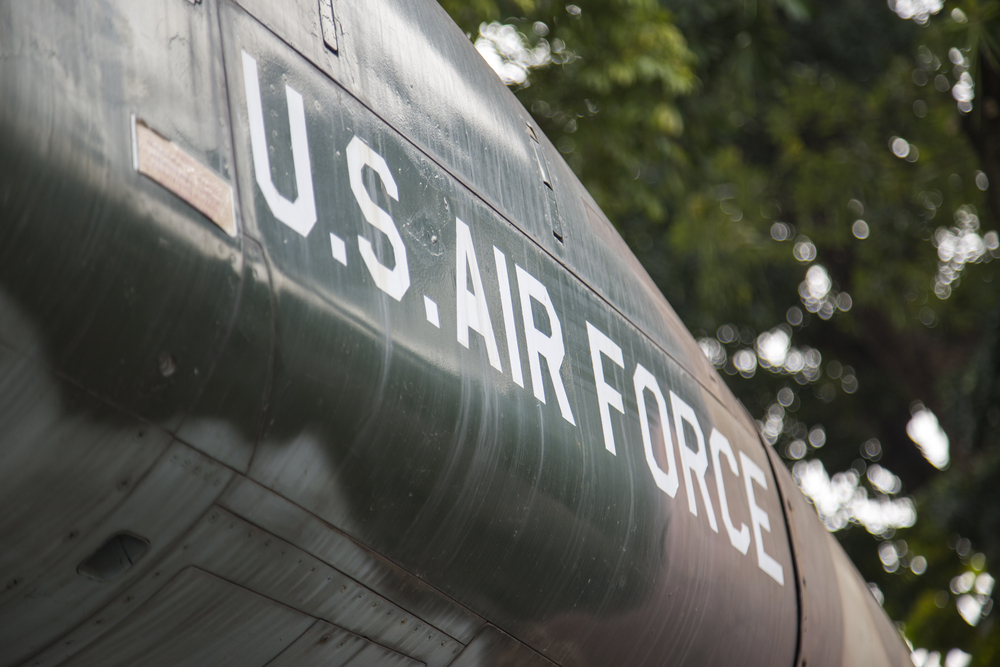
The U.S. Army Air Forces took over Bowman Field during World War II and transformed it into a training hub for the 61st Troop Carrier Group. Probably should have led with this, honestly: a lot of the buildings you can still walk through today were built during that wartime expansion. The original hangars, the administrative structures, the barracks — they’re still there, still in use, still carrying that particular weight that old buildings carry when enough serious things happened inside them.
Pilots trained at Bowman before shipping out to theaters in Europe and the Pacific. The field that started with barnstormers became a place where young men learned skills that would determine whether they came home.
Post-War Commercial Operations
After the war, Bowman Field returned to commercial service. Eastern Air Lines and American Airlines established routes through Louisville in the 1950s and 1960s, and the field became a legitimate regional hub. New terminals went up, passenger volumes grew, and for a period Louisville’s aviation future ran through Bowman.
That changed when Standiford Field — now Louisville Muhammad Ali International Airport — took over commercial traffic. Rather than becoming irrelevant, Bowman pivoted to general aviation, which is where it’s operated ever since. Turns out that decision preserved something valuable: a working airport that also functions as a living museum.
The Historic Preservation Story
Bowman Field is on the National Register of Historic Places, and in 2010 it was proposed for UNESCO World Heritage List inclusion. That proposal highlighted something obvious to anyone who has spent time there: the original Art Deco Administration Building from the 1930s, the WWII-era hangars, the general layout of the field — these things don’t exist at most airports because most airports were bulldozed and rebuilt as traffic grew. Bowman’s shift to general aviation actually saved its character.
The Administration Building houses a museum documenting the field’s history. It’s worth an hour if you find yourself in Louisville and care about where aviation came from.
Modern Operations
Today Bowman Field operates two runways — 6-24 and 15-33 — and handles everything from small trainers to corporate jets. The Louisville Regional Airport Authority manages it. Flight training schools operate here. Corporate tenants use the hangars. The field hosts aviation events that draw enthusiasts from around the region, including an annual Aviation Heritage Festival featuring vintage aircraft and flight demonstrations.
I’m apparently someone who finds operational general aviation airports with genuine history more interesting than polished museums, and Bowman works for me in a way that a static display never quite does. Watching a student pilot work through pattern work on the same runways where WWII crews trained has a specific quality to it.
Community and Educational Role

Bowman Field partners with local colleges on internship and training programs for students pursuing aviation careers. Schools bring groups through for tours. The annual festival functions as a public education event as much as an airshow — the goal seems to be connecting people to aviation history in a place where that history is still active, not archived.
That’s what makes Bowman endearing to those of us who care about general aviation: it hasn’t become a monument to what aviation used to be. It’s still doing aviation, just with a century of context underneath it.
Economic Contribution
The field contributes to the local economy through direct employment — pilots, mechanics, administrative staff, FBO personnel — and indirectly through corporate aviation. Executives and businesses in the Louisville area rely on Bowman for convenient regional travel that avoids the commercial airport entirely. That economic role justifies continued investment in infrastructure and preservation simultaneously.
The Future
Plans include terminal and hangar upgrades to handle growing general aviation and corporate demand. Preservation of historic structures remains a stated priority. The challenge — familiar to anyone managing historic aviation infrastructure — is accommodating modern operations without erasing what makes the place worth preserving in the first place.
Bowman Field has managed that balance for over a century. The Art Deco buildings are still standing. The runways are still active. The history and the present coexist at a working airport in Louisville, which is rarer than it should be.
Related Articles
Continue exploring:




Stay in the loop
Get the latest wildlife research and conservation news delivered to your inbox.