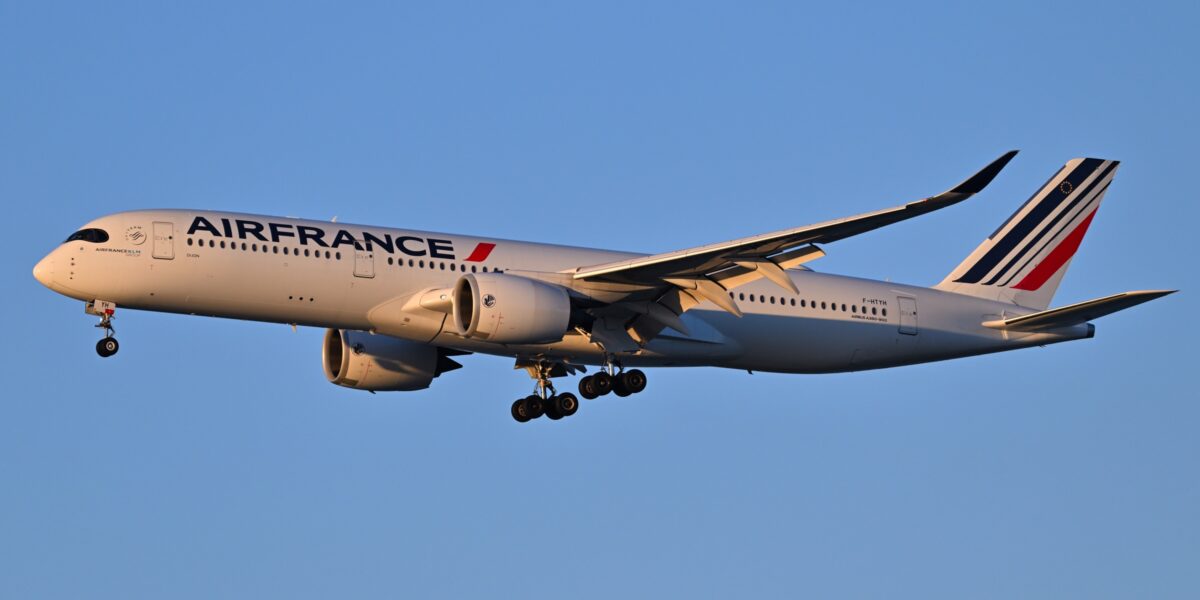
A New Flagship Takes Flight
On December 20, 2025, Philippine Airlines made aviation history when its first Airbus A350-1000 touched down in Manila. The arrival of registration RP-C3512 marks the beginning of a new chapter for the Philippines’ flag carrier, bringing cutting-edge widebody technology to one of Southeast Asia’s most important airlines.

The A350-1000 represents the largest and most advanced aircraft in Philippine Airlines’ fleet, capable of operating ultra-long-haul routes that will connect Manila directly to destinations previously requiring stops or connections.
Why the A350-1000 Matters
The A350-1000 is the stretched version of Airbus’s newest widebody family, offering approximately 40% more cabin space than the A350-900. For Philippine Airlines, this translates into more seats, more cargo capacity, and more revenue potential on key routes.
Key specifications that matter for passengers:
- Range: Up to 8,700 nautical miles – enough to fly Manila to New York nonstop
- Fuel efficiency: 25% lower fuel consumption than previous-generation widebodies
- Cabin pressure: Equivalent to 6,000 feet altitude vs. 8,000 feet on older jets
- Humidity: Higher cabin humidity reduces the jet lag effect
- Noise: Significantly quieter cabin thanks to composite construction
These aren’t just marketing points – passengers genuinely arrive feeling better after long flights on A350s compared to older aircraft types.
Philippine Airlines’ Long-Haul Strategy
The arrival of the A350-1000 fits into Philippine Airlines’ strategy to rebuild and expand its international network. The airline has been through significant restructuring in recent years, emerging leaner and more focused on profitable routes.
The A350-1000 will likely operate on the airline’s most demanding routes, including:
- Manila to New York (JFK) – one of the longest routes in the airline’s network
- Manila to London – connecting the Philippines to Europe
- Manila to Los Angeles – serving the large Filipino-American community
- Seasonal high-demand routes during peak travel periods
Fleet Modernization Context
Philippine Airlines has been renewing its fleet over the past decade, replacing older aircraft with newer, more efficient types. The A350-1000 joins A350-900s already in service, creating operational synergies in training and maintenance.
The airline also operates Boeing 777-300ERs on long-haul routes, though these older aircraft will eventually phase out in favor of A350 variants.
Competition in the Philippine Market
Philippine Airlines faces growing competition, particularly from Cebu Pacific, which has been expanding its international presence. The premium focus of the A350-1000 helps differentiate Philippine Airlines as the full-service option for long-haul travel.
The Bottom Line
The A350-1000’s arrival marks a significant milestone for Philippine Airlines and for Philippine aviation generally. Having one of the world’s most capable passenger aircraft in the national carrier’s fleet opens new route possibilities and elevates the passenger experience on existing routes.
For Filipino travelers, this means more comfortable journeys on demanding long-haul flights. For Philippine Airlines, it means the equipment to compete with the best carriers in Asia and beyond.



Leave a Reply