Air Transportation: The Backbone of Modern Travel and Trade
Understanding how global transportation works has gotten complicated with all the logistics and statistics flying around. As someone who has studied the aviation industry for years and spent enough hours in terminals to develop strong opinions about everything from gate layouts to boarding procedures, I learned what actually makes air transportation essential to modern commerce and daily life. Today, I will share that understanding.
The Evolution of Air Transportation
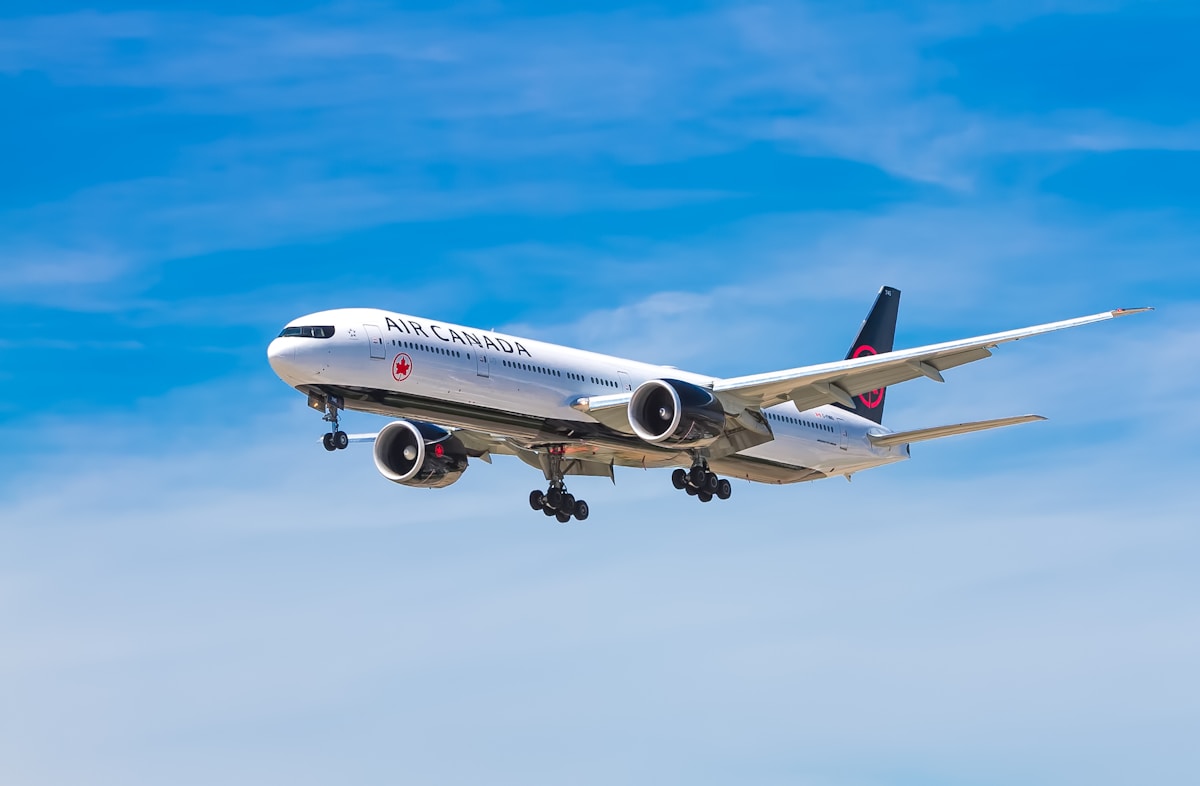
The Wright brothers achieved first powered flight in December 1903 at Kitty Hawk — 12 seconds in the air covering 120 feet. Twenty years later, commercial passenger service had started. Another 30 years and jets like the Boeing 707 transformed what was still a novelty into a mass-market industry. Today, models like the Airbus A380 and Boeing 787 move hundreds of millions of passengers annually across routes that previous generations would have considered impossible. Carbon-fiber composites and improved aerodynamics continue pushing the technology forward. That’s a century of progress that’s easy to take for granted until you stop and actually think about it.
Infrastructure
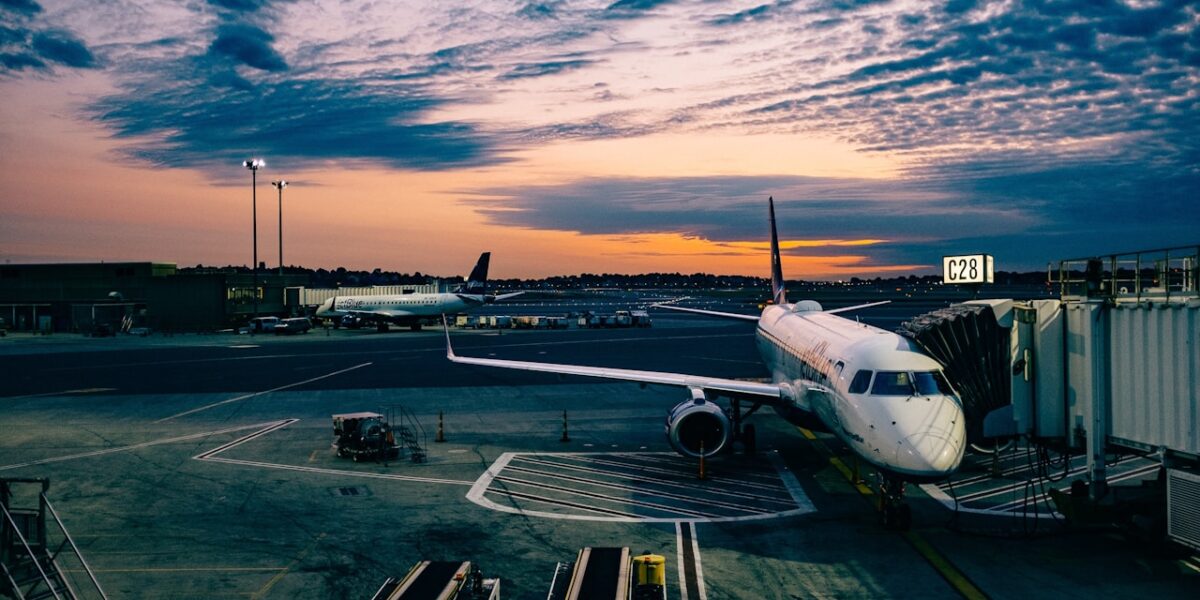
Airports serve as central hubs with runways, taxiways, terminals, control towers, and hangars. Air traffic control coordinates takeoffs, landings, and navigation for safety and efficiency. Ground services keep operations running — fueling, catering, baggage handling, gate assignment. Probably should have led with this, honestly: the infrastructure is what makes commercial aviation possible at scale, and most passengers never think about any of it until something goes wrong.
Types of Aircraft
- Passenger planes like the Boeing 737 and Airbus A320 carry people on short to medium-haul routes
- Cargo planes like the Boeing 747 Freighter transport goods across continents overnight
- Military aircraft perform defense-related missions ranging from reconnaissance to combat
Economic Impact
Air transportation enables fast delivery of perishable goods — fresh flowers from Kenya reaching European markets overnight, seafood from Alaska landing in Tokyo kitchens within hours. The sector creates millions of jobs worldwide, both directly and in the industries that depend on it. Tourism relies heavily on air travel: a well-connected route network can transform a remote destination’s entire economy. Major airports stimulate surrounding area growth in ways that compound over decades. That’s what makes aviation endearing to those of us who study infrastructure — the economic ripple effects extend far beyond what you’d expect.
Environmental Considerations
Aircraft emissions contribute to greenhouse gases. Noise pollution affects communities near airports. The industry responds with fuel-efficient engines, sustainable aviation fuels, and route optimization. The balance between growing demand and sustainability is a genuine tension that the industry hasn’t fully resolved, and anyone claiming otherwise is oversimplifying.
Safety and Security
Air travel is statistically one of the safest transportation modes — safer than driving, safer than trains on most metrics. Technology advances, rigorous training, and layered regulatory frameworks built over decades explain why. Organizations like ICAO and FAA establish and enforce standards that apply globally. Security measures transformed after 9/11, with TSA implementing screening processes that have become a defining feature of modern air travel for better or worse.
Technological Innovations
Modern avionics enhance navigation and communication beyond what previous generations could have imagined. Fly-by-wire systems improve handling characteristics and reduce pilot workload. Airlines use advanced software for operations management that optimizes fuel, routing, and scheduling simultaneously. AI and blockchain are showing early promise in further improvements. Electric and hybrid aircraft represent a realistic path toward reduced fossil fuel dependency — not imminent, but not science fiction either.
The Future
Supersonic jets aim to reduce travel time significantly — companies like Boom Supersonic are closer to commercial operations than most people realize. Urban air mobility explores VTOL aircraft for short urban distances, essentially replacing some helicopter use cases with smaller, quieter, cheaper aircraft. Suborbital point-to-point travel could eventually compress transoceanic routes to under an hour. Advanced AI-based traffic management will handle the increasing density of airspace. Sustainability drives research into alternative fuels that could meaningfully reduce aviation’s environmental footprint. The industry that moved from 12 seconds at Kitty Hawk to 14-hour transpacific flights in a century has earned the benefit of the doubt on what it might accomplish in the next one.
Related Articles
Continue exploring:
- TU-160M: Russias Upgraded Nuclear Bomber Returns to Service
- Discover the Perfect Private Airport Nearby for You
- Star Alliance Membership: Affordable Access to Global Travel


Stay in the loop
Get the latest wildlife research and conservation news delivered to your inbox.