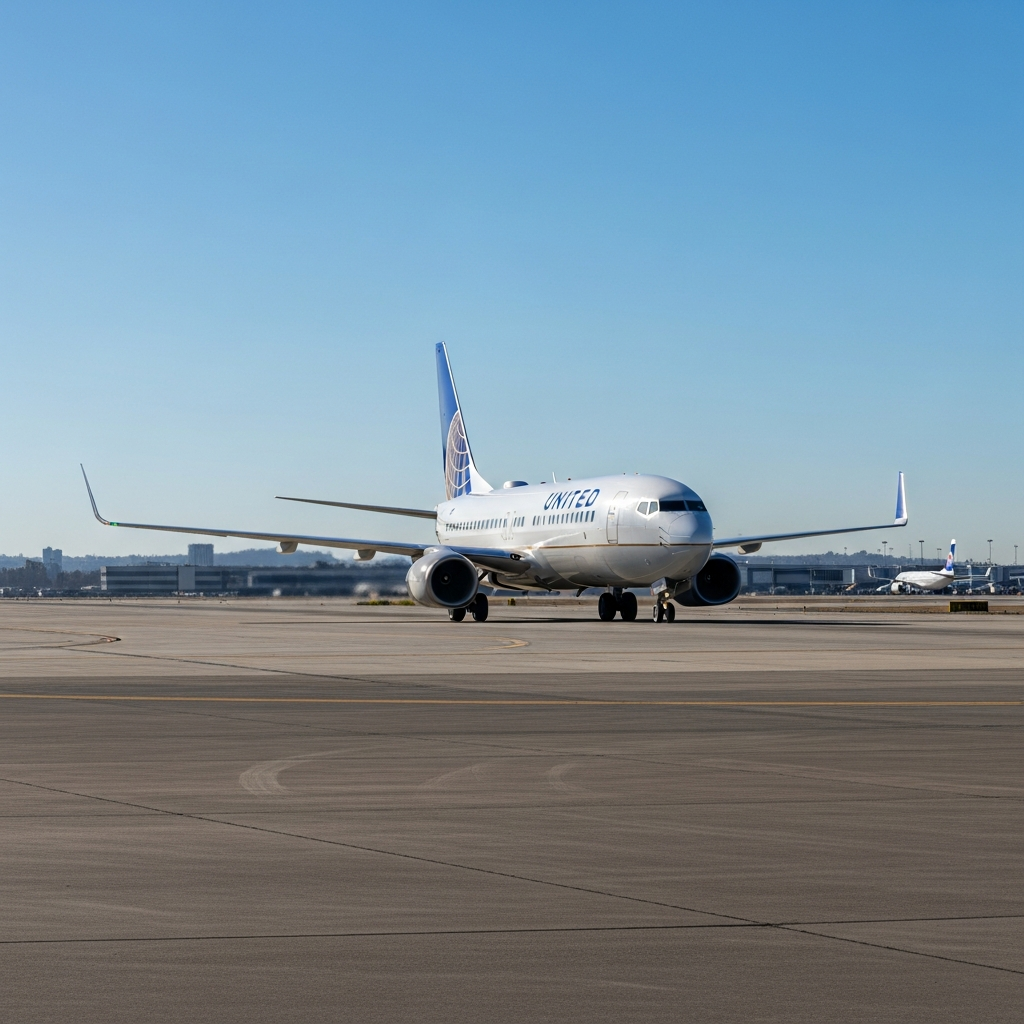
United Airlines CEO Scott Kirby personally pitched a merger with American Airlines to senior U.S. government officials — including President Donald Trump — during a February 25 meeting at the White House. Kirby confirmed it publicly on April 27, 2026, though the story had already become public when CNBC and Aviation News Online first reported it on April 13. The proposed combination would have created the largest airline on the planet. American’s leadership rejected it outright.
CNBC and Aviation News Online first reported the pitch on April 13. It originated at a White House meeting nominally focused on the future of Washington Dulles International Airport — Kirby used the final moments of that session to float the consolidation idea directly to Trump. Within days, rumors had spread widely enough that American Airlines felt compelled to issue a formal denial.
American Slams the Door
American didn’t wait for Kirby to confirm anything. On April 17, the carrier issued a blunt public statement declaring it was “not engaged with or interested in any discussions regarding a merger with United Airlines.” It went further, calling a potential combination “negative for competition and for consumers” and explicitly framing it as inconsistent with the Trump administration’s own antitrust philosophy.
CEO Robert Isom followed with public remarks describing the proposed deal as “anticompetitive” and “bad for customers.” Trump told CNBC he shares that view: “I don’t like having them merge.”
What Kirby Actually Proposed
Once American closed the door publicly, Kirby chose transparency. In an April 27 press release, he laid out his rationale in unusual detail for a deal that never formally began:
“I approached American about exploring a combination because I thought we could do something incredible for customers together. I always knew that the only way any merger could be successful — and approved — is if it was great for customers and with a willing partner that shared my big, bold vision.”
Kirby argued this merger would have been structurally different from prior consolidations — built around growth rather than cutting capacity from a bankrupt carrier. He acknowledged route divestitures would have been required but believed regulators would have approved the deal on its merits. With American unwilling to engage, he declared the pursuit over.
The Scale of What Was on the Table
The numbers alone explain why this story stopped the industry cold. A United-American combination would have assembled a fleet exceeding 2,800 aircraft — more than double the next-largest carrier globally — and served an estimated 405 million passengers annually. The merged airline would have controlled roughly 40% of U.S. capacity on a seat-miles basis, with dominant positions at some of the country’s most congested airports: 46% of capacity in Los Angeles, 45% across the three New York-area airports, and 70% of capacity at Chicago O’Hare and Midway combined.
TD Cowen analyst Tom Fitzgerald identified 289 individual routes where the two carriers currently overlap — each one a potential divestiture flashpoint in any regulatory review.
Antitrust Wall Is Steep
Legal experts across the spectrum called the deal a near-impossibility under any administration. William Kovacic, director of the competition law center at George Washington University, said no divestiture package could fix the hub overlaps, and warned that state attorneys general and foreign regulators would independently move to block it even if the DOJ stood aside.
Seaport Research Partners analyst Daniel McKenzie was more direct, calling it “dead on arrival, though politely reviewed until the public backlash became too deafening.”
Transportation Secretary Sean Duffy took a more open posture. “Is there room for some mergers in the aviation industry? Yeah, I think there is,” he said — but declined to pre-commit and noted any large-carrier merger would require asset divestitures.
An Unexpected Voice of Support
The most surprising endorsement came from inside American itself. On May 4, Allied Pilots Association President Nick Silva wrote to American’s pilot membership calling Kirby’s vision “bold” and potentially “transformative for our passengers, the communities we serve, and, foremost, the very people at American that our C-suite has chosen to disrespect: you.” It was a pointed rebuke of Isom’s management from within his own workforce.
What to Watch
No term sheet exists. No formal process is underway. But Kirby’s decision to go public with the full pitch — rather than let the story die quietly — keeps pressure on American’s board and leadership at a moment when the carrier is already navigating financial and operational headwinds. A bipartisan Senate probe launched April 19 by Senators Elizabeth Warren and Mike Lee signals that Capitol Hill intends to stay involved if the conversation resurfaces. Any movement from American’s board, or renewed regulatory signaling from the DOJ, bears watching.
Sources
- CNBC — Airlines Coverage
- Aviation News Online
- Bloomberg — United-American Merger Report (April 13, 2026)
- Reuters — Allied Pilots Association Statement (May 4, 2026)
- CBS News — APA Spokesperson Captain Dennis Tajer
- Skift — Airline Industry Analysis
- Aviation Week — Merger Context and Fleet Data
- The Hill — Senate Probe Coverage

Stay in the loop
Get the latest aircraft insider updates delivered to your inbox.