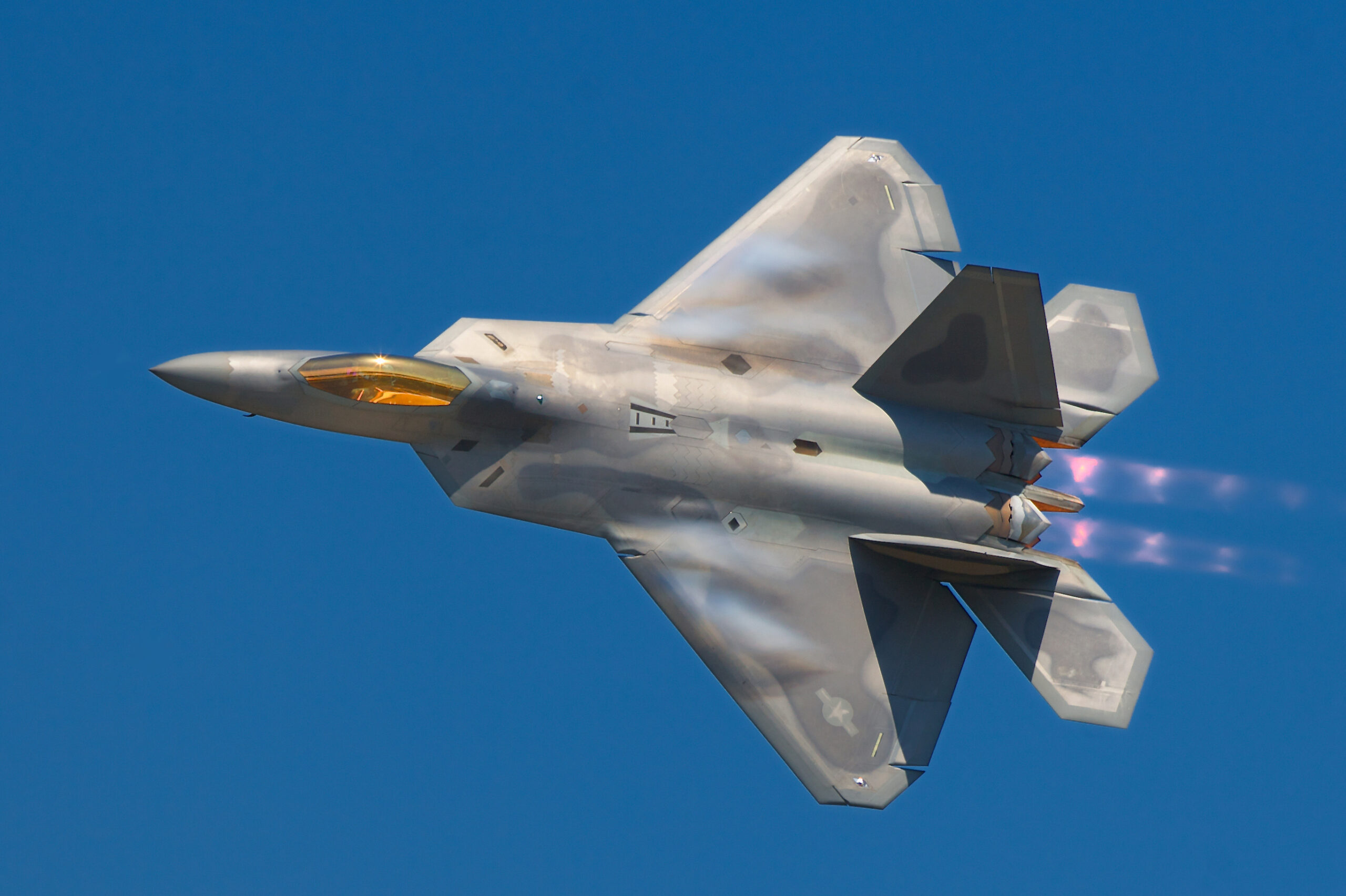
Kaan Fighter: Turkey’s Ambitious Fifth-Generation Combat Aircraft
I remember when Turkey first announced they were developing an indigenous fifth-generation fighter. A lot of industry observers were skeptical, myself included. Building a modern stealth fighter from scratch is one of the most complex engineering challenges on the planet. Only a handful of countries have ever managed it. But here we are, with the KAAN (formerly known as TF-X) making its first flight and proving the skeptics at least partially wrong.

Origins and Development
The KAAN program grew out of necessity as much as ambition. After Turkey was ejected from the F-35 program over the S-400 purchase, developing a domestic alternative became a matter of national priority. Turkish Aerospace Industries (TAI) took the lead, working with domestic and some international partners.
The aircraft draws influence from several successful designs. You can see echoes of the F-22 in the twin-engine configuration and the general shaping. That’s not unusual in aircraft development. Everyone learns from what works. The KAAN is designed as an air superiority fighter with multi-role capabilities, able to handle both air-to-air and air-to-ground missions.
Technical Specifications
Probably should have led with this, honestly, but here’s what we know about the aircraft’s capabilities:
- Engines: Currently flying with General Electric F110 engines, with plans to eventually use a domestically developed powerplant
- Stealth Features: Internal weapons bays, radar-absorbing materials, carefully shaped surfaces to minimize radar cross-section
- Avionics: AESA radar, advanced electronic warfare systems, sensor fusion
- Weapons: Air-to-air missiles, precision-guided munitions, potentially standoff weapons
The reliance on American engines is a vulnerability that Turkish officials openly acknowledge. Developing a high-performance jet engine is arguably harder than designing the airframe, and Turkey is still years away from a domestic alternative.
Training and Development Pipeline
As someone who follows military aviation programs, what strikes me about the KAAN is how Turkey is building the entire ecosystem around it. Test pilots are being trained, maintenance infrastructure is being developed, and domestic supply chains are being established.
Pilot Training
Turkish Air Force pilots have been involved in the program from early stages. Simulator training began well before the first flight, allowing pilots to familiarize themselves with systems and handling characteristics. This parallel development approach is smart: when the aircraft enters service, there will already be qualified pilots ready to fly it.
Ground Crew Preparation
Maintaining a stealth fighter requires specialized knowledge and equipment. Turkey is investing in training programs and facilities to support KAAN operations. That’s what makes indigenous programs endearing to defense planners: you control the entire support chain.
Strategic Implications
The KAAN represents Turkey’s bid to join the exclusive club of nations capable of producing advanced combat aircraft. The strategic implications go beyond having a capable fighter.
Export Potential
Turkey clearly has export markets in mind. Countries that can’t buy American stealth fighters, or don’t want to, might find the KAAN attractive. Pakistan, Malaysia, and several Middle Eastern nations have been mentioned as potential customers.
Regional Balance
A Turkish fifth-generation fighter changes the regional military balance. Greece, which flies F-35s, will need to factor KAAN into its planning. The same goes for other regional powers.
Technology Transfer
Perhaps more importantly, the KAAN program is building Turkish aerospace capabilities that will pay dividends for decades. Engineers working on this project will carry that knowledge into future programs.
Challenges Ahead
Let’s be realistic about the hurdles that remain. First flights are exciting, but they’re just the beginning of a long development process.
Engine Development
The domestic engine program is critical. Turkey can’t build a truly independent fighter while relying on foreign engines that could be embargoed. The timeline for a domestic powerplant keeps slipping, which is concerning.
Avionics Integration
Getting all the sensors and systems to work together seamlessly takes years of testing and refinement. The F-35 program struggled with software integration for over a decade. Turkey will face similar challenges.
Cost Overruns
Every major fighter program in history has exceeded its initial budget. The KAAN will likely be no exception. Whether Turkish political will can sustain funding through inevitable setbacks remains to be seen.
Comparison with Competitors
How does the KAAN stack up against other fifth-generation fighters? It’s early to make definitive judgments, but some comparisons are possible:
- F-35: More mature, better sensors, but single-engine and more maintenance-intensive
- Su-57: Larger, possibly longer range, but questions about its stealth characteristics
- J-20: Optimized for long-range intercepts, larger than KAAN
- KF-21: South Korea’s program is at a similar development stage, making for interesting parallels
The Future of the Program
The KAAN program represents a long-term commitment. Turkey is planning for initial operational capability by 2028-2030, though such timelines often slip. Full-rate production and a mature aircraft are probably a decade away.
What’s clear is that Turkey is serious about this. The investment is substantial, the institutional commitment is strong, and the strategic logic is sound. Whether they can execute on that vision is the question that only time will answer.
For aviation enthusiasts and defense watchers, the KAAN is one of the most interesting programs to follow. It’s rare to watch a country attempt this level of aerospace ambition, and however it turns out, the effort itself is remarkable.
Related Articles
Continue exploring:
Stay in the loop
Get the latest aircraft insider updates delivered to your inbox.