
MRO Aviation: How Aircraft Actually Get Maintained
As someone who spent a summer interning at an MRO facility — which sounds glamorous and mostly involved a lot of time in hangars that were simultaneously too hot and too loud — I learned that Maintenance, Repair, and Overhaul is both less complicated than the acronym suggests and far more extensive than most passengers ever think about. Today I’ll share what actually happens when an aircraft goes in for service.
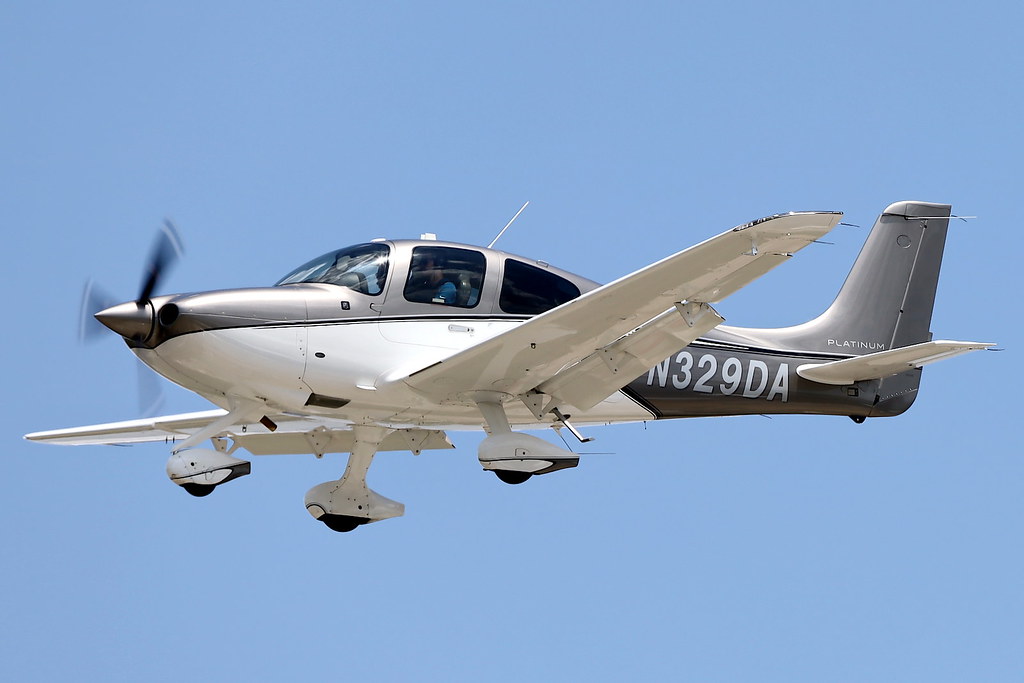
Probably should have led with this, honestly: every commercial aircraft you’ve ever flown on has been through MRO processes. The check intervals are mandated by aviation authorities and the manufacturers’ maintenance programs. There is no airline that skips this. The question isn’t whether MRO happens but whether it’s done well.
What MRO Actually Covers
MRO encompasses four types of work on a continuous cycle. Routine inspections happen on set schedules — daily walkarounds, transit checks between flights, and progressively heavier letter checks (A, B, C, D) that happen at intervals ranging from a few weeks to several years depending on the check type. Line maintenance keeps aircraft airworthy between scheduled heavy events. Component overhaul covers the individual parts — engines, landing gear, avionics — that require periodic teardown and rebuilding. Heavy maintenance is the deep work: structural inspections, major modifications, interior refurbishments.
That’s what makes MRO so central to aviation safety: it’s not reactive. The system is designed to find problems before they become failures, not after. That’s why there are so many scheduled inspection intervals and why they’re tracked to the flight hour and cycle.
The Regulatory Framework
FAA in the United States and EASA in Europe set the mandatory maintenance requirements. Airlines must follow both the regulatory requirements and the aircraft manufacturer’s maintenance program — and where those two disagree, the more stringent applies. Only certified MRO facilities can perform certain work, and that certification requires maintaining documented standards for equipment, personnel, and processes.
Continuing airworthiness is the ongoing obligation: not just maintaining an aircraft to airworthy condition once, but keeping it there through software updates, structural inspections, service bulletins, and airworthiness directives. An airworthiness directive from the FAA is mandatory, not optional. Operators who ignore them face certificate action.
Technology Changing the Business
Predictive maintenance is probably the most significant current shift. Sensors on modern aircraft collect continuous data on engine performance, structural loads, system pressures, and hundreds of other parameters. Algorithms analyze that data to identify components trending toward failure before they actually fail. The goal is replacing a component at the optimal time — not too early (wasteful) and not after failure (dangerous).
Digital twins are virtual replicas of specific aircraft or components that can be run through simulated operating conditions to predict behavior. Rather than waiting to inspect a physical component for wear, engineers can model what that component should look like given its history and flag it for inspection when the model suggests degradation is approaching limits.
Automated inspection systems — drones equipped with high-resolution cameras, robotic crawlers for interior inspection — are reducing the time and cost of certain inspection tasks while improving consistency. A drone can inspect a fuselage exterior faster than a human crew on scaffolding and can produce standardized photographic documentation for every square foot.
The Economics
Airlines spend 10-15% of their operating costs on maintenance. For a large carrier operating hundreds of aircraft, that’s a billion-dollar annual expense. The economic argument for predictive maintenance and digital twins isn’t theoretical: every hour an aircraft isn’t flying is revenue lost, and every unplanned maintenance event costs more than a planned one. MRO efficiency directly affects airline profitability.
The global MRO market is over $80 billion annually. That supports hundreds of thousands of jobs for technicians, engineers, logistics professionals, and quality inspectors. It’s a significant industry in its own right, not just a cost center for airlines.
Sustainability Pressures
MRO operations generate waste — chemicals, fluids, worn components — and consume significant energy. The industry is under pressure to reduce that footprint. Eco-friendly cleaning agents are replacing older chemical processes. Energy-efficient lighting and heating in hangars reduces facility emissions. Proper waste stream management for aircraft fluids and composites addresses disposal concerns. These aren’t just regulatory compliance efforts — airlines with sustainability commitments are increasingly requiring their MRO providers to demonstrate environmental management practices.
The Workforce Challenge
Aviation maintenance technician shortages are a documented and growing problem. Retiring baby boomers are leaving the workforce faster than training pipelines are replacing them. Aircraft are becoming more complex, requiring more specialized skills. The industry is working on this — apprenticeship programs, community college partnerships, veteran transition programs — but it’s a constraint on how fast MRO capacity can grow alongside airline fleets.
Related Articles
Continue exploring:

Stay in the loop
Get the latest aircraft insider updates delivered to your inbox.