
Direct Flights to Rome from the US
I remember the first time I flew to Rome from the States, I made the rookie mistake of booking a connection through Frankfurt. Never again. After spending three hours in a cramped terminal wondering if my luggage would make the same journey I did (spoiler: it didn’t), I learned that direct flights to Rome are worth every extra dollar.
As someone who has made this trip more times than I care to admit, Rome is one of those destinations that just gets under your skin. The ancient ruins, the way locals argue passionately about the best carbonara in the city, the Vespas weaving through traffic like they’ve got a death wish. It’s chaos, but the beautiful kind. Direct flights from the U.S. are the smart way to get there without the layover drama.
Major Airlines Offering Direct Flights
Here’s the thing about flying direct to Rome: you’ve got options, but they’re not unlimited. Several major airlines offer nonstop service:
- Delta Airlines
- United Airlines
- Alitalia (now rebranded as ITA Airways, which takes some getting used to)
- American Airlines
Delta runs direct flights from New York JFK and Atlanta to Rome’s Fiumicino airport. United connects from Newark and Dulles. Alitalia, or whatever they’re calling themselves these days, flies from both JFK and Miami. American operates routes from Dallas/Fort Worth and Philadelphia. Probably should have led with this, honestly, but your departure city matters a lot here.
Departure Cities in the U.S.
The most popular jumping-off points for Rome-bound travelers include:
- New York City (JFK and EWR) – the motherlode of options
- Atlanta (ATL)
- Washington, D.C. (IAD)
- Miami (MIA)
- Dallas/Fort Worth (DFW)
- Philadelphia (PHL)
If you’re not near one of these hubs, you’ll need to connect somewhere. That’s what makes these airports endearing to us international travelers: they’re gateways that actually go places directly. New York offers the most scheduling flexibility, which is handy when you’re trying to coordinate with hotels that don’t understand why Americans want to check in at 7 AM.
Flight Duration and Distance
The flight times vary more than you’d think, depending on where you’re starting:
- New York City to Rome: Around 4,300 miles, 8-9 hours (the sweet spot)
- Atlanta to Rome: About 5,000 miles, 10-11 hours
- Washington, D.C. to Rome: Roughly 4,500 miles, 9-10 hours
- Miami to Rome: Approximately 5,200 miles, 10-11 hours
- Dallas/Fort Worth to Rome: About 5,500 miles, 10-11 hours
- Philadelphia to Rome: Around 4,400 miles, 9-10 hours
These are nonstop times. Compare that to connections that can balloon a trip to 15+ hours, and suddenly that direct flight premium makes a lot more sense.
Popular Times to Fly
Spring and fall are your friends here. April through June and September through October offer that magical combination of decent weather and manageable crowds. Summer is brutal, and I’m not just talking about the heat. The Colosseum in August feels like being packed into a sardine can with ten thousand of your closest strangers. Book several months ahead during peak seasons unless you enjoy paying double.
Inflight Experience
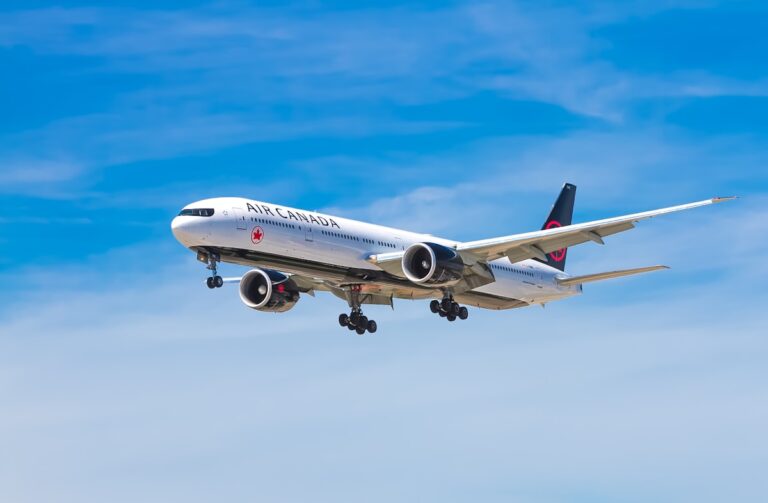
Most direct flights operate on long-haul workhorses like the Boeing 777 or Airbus A330. These planes come equipped with the stuff that makes 9 hours feel survivable:
- Seatback entertainment with more movies than you’ll actually watch
- Economy, Premium Economy, and Business Class options
- Meals that are, well, airplane meals (bring snacks)
- Wi-Fi on some flights, though it’s often spotty over the Atlantic
Business Class passengers get lie-flat seats, which sounds excessive until you’ve tried to sleep upright for 9 hours and arrived in Rome looking like you’ve been in a bar fight.
Cost of Direct Flights
Expect to pay somewhere between $500 and $1,500 for economy, with Business Class tickets running into the several-thousand-dollar range. Prices fluctuate wildly based on when you book, the season, and apparently the mood of the airline pricing algorithms. Booking 2-3 months out generally hits the sweet spot for availability and price.
Tips for Booking
- Flight comparison sites are your friend. Google Flights, Skyscanner, Kayak.
- Flexible dates can save you hundreds. Tuesday and Wednesday departures tend to be cheaper.
- Sign up for airline fare alerts. They actually work sometimes.
- Check nearby airports. Flying out of Newark instead of JFK might save you money.
Arrival and Transportation in Rome
You’ll land at Leonardo da Vinci-Fiumicino Airport (FCO), which sounds fancy but is basically a big building where everyone’s confused and slightly jet-lagged. Getting into the city is straightforward:
- Train: The Leonardo Express runs every 30 minutes to Roma Termini station. Clean, efficient, no traffic.
- Taxi: Fixed rate to the city center. Insist on the meter or agreed price before getting in.
- Shuttle services: Private and shared options for hotel transfers.
- Car rentals: Available, but driving in Rome is not for the faint of heart. Seriously.
The train is usually the best bet unless you’ve got a mountain of luggage or are traveling in a group that makes splitting a taxi worthwhile.
Direct flights from the U.S. to Rome take the stress out of getting there, which means you arrive with energy to actually enjoy the city. And trust me, you’ll want that energy. Rome doesn’t wait for jet-lagged tourists to catch up.

Stay in the loop
Get the latest aircraft insider updates delivered to your inbox.