Understanding Safety Pilot Requirements
I was in the right seat of a Cessna 172 last year, hood on, practicing instrument approaches when my safety pilot said something that stuck with me: “You know, most people don’t realize how much responsibility this job actually carries.” He was right. Being a safety pilot isn’t just sitting there enjoying the ride – it’s a specific role with real requirements and genuine consequences if something goes wrong.

Who Can Actually Be a Safety Pilot
The FAA has specific criteria for this, and they make sense when you think about them. First, you need at least a private pilot certificate. That baseline training ensures you know how to handle an aircraft if things go sideways. Probably should have led with this, but the whole point of having a safety pilot is that someone competent is watching when the other pilot literally cannot see outside the aircraft.
You also need a valid medical certificate – at minimum a third-class. Makes sense, right? If you’re going to take over an aircraft in an emergency, your body needs to be up to the task. Maintaining that medical currency is just part of the deal.
Staying Current and Capable
Here’s where some pilots get tripped up. To act as a safety pilot, you must be current in the class and category of aircraft being flown. Flying a single-engine land airplane? Your safety pilot needs recent experience in single-engine land aircraft. The FAA typically requires a flight review within the last 24 months – the same standard that applies to acting as pilot in command.
The VFR Proficiency Requirement
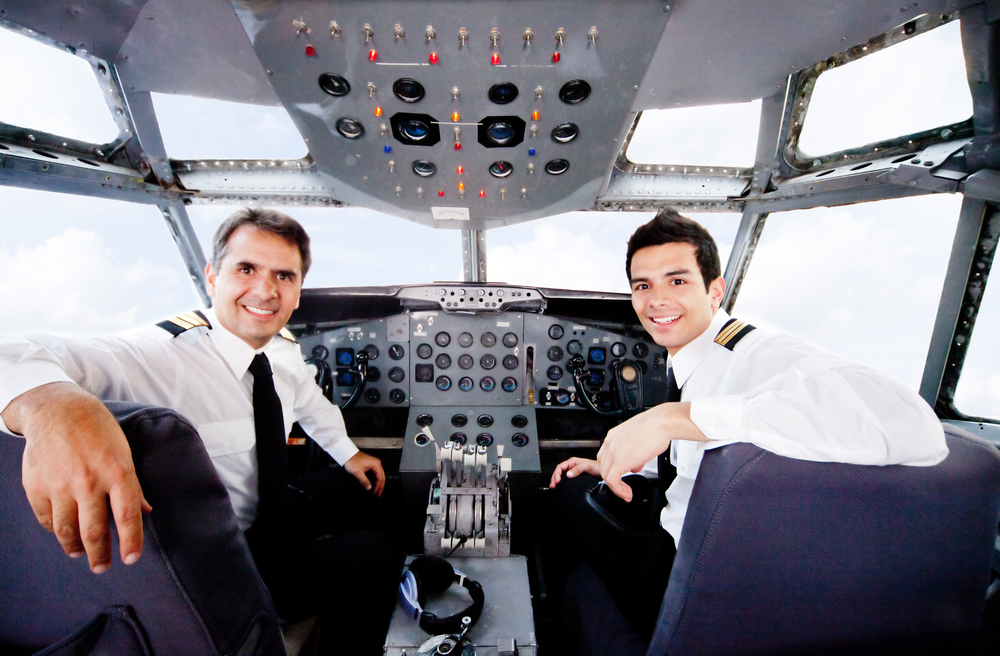
This is the core of what a safety pilot does. While the flying pilot is under the hood – essentially flying blind using only instruments – the safety pilot’s job is to watch outside. You’re the eyes. You’re scanning for traffic, terrain, towers, and anything else that might create a conflict. That means you need solid VFR skills and the ability to conduct normal flight by outside visual reference.
Talking to ATC
When you’re safety pilot, you might need to handle radio communications. If the flying pilot is deep in an approach, struggling to maintain heading and altitude, they probably don’t need the added distraction of talking to tower. Being comfortable with radio procedures and knowing the airspace you’re operating in matters.
Understanding Your Cockpit Duties
As someone who’s sat in both seats, I can tell you the safety pilot role requires genuine attention. You’re not there to admire the scenery. Vigilant lookout is your primary job. You should also understand the flight plan and be ready for deviations – weather, traffic, whatever might require a change.
The Logbook Question
FAR 61.51 covers how to log safety pilot time, and this is where things get interesting. When you’re acting as a required crewmember – which you are when simulated instrument conditions make it necessary for you to be there – you can log that time. Understanding exactly how to record it matters for currency and certificate requirements.
What You’re Actually Doing During Instrument Training
Picture this: the pilot in the left seat has a view-limiting device on. They can only see the instrument panel. They’re practicing approaches, holds, tracking courses – all the skills they need for instrument flight. Your job is to make sure they don’t fly into something while they’re focused on those gauges. You intervene only when safety requires it, letting them learn while keeping everyone alive.
When Safety Pilots Are Needed
- Simulated IMC training flights – the classic scenario
- Proficiency checks for instrument-rated pilots staying current
- Any flight where the pilot needs to focus on instrumentation instead of looking outside
In each case, you’re the backup. The extra layer of awareness that makes practice possible.
Why Currency Matters So Much
Aviation regulations evolve. Airspace changes. Technology advances. If you’re going to serve as a safety pilot, staying current on all of it matters. Regular training and periodic reviews keep your skills sharp. Complacency is the enemy – both for flying pilots and for those of us watching their backs.
The People Skills Nobody Talks About
Here’s something they don’t cover in training: being a good safety pilot requires interpersonal skills. You need to communicate effectively with the flying pilot without being overbearing. Constructive feedback helps them improve, but overstepping your role creates tension. Mutual respect makes the whole thing work better.
Safety Pilot vs. Co-Pilot – They’re Not the Same
I’ve had people confuse these roles, but they’re quite different. A safety pilot has specific, limited duties focused on observation and intervention during particular training scenarios. A co-pilot shares responsibility for the entire flight operation. Understanding this distinction clarifies expectations for everyone involved.
When Things Go Wrong
This is the scenario nobody wants but everyone needs to prepare for. If the flying pilot becomes incapacitated – vertigo, illness, whatever – you need to take control immediately. If a critical situation develops that they haven’t noticed because they’re under the hood, you need to act. Knowing emergency procedures and being ready to make quick decisions isn’t optional.
The Mental Game
Beyond technical skills, mental preparedness is crucial. Staying calm under pressure. Processing unexpected situations without freezing. Being ready to make decisions when hesitation could be costly. These aren’t skills you develop by accident – they come from practice, training, and honest self-assessment.
Becoming a competent safety pilot means combining flight experience, regulatory knowledge, and the ability to work well with another pilot in a confined space. It’s a role that matters more than most people realize, and taking it seriously contributes to safer skies for everyone.

Stay in the loop
Get the latest aircraft insider updates delivered to your inbox.