Boulder Airport: A Local Hub for Aviation Enthusiasts
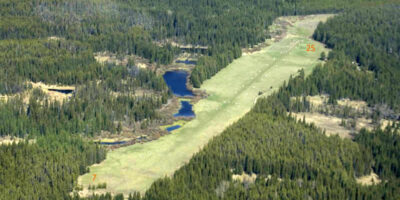
I flew into Boulder Municipal Airport on a clear autumn afternoon, and the approach over the foothills with the Rocky Mountains rising beyond genuinely took my breath away. For a small regional airport, the scenery alone makes it memorable. Probably should have led with this, honestly: Boulder Airport isn’t trying to compete with Denver International. It serves a different purpose – supporting general aviation, flight training, and recreational flying in one of the most stunning settings imaginable.
Historical Background
Established in 1928, the airport has witnessed nearly a century of aviation evolution. During World War II, it supported military pilot training – a common story for small airports of that era. The military heritage brought development and recognition that helped sustain operations during difficult periods. Today, that history forms the foundation for a facility that serves contemporary general aviation needs.
Facilities and Services
The single runway, 8/26, measures approximately 4,100 feet – adequate for small to medium-sized aircraft. The infrastructure is functional rather than elaborate:
- Runway 8/26: 4,100 by 75 feet, asphalt
- Taxiways and parking areas
- Self-service avgas and jet fuel
- Hangars and tie-down spaces
- Maintenance services
Pilot and Visitor Amenities
A fixed-base operator provides fueling, flight planning assistance, and essential services. The terminal offers a waiting area, restrooms, and basic amenities. That’s what makes small airports endearing to us general aviation enthusiasts – they focus on fundamentals rather than retail distractions.
Flight Schools and Training
Several flight schools operate from Boulder, offering training from private pilot certificates through advanced ratings. The mountain environment provides excellent training opportunities – variable weather, density altitude challenges, and terrain awareness that prepares pilots for real-world flying. The scenery doesn’t hurt either.
Recreational Aviation
Recreational flying thrives here. Gliding, hot air ballooning, and aerial sightseeing attract enthusiasts drawn to the stunning landscape. The combination of capable facilities and spectacular setting makes Boulder a destination for pilots who want to fly somewhere beautiful.
Accessibility
Located just three miles northeast of downtown Boulder, the airport is easily accessible. Ample parking serves visitors. For pilots, the airport provides convenient access to Boulder’s attractions, the university, and Rocky Mountain National Park nearby.
Environmental Considerations
Boulder’s environmental consciousness extends to the airport. Noise abatement procedures, energy-efficient facilities, and initiatives minimizing impact on surrounding natural areas reflect community values. Balancing aviation utility with environmental responsibility remains an ongoing priority.
Community Involvement
The airport engages actively with Boulder residents through fly-ins, air shows, and educational programs. These events foster positive relationships and introduce aviation to those who might otherwise never experience it. Community support helps sustain the airport’s operations and ensures continued access for general aviation.
Economic Impact
Despite modest size, the airport contributes meaningfully to local economy through aviation services, flight training, maintenance, and related businesses. It supports jobs and attracts visitors who spend money throughout the region.
Future Developments
Planned improvements include runway enhancements, additional hangar space, and upgraded navigation equipment. These developments aim to accommodate growing demand while maintaining safety and efficiency standards.
Regulations and Safety
FAA oversight ensures operational protocols meet safety requirements. Regular inspections, maintenance standards, and training programs uphold the safety culture that aviation demands.
Boulder Airport exemplifies what small municipal airports can offer – essential services, beautiful setting, engaged community, and accessible general aviation. It’s not glamorous, but it works, and pilots who discover it often return.