
Types of Planes: A Practical Guide to Aircraft Categories
As someone who has been around aircraft long enough to know that most people lump everything into one mental category called “planes,” I learned everything there is to know about how aviation actually divides up. Today, I will share it all with you.
The aviation world is genuinely diverse, with aircraft designed for purposes ranging from carrying 500 passengers across oceans to dusting crops in rural Kansas. Understanding these categories helps make sense of what you see at airports and in the sky overhead.
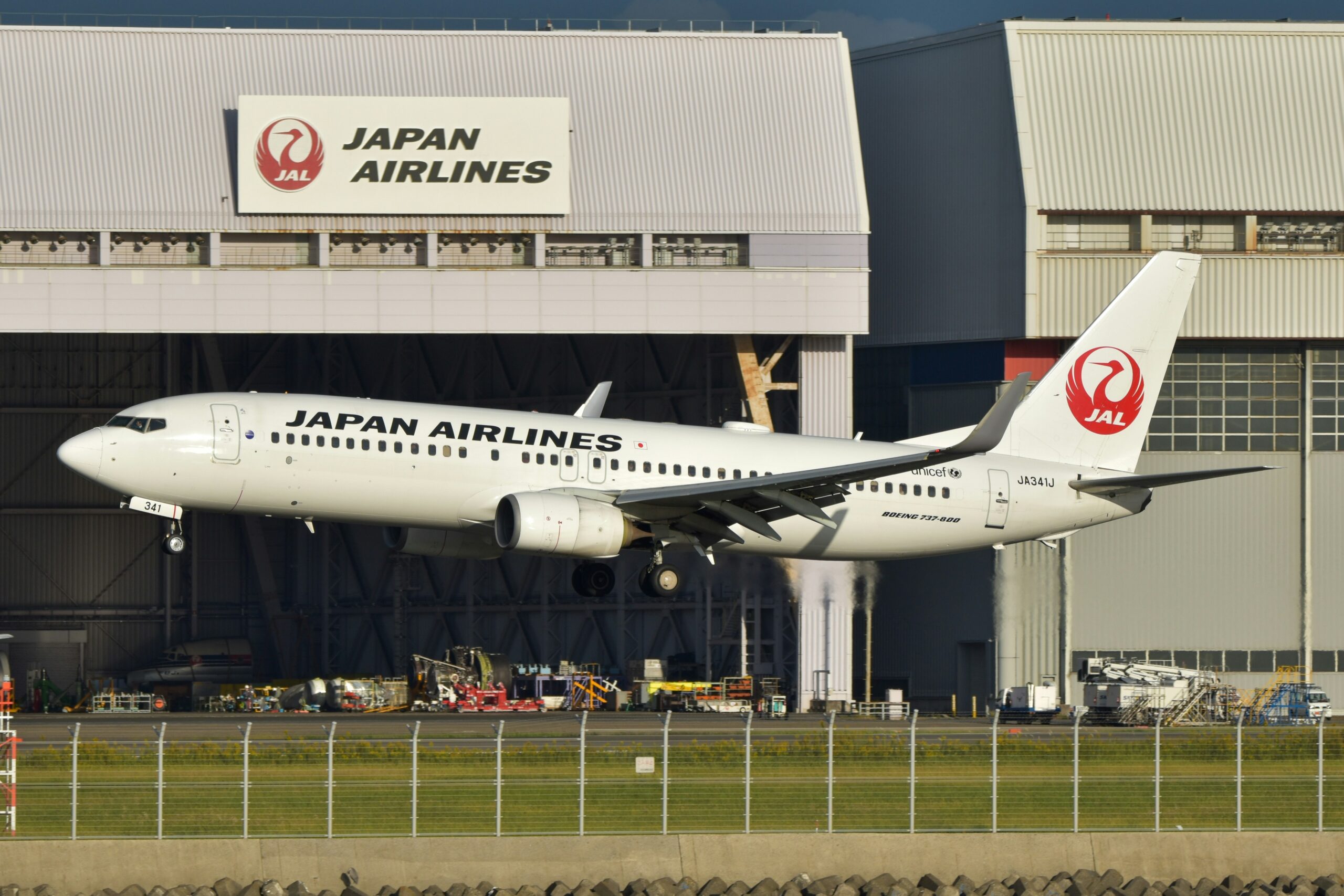
Commercial Airliners
These are the aircraft most people actually fly on. Built for efficiency, range, and moving hundreds of passengers safely across large distances.
- Narrow-body Aircraft: Single-aisle workhorses like the Boeing 737 and Airbus A320 carry 100-200 passengers on domestic and short-haul international routes. Probably should have led with this, honestly, because these are the planes most people board most often — they make up the backbone of commercial aviation.
- Wide-body Aircraft: Twin-aisle aircraft like the Boeing 777 and Airbus A350 handle long-haul routes with 250-400+ passengers. The Boeing 747 and Airbus A380 pushed capacity even higher before economics favored smaller twins.
- Regional Jets: Smaller aircraft like the Embraer E175 and CRJ series connect smaller cities to major hubs, typically seating 50-90 passengers. The reason your connecting flight felt different from your mainline one.
Cargo Planes
The global supply chain depends on aircraft designed or converted to haul freight. That’s what makes cargo aviation endearing to logistics people: it’s the invisible infrastructure making overnight shipping from across the country feel routine.
- Dedicated Freighters: Purpose-built cargo aircraft like the Boeing 747-8F or the massive Antonov An-124 move everything from consumer electronics to oversized industrial equipment and racehorses.
- Converted Freighters: Retired passenger planes frequently get second lives hauling cargo. Boeing 737s and Airbus A330s often make this transition when their passenger cabin years are done.
Military Aircraft
Military aviation spans multiple mission types, each requiring specialized designs optimized for very different requirements.
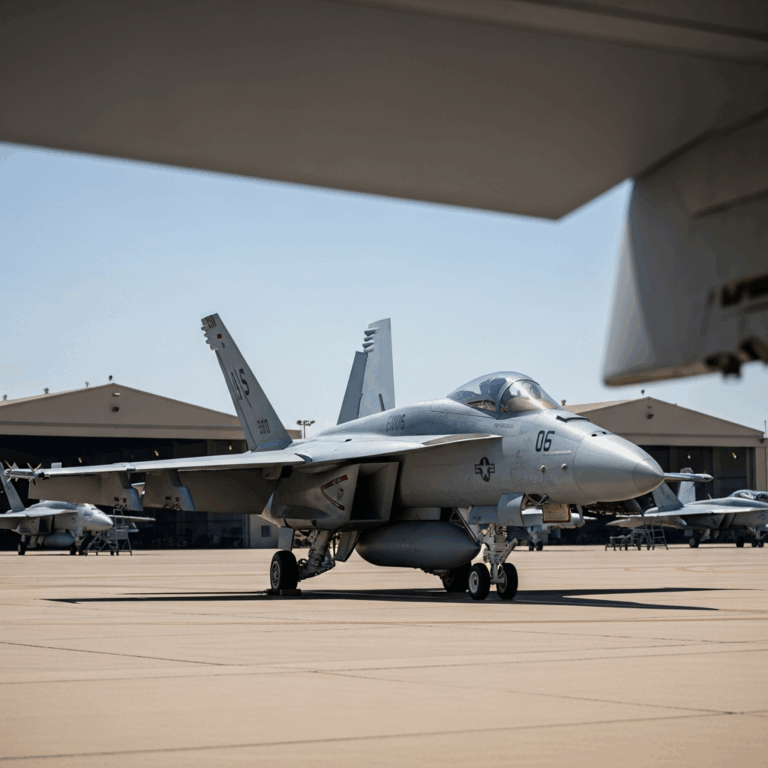
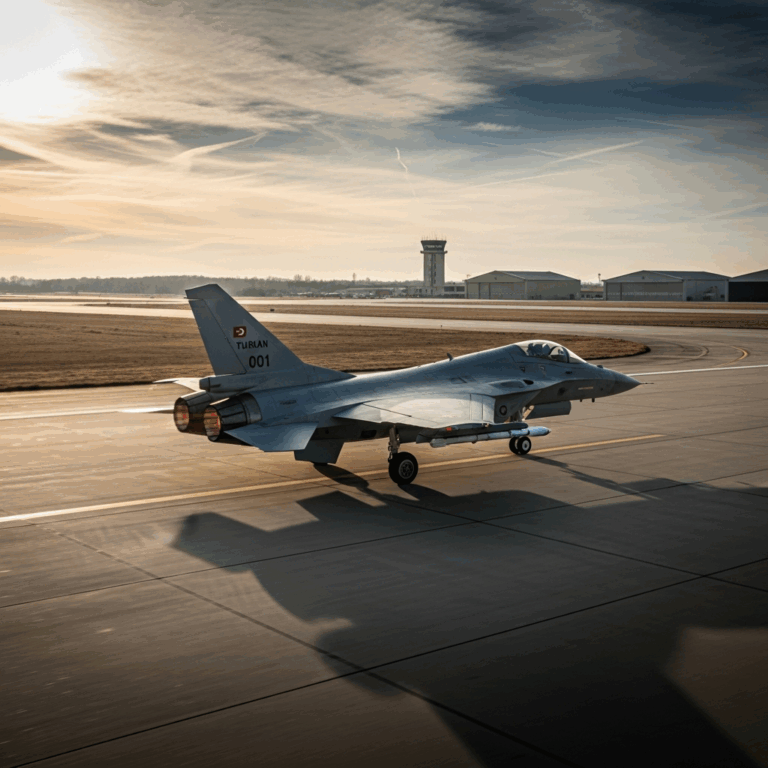
- Fighter Jets: Air superiority and multirole aircraft like the F-22 Raptor, F-35 Lightning II, and Eurofighter Typhoon combine speed, maneuverability, and weapons integration.
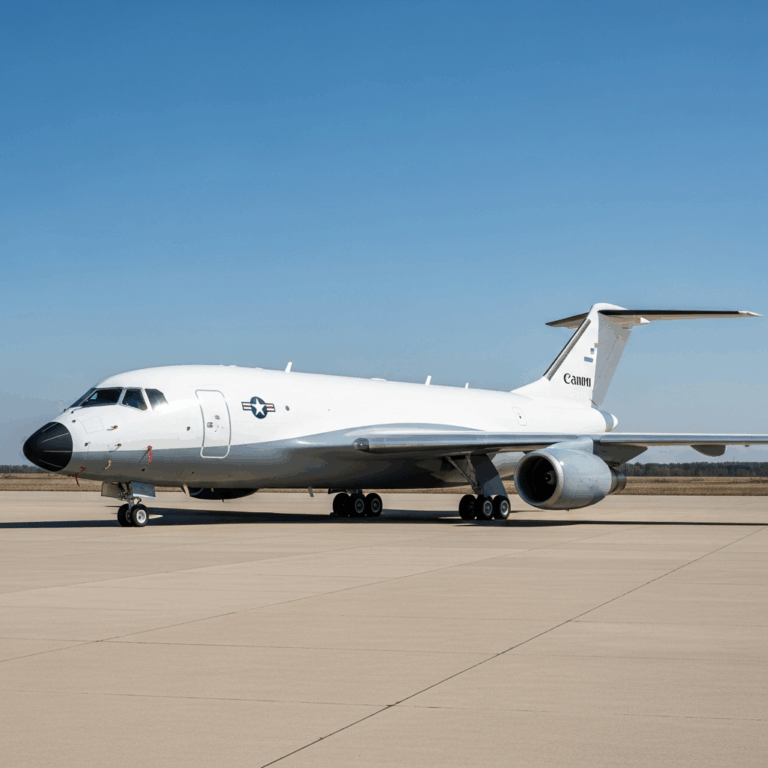
- Transport Planes: Workhorses like the C-130 Hercules and C-17 Globemaster III move troops and equipment wherever they’re needed, into airfields that commercial aircraft would never attempt.
- Surveillance Aircraft: Reconnaissance platforms like the E-3 Sentry AWACS and the Global Hawk drone gather intelligence from altitude without risking pilots.
- Bombers: Strategic aircraft like the B-2 Spirit and B-52 Stratofortress deliver ordnance over intercontinental distances.
General Aviation
Everything that isn’t scheduled airline service or military falls here. It’s a diverse category covering recreational flying, personal transportation, flight training, aerial agriculture, and corporate travel.
- Single-Engine Pistons: Trainers and personal aircraft like the Cessna 172 and Piper Cherokee. These are where most pilots start and where many stay happily for decades.
- Light Sport Aircraft: Simpler, lighter aircraft requiring less certification to fly, like the ICON A5.
- Business Jets: Corporate travel machines from compact Cessna Citations to intercontinental Gulfstream G700s.
- Seaplanes: Aircraft capable of water operations, essential for remote areas in Alaska, the Pacific Northwest, and island regions without runways.
Experimental and Homebuilt Aircraft
Aviation enthusiasts build aircraft from kits or original designs under the FAA’s experimental category. This is where some of the most interesting flying happens.
- Kitplanes: Complete kits like the Van’s RV series provide proven designs for home assembly — a several-year project that produces an aircraft tailored to the builder’s preferences.
- Scratch-built: Custom designs built from plans or original engineering, unique to each builder. The ultimate expression of aviation enthusiasm.
Helicopters
Technically not fixed-wing aircraft, but helicopters are essential aviation assets that deserve inclusion in any honest survey of what flies.
- Utility Helicopters: Versatile platforms like the Bell 206 handle news coverage, emergency medical services, law enforcement, and offshore oil platform support.
- Attack Helicopters: Combat aircraft like the AH-64 Apache provide close air support and anti-armor capability for ground forces.
- Transport Helicopters: Heavy-lift aircraft like the CH-47 Chinook move personnel and cargo into areas where fixed-wing operations are simply impossible.
Each category serves specific needs, and the diversity reflects how aviation has evolved to solve genuinely different problems. Understanding these types helps you appreciate what you’re actually looking at next time you watch a passing aircraft.
Stay in the loop
Get the latest aircraft insider updates delivered to your inbox.