How Fast Do Planes Actually Fly? The Numbers That Make No Sense Until You Understand Them
Stared at the ground speed indicator showing 587 mph somewhere over Kansas last September and realized I’d been misunderstanding aircraft speed for years. Eight miles every minute. That’s highway driving for an hour, covered before you finish a single song. And yet most passengers never think about what those numbers actually mean.
Here’s the thing that confused me forever – there isn’t just one speed number for aircraft. Pilots work with several different measurements, and understanding why matters more than you’d think.
Ground Speed vs Airspeed – The Difference That Changes Everything
Ground speed is straightforward: how fast you’re moving relative to the ground below. Cover 500 miles in an hour, ground speed is 500 mph. Simple. Except wind changes everything.
I was on a flight from LAX to Tokyo once – eleven hours westbound, eight hours returning. Same distance, same airplane type, three-hour difference. A 150 mph jet stream headwind going out, tailwind coming back. Ground speed swung by 300 mph between directions while the plane flew at essentially identical airspeed the whole time.
Airspeed measures movement through the air itself, regardless of what the air is doing. This is what pilots actually fly by because wings and control surfaces respond to airflow, not ground movement. Confused me for years until someone finally explained it properly.
The Airspeed Rabbit Hole Gets Deeper
There’s indicated airspeed – what the cockpit gauge shows. Calibrated airspeed – indicated adjusted for instrument quirks. True airspeed – calibrated adjusted for altitude and temperature. Each matters for different purposes.
Here’s why this gets weird: indicated airspeed doesn’t account for thin air at high altitude. A plane showing 250 knots at 35,000 feet is actually moving through space way faster than it would at sea level showing the same number. The air molecules hitting the sensor are just spread thinner up there.
I’m apparently fascinated by this stuff in ways that make people change seats next to me on planes. The physics works for me while simplified explanations never did.
What Determines How Fast Planes Can Go
Aerodynamic design matters enormously. Sleeker shapes cut drag. Every bulge, antenna, or sharp angle creates turbulence that slows things down. Modern jets are refined down to individual rivet placements.
Engine thrust seems obvious – more power, more speed. But it’s not linear. Drag increases with the square of velocity, so doubling speed requires roughly four times the thrust. This is why supersonic flight remained impractical for commercial aviation after Concorde.
Altitude changes things counterintuitively. Planes fly faster at higher altitudes because thinner air creates less resistance. Climbing burns fuel, but cruising at 40,000 feet is more efficient than slogging through the thick soup at 10,000 feet. The math favors altitude.
Typical Speeds You’ll Actually Experience
Commercial jets – your 737s and A320s – cruise around 500-600 mph. That’s the sweet spot balancing fuel burn, ticket prices, and reasonable travel times.
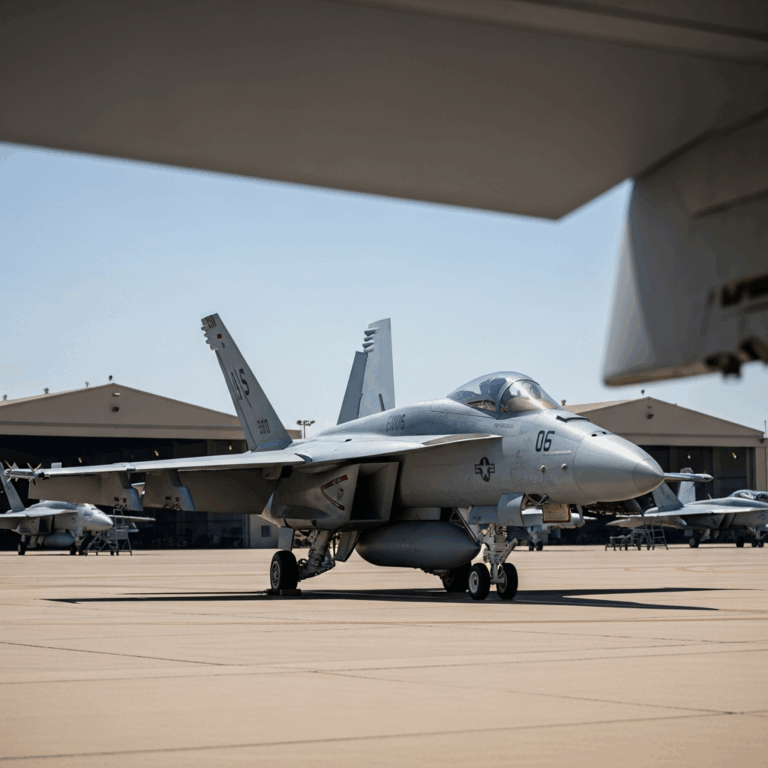
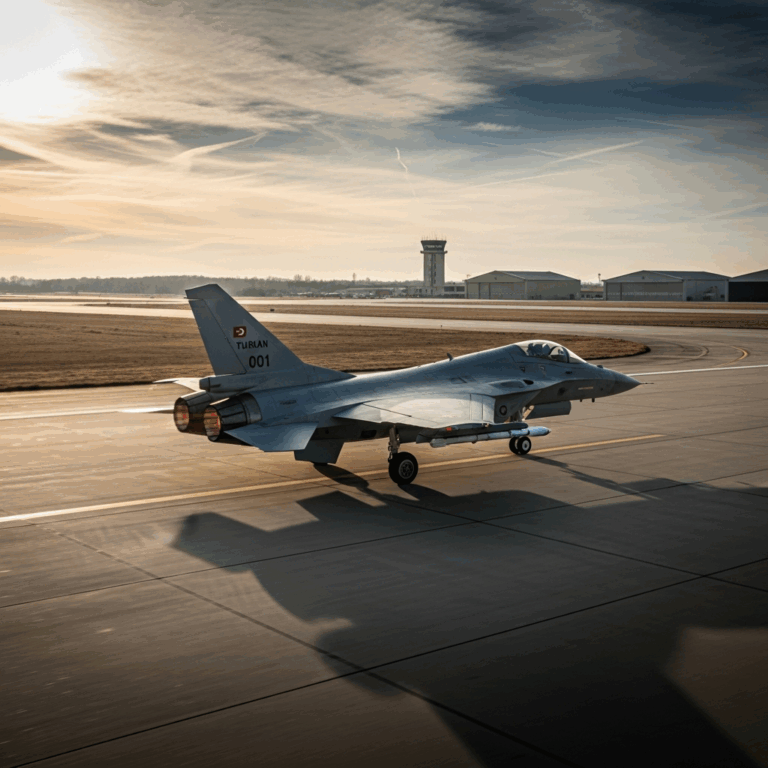
Business jets push toward 700 mph sometimes. Time is money for those passengers. Military fighters exceed 1,500 mph – faster than sound travels through air. Completely different engineering constraints when performance matters more than fuel economy.
Small propeller planes like Cessna 172s cruise around 130 mph. What you lose in speed you gain in lower costs, easier handling, and the ability to land pretty much anywhere with a flat stretch of ground.
The Speed vs Efficiency Tradeoff
Faster almost always means thirstier. Fuel represents the biggest variable cost for airlines. Finding optimal cruise speed – fast enough for schedules, slow enough to not hemorrhage fuel – requires constant calculation.
I watched a flight tracking app once showing two identical aircraft on the same route, one doing 520 mph, the other doing 550 mph. Different airlines, different cost calculations, different priorities. Neither was wrong – they’d made different choices about the tradeoffs.
Where This Is All Heading
Supersonic comeback attempts keep happening. Boom Supersonic and others are developing new designs with better economics than Concorde managed. Whether passengers will pay premium prices for faster transit remains the big question.
Electric propulsion is coming for short routes first. Battery energy density limits range and speed currently, but technology evolves faster than skeptics expect. Hybrid systems might bridge the gap for medium-haul flights sooner than most people think.
For now, the fundamental physics haven’t changed much since jets went mainstream in the 1960s. We’ve gotten dramatically more efficient at the same speeds. That’s actually the bigger achievement.
Stay in the loop
Get the latest aircraft insider updates delivered to your inbox.