
Aviation Week and Space Technology
I discovered Aviation Week and Space Technology during a college internship at an aerospace company. The engineers there treated it like scripture – dog-eared copies scattered across desks, articles cited in meetings, subscription status apparently essential for professional credibility. Probably should have led with this, honestly: AW&ST isn’t just a publication. It’s been the aviation and space industry’s newspaper of record since 1916, shaping how professionals understand their field.

The publication’s scope is vast – commercial aviation, defense, space, and maintenance – providing comprehensive coverage that helps professionals stay informed across interconnected sectors.
Commercial Aviation
Commercial aviation coverage tracks airlines, manufacturers, and passenger experience. AW&ST delivers timely updates that matter for industry decisions.
- Aircraft Orders: Major orders signal economic health and manufacturer competition. The data helps forecast industry trajectories.
- Airline Strategies: Fleet management, route planning, fare strategies – the operational details that determine profitability.
- Market Trends: Fuel prices, tourism patterns, regulatory changes – the external factors shaping industry dynamics.
Defense Aviation
Defense coverage provides depth that general news outlets can’t match. That’s what makes AW&ST valuable to us policy observers – the technical detail and insider access that illuminate how military aviation actually evolves.
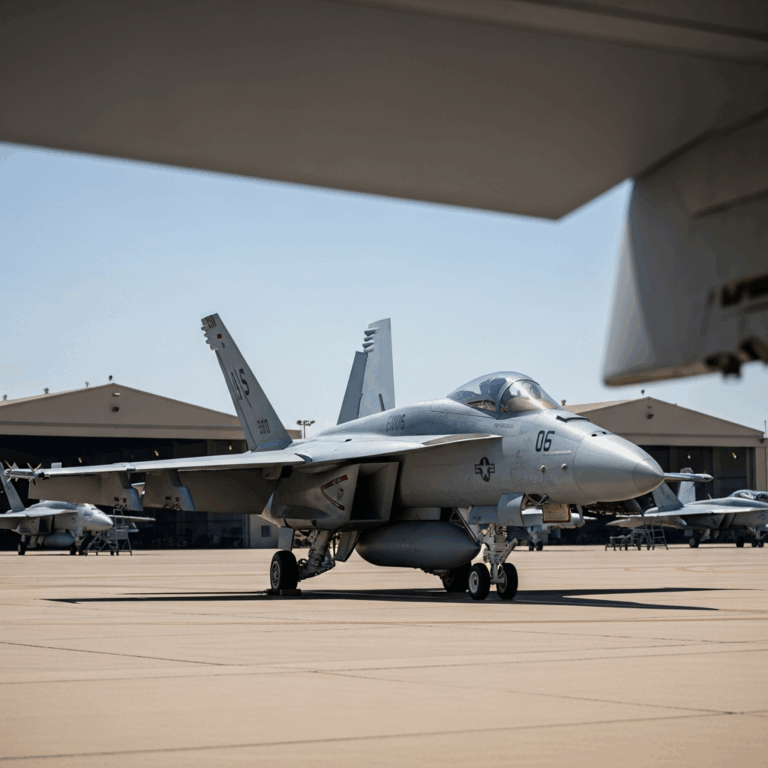
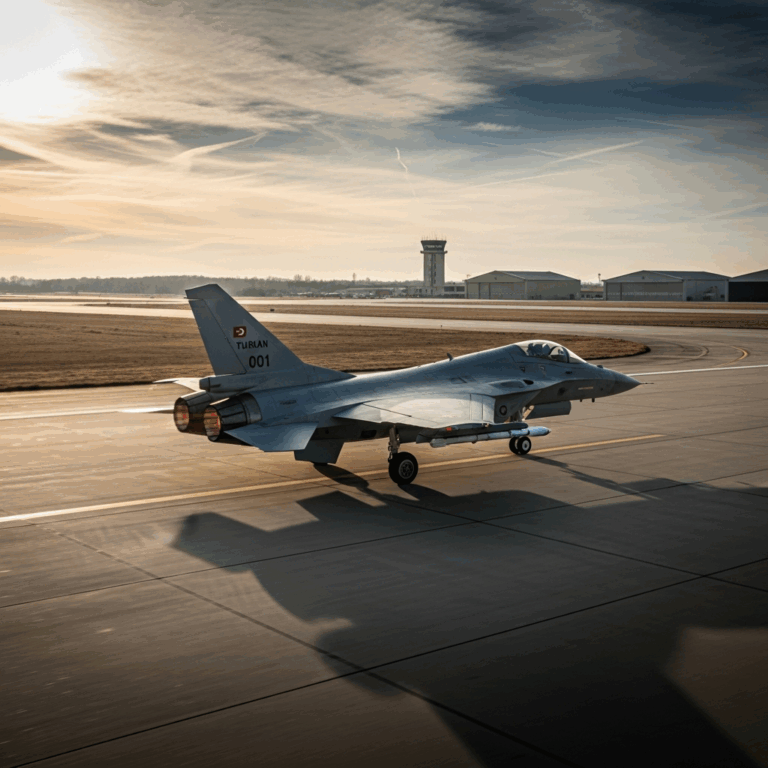
- Military Aircraft: Developments in stealth technology, avionics improvements, new fighter capabilities.
- Unmanned Systems: UAV applications for surveillance, targeting, and autonomous operations.
- Radar and Sensors: Detection and tracking technologies that define modern air defense.
Space Technology
Space coverage spans government programs and commercial ventures, tracking an industry experiencing unprecedented private-sector growth.
- Space Missions: Mars exploration, lunar programs, deep-space probes expanding human knowledge.
- Satellite Technology: Communications, weather forecasting, Earth observation – the orbital infrastructure modern life depends upon.
- Commercial Spaceflight: SpaceX, Blue Origin, and emerging competitors making space access more affordable.
Maintenance, Repair, and Overhaul (MRO)
MRO coverage addresses the often-overlooked systems that keep aircraft flying safely and economically.
- Innovative Techniques: Predictive maintenance reducing downtime and improving reliability.
- Reliability Standards: Inspection and repair practices ensuring safety.
- Cost Management: Efficiency improvements that affect airline economics.
Technological Advancements
Innovation coverage highlights developments reshaping aviation and space.
- Engine Technology: Designs reducing fuel consumption and emissions.
- Avionics: Navigation, communication, and flight management improvements.
- Materials Science: Lightweight, durable materials improving performance and longevity.
Policy and Regulation
Regulatory coverage contextualizes how government decisions affect industry operations.
- Legislation: Laws governing air travel and space activities.
- Safety Standards: FAA and international requirements ensuring operational safety.
- International Cooperation: Collaborative efforts advancing global aviation and space programs.
Aviation Week and Space Technology remains indispensable for professionals in these fields. Its comprehensive coverage provides context, analysis, and insight that shape understanding of rapidly evolving industries.
Stay in the loop
Get the latest aircraft insider updates delivered to your inbox.