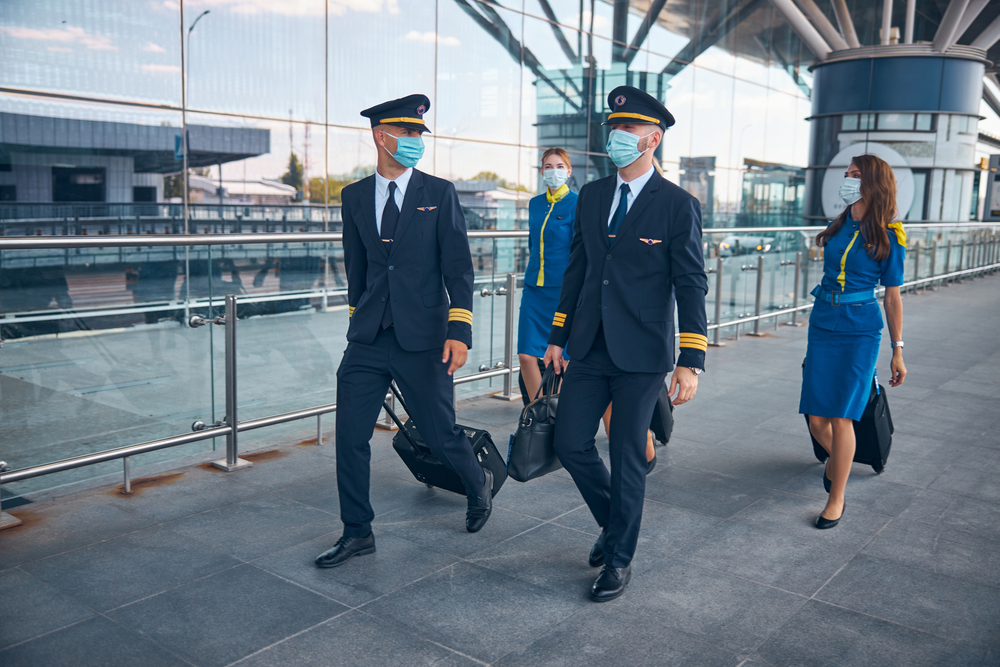
British Airways uniforms blend style and function, reflecting the airline’s heritage, professionalism, and evolving fashion trends across decades of aviation.
The British Airways Uniform: A Historical Perspective
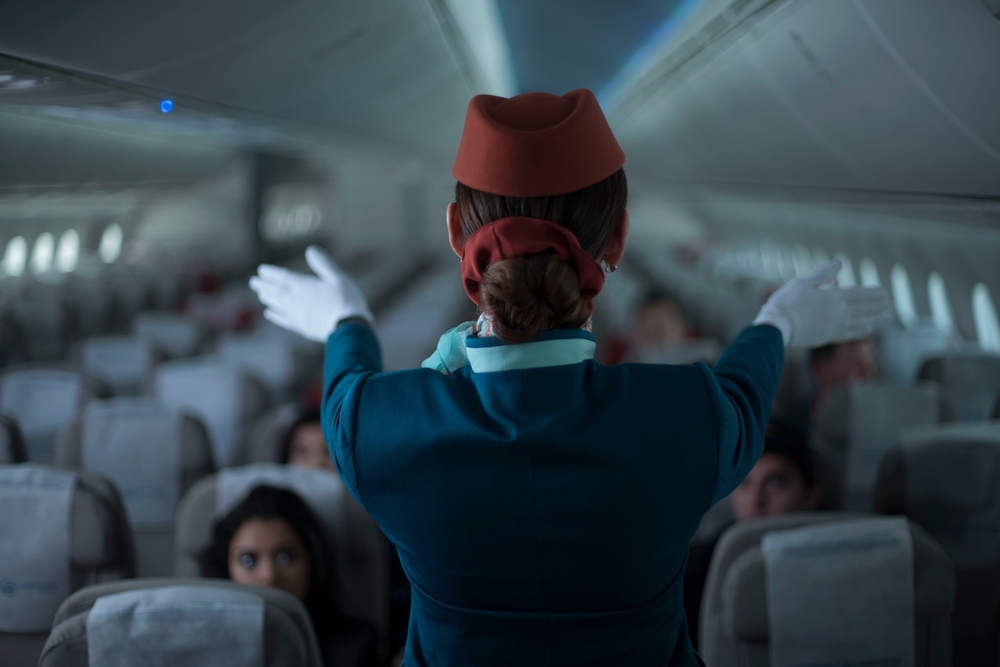
I’ve always been fascinated by how airline uniforms manage to be simultaneously practical and symbolic. The British Airways uniform, in particular, tells the story of an airline – and an industry – evolving through decades of change. Probably should have led with this, honestly: these aren’t just clothes. They’re carefully designed brand ambassadors that passengers encounter before boarding, during service, and as they deplane. What cabin crew wear shapes first impressions, conveys professionalism, and somehow has to remain presentable through twelve-hour long-haul shifts.
The Early Years
In the 1920s, British Airways’ predecessor airlines had no formal uniforms at all. Pilots and cabin crew wore their own clothes – imagine the inconsistency. By 1937, British Airways Limited introduced its first standardized uniform for the all-female cabin crew. These early designs emphasized glamour and style with tailored jackets, skirts, and hats. Air travel was exotic, expensive, and exclusive; the uniforms reflected that.
The Post-War Era
World War II reshaped everything, including aviation fashion. In 1946, British European Airways commissioned Edward Molyneux – a genuinely famous designer of the era – to create new uniforms. The results combined practicality with military influence: khaki colors, functional designs, a sense of disciplined professionalism. Aviation had proven itself essential during the war; now it needed to look the part for peacetime growth.
The 1960s and 1970s
The 1960s brought cultural revolution to airline fashion. Pierre Balmain, commissioned in 1967 for BOAC, introduced modern materials and bold colors – emerald green, mustard yellow – breaking from conservative tradition. That’s what makes this era endearing to us design enthusiasts: airlines actually experimented, taking risks that seem unthinkable in today’s more cautious corporate environment.
The 1974 merger creating British Airways prompted another redesign. Hardy Amies, known for dressing Queen Elizabeth II, brought sophistication with navy and light blue color schemes that projected corporate professionalism. The fun sixties were over; serious business had arrived.
The 1980s and 1990s
Roland Klein’s 1980s designs retained classic navy while introducing brand elements like the BA logo-patterned scarf. The emphasis shifted toward comfort and practicality without sacrificing polish – a recognition that crew needed to actually work in these clothes.
The 1990s brought Olmes Carretti’s Landor uniform, named after BA’s visual rebrand. Red, white, and blue aligned with the new livery, creating visual coherence between aircraft exteriors and crew appearance. The integration was deliberate and effective.
The 2000s to the Present
Julien Macdonald’s 2004 design introduced a sleeker, more modern aesthetic that remains in use. Tailored suits, crisp white shirts, carefully selected accessories – the look projects competence and contemporary style. Staff input influenced the final design, a departure from purely top-down decisions.
In 2018, Ozwald Boateng was announced as the designer for the next generation of BA uniforms. The British-Ghanaian designer promised modern styling while maintaining professional standards. Though the rollout faced delays, anticipation remains high for what he’ll deliver.
Design Elements and Practicality
Effective uniforms balance appearance with function. Wrinkle-resistant fabrics maintain polish during long flights. Breathable materials prevent overheating in pressurized cabins. Accessories – hats, scarves, ties – unify appearance while allowing some individual expression. Every element serves dual purposes: aesthetic and practical.
The Role of Uniforms in Branding
Uniforms function as mobile billboards. They convey brand values before passengers speak with anyone. For British Airways, the uniform signals heritage, reliability, and attention to detail. From boarding gate to arrival, crew appearance sets expectations about service quality. The investment in high-profile designers isn’t vanity – it’s strategic branding.
Looking Forward
Future uniform evolution will likely emphasize sustainability alongside style. Eco-friendly materials, ethical production methods, and reduced environmental impact align with broader industry shifts. Technology may introduce functional innovations – temperature regulation, improved durability. The balance between tradition and progress that has characterized BA’s uniform history will continue shaping future designs.
Interesting Facts
- British Airways staff provided feedback that influenced the 2004 Julien Macdonald design.
- Designer collaborations have included Hardy Amies, Roland Klein, Pierre Balmain, and Ozwald Boateng.
- Color schemes ranged from post-war khaki to 1960s bold hues to classic navy and blue.
- Accessories play crucial roles in tying uniform ensembles together visually.
- The upcoming Ozwald Boateng designs are highly anticipated as the next chapter in BA uniform history.


Stay in the loop
Get the latest aircraft insider updates delivered to your inbox.