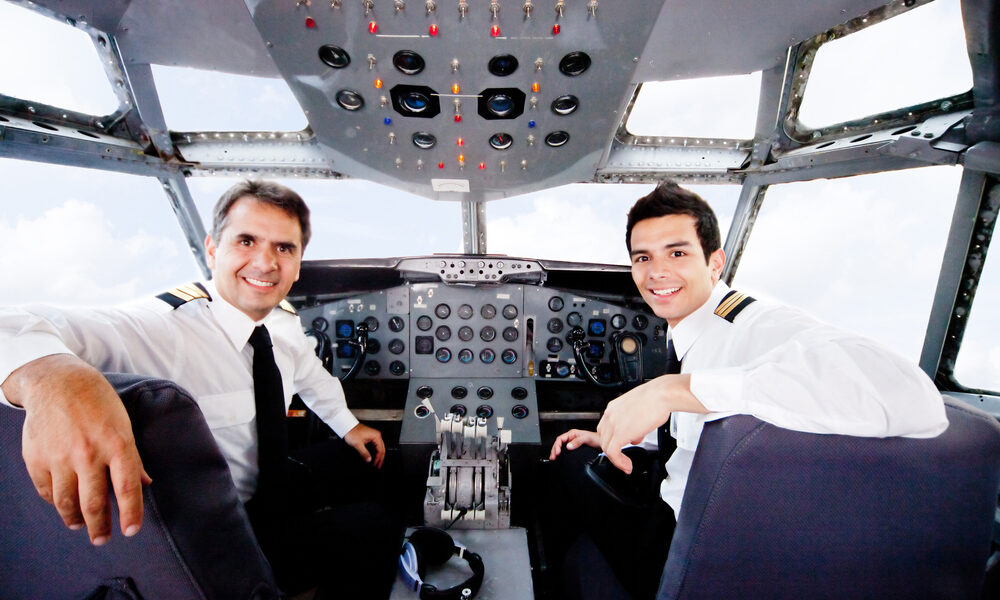
The Commercial Pilot License (CPL) is your ticket to getting paid to fly. While private pilots can only share expenses with passengers, commercial pilots can legally accept compensation for their flying services. Here’s everything you need to know about requirements, training, and costs.
What Can You Do With a Commercial Pilot License?
A commercial certificate opens doors to numerous aviation careers:
- Flight instruction (with CFI certificate)
- Banner towing and aerial advertising
- Aerial photography and surveying
- Pipeline and powerline patrol
- Skydiving operations
- Cargo flying
- Charter flights (with additional requirements)
- Agricultural aviation (crop dusting)
- Ferry flights
- Sightseeing tours
Note: Airline flying requires an Airline Transport Pilot (ATP) certificate, which has additional requirements beyond the commercial license.
FAA Requirements for Commercial Pilot Certificate
Age and Medical
- Minimum age: 18 years old
- Medical certificate: Second-class (or first-class for airline operations)
- English proficiency: Read, speak, write, and understand English
Flight Time Requirements (FAR 61.129)
- 250 hours total time (can be reduced to 190 hours under Part 141)
- 100 hours pilot-in-command time
- 50 hours cross-country flight time
- 10 hours instrument training
- 10 hours in a complex or TAA aircraft
- Solo requirements: 10 hours including one 300nm cross-country with landings at three points
Knowledge and Practical Tests
- Written exam: FAA Commercial Pilot Knowledge Test (passing score 70%)
- Practical test: Oral exam and flight check with Designated Pilot Examiner
Commercial Pilot Training: What’s Involved
Commercial training builds on private pilot skills with emphasis on precision and professional standards:
Ground School Topics
- Advanced aerodynamics and performance
- Complex aircraft systems
- Commercial pilot regulations (Part 119, 135)
- Advanced weather theory
- High-altitude operations
- Emergency procedures
Flight Training Maneuvers
- Chandelles: Maximum performance climbing turns
- Lazy eights: Coordinated climbing and descending turns
- Steep spirals: Emergency descent technique
- Eights on pylons: Ground reference with varying altitude
- Power-off 180° accuracy landings: Engine-out approach simulation
- Short-field and soft-field operations: Maximum performance takeoffs and landings
How Much Does a Commercial License Cost?
Costs vary significantly based on your training path and how much flight time you already have:
If Starting from Zero (Private through Commercial)
- Part 61 training: $50,000-80,000
- Part 141 program: $60,000-90,000
- Accelerated programs: $70,000-100,000+
If You Already Have Private Pilot License
- Additional flight training: $15,000-30,000
- Complex aircraft rental: $200-350/hour
- Instructor fees: $50-80/hour
- Written exam: $175
- Practical test: $600-1,000
- Study materials: $200-500
Hidden Costs to Budget For
- Additional flight time beyond minimums (most students need 20-50 extra hours)
- Checkride failures requiring additional training
- Medical exam renewals
- Headset, iPad, and equipment
Part 61 vs Part 141 Training
Part 61 (Traditional Flight Schools)
- Flexibility: Train at your own pace
- Minimum hours: 250 total time required
- Best for: Working professionals, those with schedule constraints
- Pros: Lower upfront costs, flexible scheduling
- Cons: May take longer, requires self-discipline
Part 141 (FAA-Approved Programs)
- Structured curriculum: Set syllabus and stage checks
- Minimum hours: 190 total time (reduced from 250)
- Best for: Full-time students, career changers
- Pros: Faster completion, eligible for VA benefits
- Cons: Less flexibility, higher hourly commitment
Timeline: How Long Does It Take?
From private pilot to commercial certificate:
- Full-time accelerated: 3-6 months
- Part-time training: 6-12 months
- Weekend-only training: 12-24 months
Starting from zero to commercial:
- Full-time accelerated: 6-9 months
- Part-time training: 12-24 months
Adding the Instrument Rating
Most commercial pilots also hold an instrument rating, which is required for many commercial operations. While not legally required for the commercial certificate itself, it’s practically essential for professional flying.
The instrument rating adds approximately:
- 40-60 hours additional flight training
- $10,000-20,000 in costs
- 2-4 months training time
Career Outlook and Next Steps
The current aviation industry faces a significant pilot shortage. Commercial pilots with instrument ratings and flight instructor certificates are in high demand. Many pilots use initial commercial jobs to build the 1,500 hours required for airline transport pilot certification.
Common first jobs after earning your commercial certificate:
- Flight instructor (most common path)
- Aerial survey pilot
- Banner tow pilot
- Skydive pilot
- Part 135 cargo pilot
With dedication and the right training program, you can go from zero experience to commercial pilot in under a year—the first major step toward a professional aviation career.


Leave a Reply