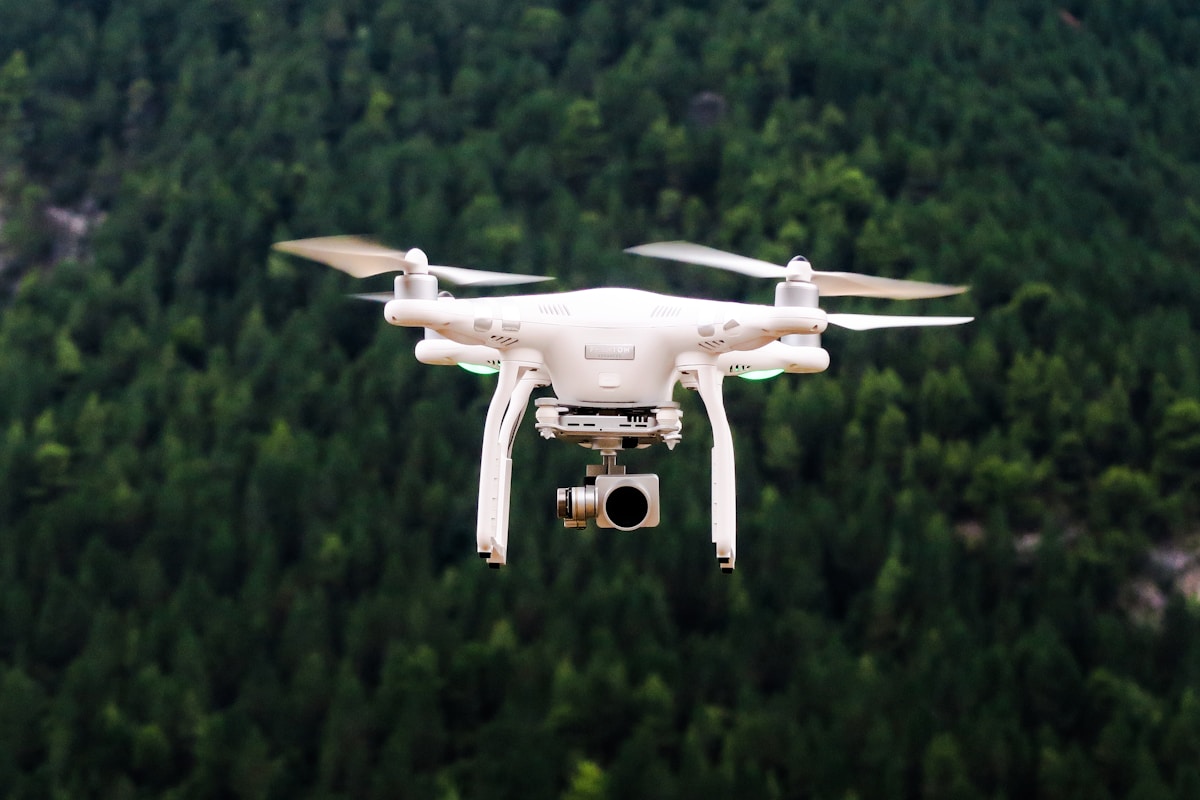
The Federal Aviation Administration expanded temporary flight restrictions on Friday, banning drone operations over 30 additional areas in southern New York and Long Island. The move comes in response to ongoing reports of unusual aerial activity that has captivated—and concerned—residents across the Northeast.
The new restrictions follow an earlier decision to implement bans across 22 areas in New Jersey, including Elizabeth, Camden, and Jersey City. Together, the restrictions represent one of the most extensive drone prohibition zones ever established in the United States outside of national security events.
What the Restrictions Cover
“At the request of federal security partners, the FAA published Temporary Flight Restrictions prohibiting drone flights over critical infrastructure,” the FAA stated in its announcement.
The newly announced TFRs cover:
- All five boroughs of New York City
- Parts of Nassau and Suffolk Counties on Long Island
- Critical infrastructure sites including power plants, water treatment facilities, and transportation hubs
The restrictions will remain in effect until January 19, 2025, though they could be extended depending on the ongoing investigation.
The Mystery Drone Sightings
The expanded restrictions come amid widespread reports of mysterious drone sightings across New Jersey and New York that have prompted federal investigations and considerable public speculation. Residents have reported large drones—some allegedly the size of small cars—operating at night near critical infrastructure, residential areas, and even military installations.
Federal officials have offered few explanations. The FBI, Department of Homeland Security, and FAA are investigating, but public statements have been vague. Some officials suggest many sightings may be misidentified aircraft or authorized operations; others acknowledge that some reports remain unexplained.
Local lawmakers have demanded answers, with several New Jersey and New York representatives calling for briefings and expanded federal response. The lack of clear information has fueled conspiracy theories and public anxiety.
What Drone Operators Need to Know
Drone operators in the affected areas face serious consequences for violations. Flying in a TFR without authorization can result in:
- Civil penalties up to $75,000 per violation
- Criminal prosecution under federal law
- Seizure of the drone
- Suspension or revocation of any FAA certificates
Operators must check NOTAMs (Notices to Air Missions) before every flight to verify current restrictions. Apps like B4UFLY can help recreational operators identify restricted areas, but the situation is evolving rapidly.
The TFRs apply to all unmanned aircraft operations regardless of size, including small recreational drones. Even drones under 250 grams—normally exempt from some regulations—cannot operate in TFR airspace without authorization.
The Broader Context
The drone restrictions highlight ongoing challenges with managing unmanned aircraft in the national airspace. The FAA has struggled to balance enabling beneficial drone operations—delivery services, infrastructure inspection, emergency response—with preventing misuse and ensuring safety.
Remote ID requirements, which mandate that most drones broadcast identification information, are now in effect. But enforcement remains challenging. Authorities can detect that a drone is present, but identifying the operator and taking action requires additional capabilities that aren’t universally deployed.
Holiday Reminder
The FAA is also running its annual “12 Days of Drones” campaign through December 24, educating new drone owners about rules, regulations, and best practices. With drones among the most popular holiday gifts, the campaign aims to ensure new operators understand their responsibilities.
All drones requiring FAA registration must broadcast Remote ID information unless flown within an FAA-Recognized Identification Area (FRIA). Registration costs $5 and is valid for three years.
For operators in New York and New Jersey, the immediate message is clear: check NOTAMs before every flight, and stay out of restricted airspace until the situation is resolved.
This is a developing story. Check back for updates as federal investigators provide additional information.
Responding to a suspected violation: Flight restrictions do not authorize private countermeasures. Our drone incident reporting guide explains safe documentation, Remote ID and escalation options.
Stay in the loop
Get the latest aircraft insider updates delivered to your inbox.