The Technology That Landed a Plane by Itself
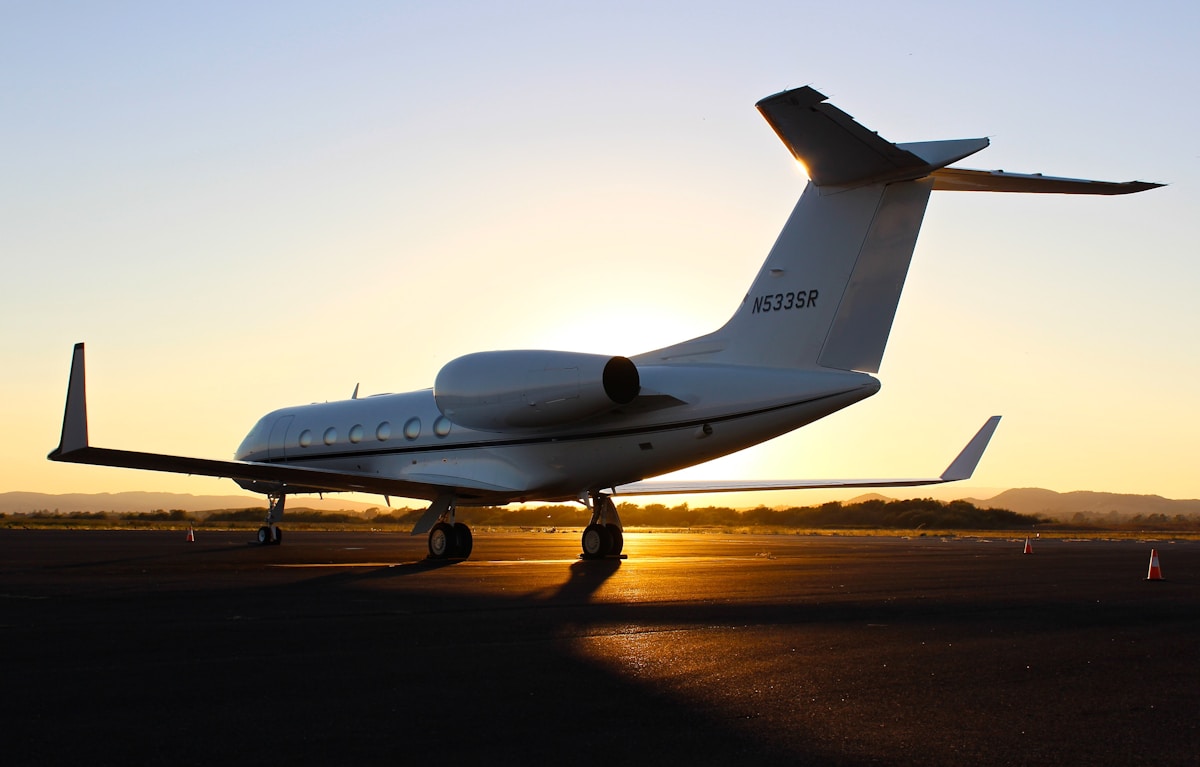
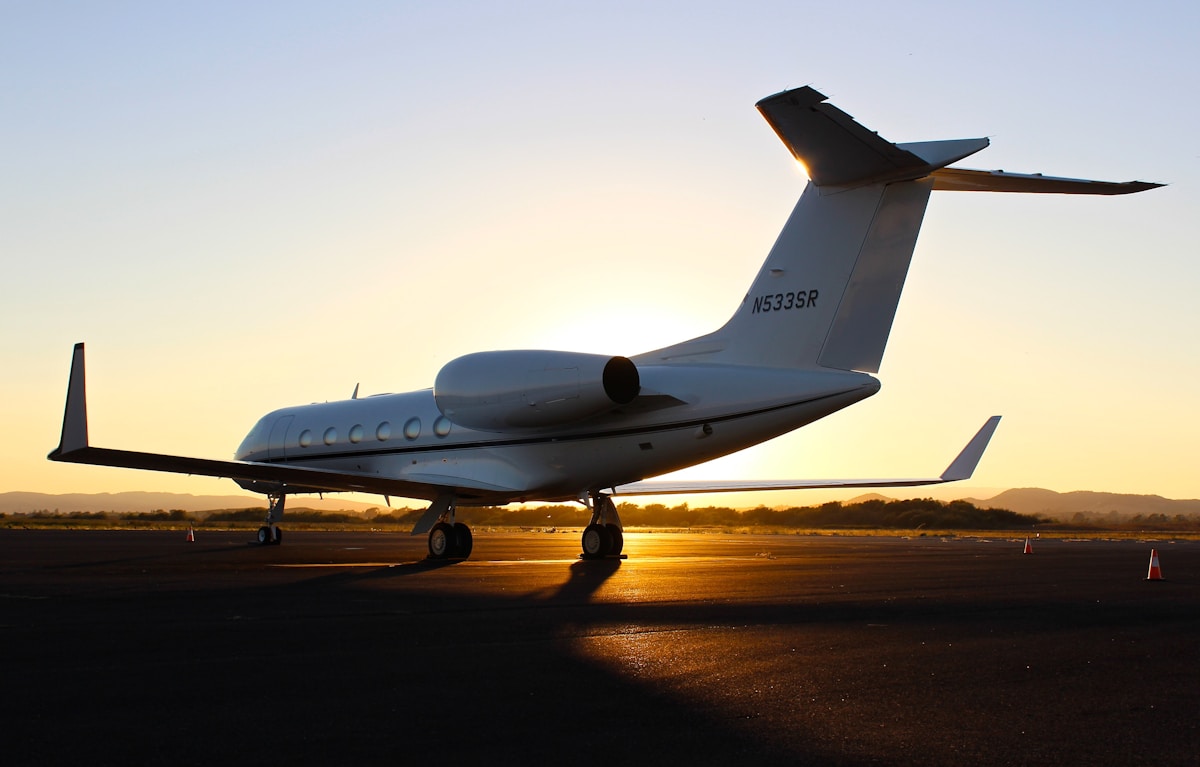
On December 20, 2025, a Beechcraft King Air 200 departed Aspen-Pitkin County Airport in Colorado, climbing through 23,000 feet on what should have been a routine flight to Rocky Mountain Metropolitan Airport in Broomfield. Twenty minutes into the flight, everything changed.
The aircraft experienced a rapid loss of cabin pressurization. Both pilots immediately donned their oxygen masks as the cabin altitude exceeded safe limits. Then the Garmin Emergency Autoland system engaged – and made aviation history.

The First Real-World Autoland Emergency
At approximately 2:00 PM local time, the aircraft squawked 7700 – the universal transponder code signaling a general emergency. But unlike most emergencies, this one was being managed not by a human pilot, but by a computer.
Garmin’s Emergency Autoland system, first certified in 2019, had never been used in a real-world emergency situation until that moment. The technology is designed to detect pilot incapacitation or allow a passenger to manually trigger the system in an emergency. Once activated, it takes complete control of the aircraft.
The system selected Rocky Mountain Metropolitan Airport based on runway length, terrain, weather conditions, and remaining fuel. It navigated the King Air to the airport, communicated with air traffic control using automated voice messages, and performed a fully automated approach and landing on Runway 30.
Everyone on board walked away without injury.
Crew Decision, Not Incapacitation
Initial reports suggested the Autoland activated due to pilot incapacitation, but the truth turned out to be more nuanced – and arguably more impressive.
Buffalo River Aviation, which operates the aircraft, clarified that the flight crew made a conscious decision to activate and allow the Autoland system to take control. Rather than attempting to manage the depressurization emergency manually while dealing with potential hypoxia risks, the crew exercised what the company called “conservative judgment.”
The pilots essentially trusted the computer to land the plane while they focused on the immediate threat of oxygen deprivation. No passengers were on board at the time, and the aircraft returned to service the following day.
How Garmin Autoland Works
The Emergency Autoland system is a remarkably sophisticated piece of technology that essentially turns any equipped aircraft into an autonomous vehicle in emergencies.
When activated, the system:
- Analyzes nearby airports based on runway length, weather, terrain, and fuel
- Selects the optimal landing site
- Takes control of all flight systems including autopilot, throttles, and flaps
- Broadcasts automated messages to air traffic control
- Navigates to the selected airport and performs a full approach
- Lands the aircraft, applies brakes, and shuts down the engines
The entire process requires zero human input once activated. A passenger with no flight training could press the Autoland button and watch as the aircraft flies itself to safety.
Which Aircraft Have Emergency Autoland?
✓ Piper M600/SLS — First production aircraft certified (2020)
✓ Piper M700 Fury — Successor to M600, certified with Autoland
✓ Beechcraft King Air 260 — Twin turboprop, certified 2022
✓ Daher TBM 940 — High-performance turboprop, Garmin G3000 equipped
✓ Cirrus Vision Jet SF50 — Single-engine jet, Gen 2 equipped
✓ Beechcraft Denali — Pending certification with Garmin Autonomi
The system requires the Garmin Autonomi avionics suite (G3000 NXi or G5000 NXi) to function.
Implications for Aviation Safety
This first real-world activation validates years of development and testing. Garmin engineers designed the system specifically for scenarios where the pilot cannot fly – whether due to a medical emergency, hypoxia, or other incapacitation. The Colorado event proved the technology works exactly as intended.
For general aviation, this is a potential game-changer. Single-pilot operations have always carried the risk of medical emergencies with no backup. Autoland offers a safety net that didn’t exist before.
But the technology raises interesting questions. If pilots can choose to hand control to a computer during emergencies, what does that mean for future cockpit design? Could autonomous systems eventually handle routine operations, with humans serving primarily as monitors?
The FAA Investigation
Both the FAA and NTSB have launched investigations into the December 20 event. The FAA confirmed the activation in a statement: “A Beechcraft Super King Air landed safely at Rocky Mountain Metropolitan Airport in Colorado around 2:20 p.m. local time on Saturday, Dec. 20, after the pilot lost communication with air traffic control. An onboard emergency autoland system was activated. Two people were on board.”
The investigation will examine why the depressurization occurred and whether all systems functioned as designed. For Garmin, this real-world validation of their technology will likely accelerate adoption across the general aviation fleet.
Frequently Asked Questions
Can a passenger activate Autoland?
Yes. The system includes a clearly marked button that any person on board can press. Once activated, no further input is required. The aircraft does everything.
Does Autoland work at night or in bad weather?
Yes. The system uses GPS navigation and instrument approaches, so visual conditions are not required. It selects airports factoring in current weather at the destination.
Can the pilot cancel it?
Yes. The pilot can take back control at any time by disengaging the autopilot in the normal manner.
What happens if ATC doesn’t respond to the automated calls?
The system is designed to continue the approach regardless. It will land at the selected airport whether or not it receives a response from air traffic control.
The Bottom Line
December 20, 2025, marks a milestone in aviation automation. A computer successfully landed an aircraft during a real emergency, with human lives at stake. The technology performed flawlessly.
For anyone who has ever wondered whether autonomous flight is ready for prime time, this Colorado King Air has provided a compelling answer. The future of aviation safety may well include computers that can save us when we cannot save ourselves.
Upgrade Your Cockpit Safety
While Autoland handles emergencies, quality communication starts with the right headset. The UFQ A28 ANR Aviation Headset delivers active noise reduction comparable to premium brands at a fraction of the cost. Pilots consistently rate it as the best value ANR headset available.
Features 52dB total noise reduction, 48-hour battery life, and Hi-Fi audio quality. As an Amazon Associate, we earn from qualifying purchases.
Garmin cockpit planning: Autoland is separate from a tablet EFB. Pilots evaluating mobile planning and avionics connectivity should also read our Garmin Pilot versus ForeFlight comparison.
Stay in the loop
Get the latest aircraft insider updates delivered to your inbox.