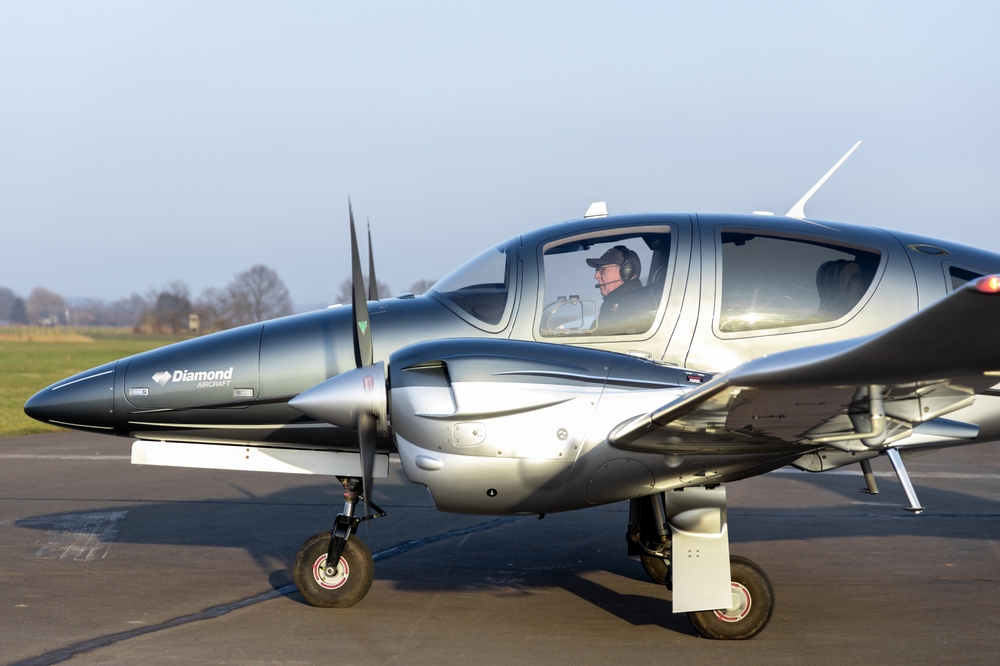
Looking Ahead: Aviation Challenges for 2026
As 2025 ends and 2026 begins, the aviation industry faces a convergence of challenges unlike anything in recent memory. Strong demand collides with constrained supply. Environmental pressures mount while costs climb. And workforce gaps threaten the very capacity to move forward. Here are the three problems that could ground aviation’s ambitions in 2026.
Problem 1: The Production Bottleneck
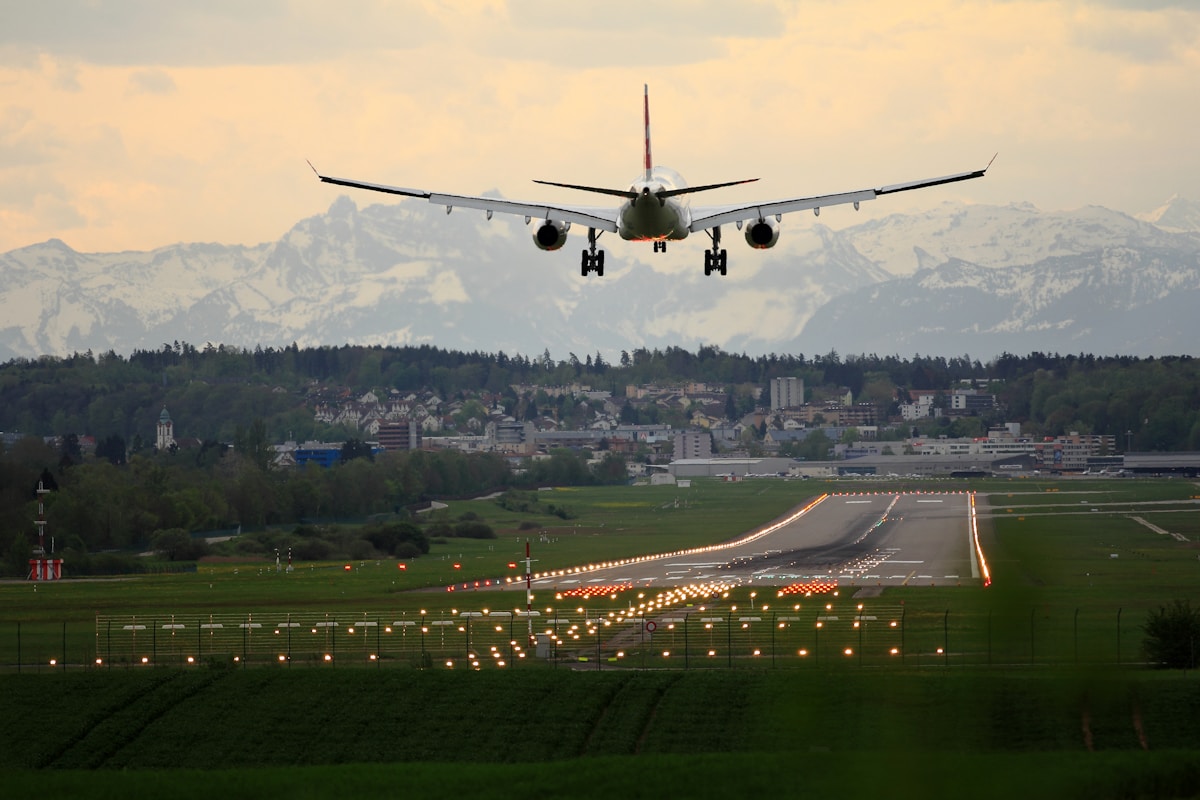
Airlines want aircraft that manufacturers simply cannot deliver. Boeing’s production struggles continue—quality issues, supply chain constraints, and workforce challenges have kept 737 MAX rates well below targets. Airbus fares better but still falls short of ambitious production goals.
The backlog tells the story: over 13,000 aircraft on order across both manufacturers. At current production rates, that’s more than a decade of work. Airlines that ordered aircraft in 2024 won’t see delivery until 2028 or later.
This matters because airline strategies depend on new, efficient aircraft. Fleet renewal drives fuel savings, environmental improvements, and competitive positioning. Every year of delay costs airlines money and slows industry decarbonization.
The supply chain compounds the problem. Engine manufacturers—Pratt & Whitney’s geared turbofan issues, CFM’s powder metal contamination recalls—have forced groundings and delayed deliveries. Tier-2 and tier-3 suppliers struggle to scale after pandemic reductions.
No quick fixes exist. Production rates will increase, but gradually. Airlines must plan around constraints rather than assuming manufacturers will catch up. Some carriers are extending older aircraft in service, accepting higher fuel costs to maintain capacity.
Problem 2: The Workforce Crisis
Every segment of aviation faces workforce challenges. Pilots, maintenance technicians, ground handlers, air traffic controllers—demand exceeds supply across the board.
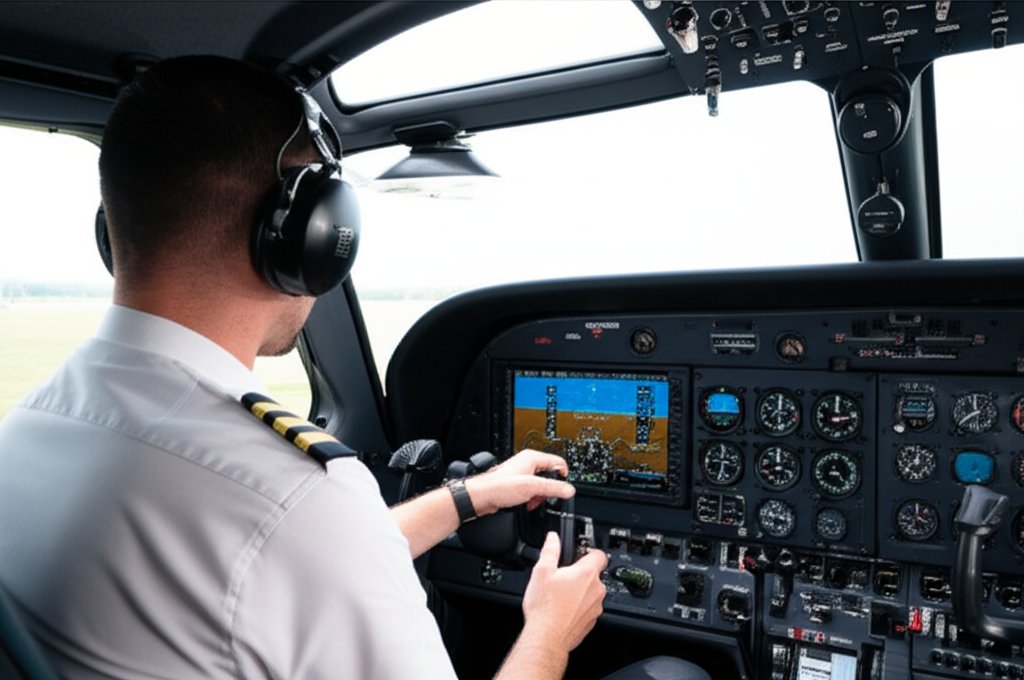
The pilot shortage receives the most attention. Boeing projects the industry needs 649,000 new pilots by 2042—more than twice the current global pilot population. While major airlines can attract candidates with competitive pay and benefits, regional carriers and cargo operators struggle to fill cockpits.
Training pipelines can’t produce pilots fast enough. Flight schools face their own instructor shortages. The traditional pathway—building hours as a flight instructor before moving to regional carriers—creates a bottleneck that restricts overall throughput.
Maintenance technicians present perhaps a more critical gap. The work is demanding, the training is extensive, and retirement rates exceed new entrants. Aircraft sitting on the ground awaiting maintenance represent lost revenue and frustrated passengers.
Air traffic control faces similar demographics. Experienced controllers are retiring, and training new controllers takes years. Some facilities operate below optimal staffing, leading to flow control and delays.
Solutions require long-term investment in training infrastructure, competitive compensation, and pathways that attract diverse candidates to aviation careers. The industry is responding, but workforce development moves slowly.
Problem 3: The Sustainability Squeeze
Regulatory pressure on emissions will intensify in 2026. The EU’s emissions trading system expands. CORSIA offsets become mandatory for international routes. National regulations pile on additional requirements.
Sustainable aviation fuel remains the primary near-term solution, but production lags demand. SAF costs 3-4 times more than conventional jet fuel. Airlines committed to environmental goals must absorb these premiums—or pass them to passengers.
The economics create tension. Environmental commitments are genuine, but airlines operate on thin margins. Every dollar spent on expensive fuel is a dollar not available for wages, aircraft orders, or fare reductions. Balancing stakeholder expectations will test leadership across the industry.
New aircraft help—modern engines burn 15-20% less fuel than predecessors—but the production constraints discussed above limit fleet renewal speed. Airlines can’t buy their way to sustainability if they can’t buy aircraft.
The Compound Effect
These three challenges interact in problematic ways. Production delays slow fleet modernization that would reduce emissions and cut costs. Workforce constraints limit MRO capacity needed to keep aging fleets airworthy. Sustainability investments compete for capital needed to train workers and fund aircraft deposits.
Airlines that navigate this complexity successfully will emerge stronger. Those that stumble on any dimension may find themselves in survival mode rather than growth mode.
The Bottom Line
Aviation enters 2026 with strong demand and significant constraints. Success requires balancing growth with sustainability, expansion with quality, and innovation with reliability. The industry has managed such challenges before—but rarely so many simultaneously. The next twelve months will test whether aviation can deliver on its promises while working within its limitations.
Stay in the loop
Get the latest aircraft insider updates delivered to your inbox.