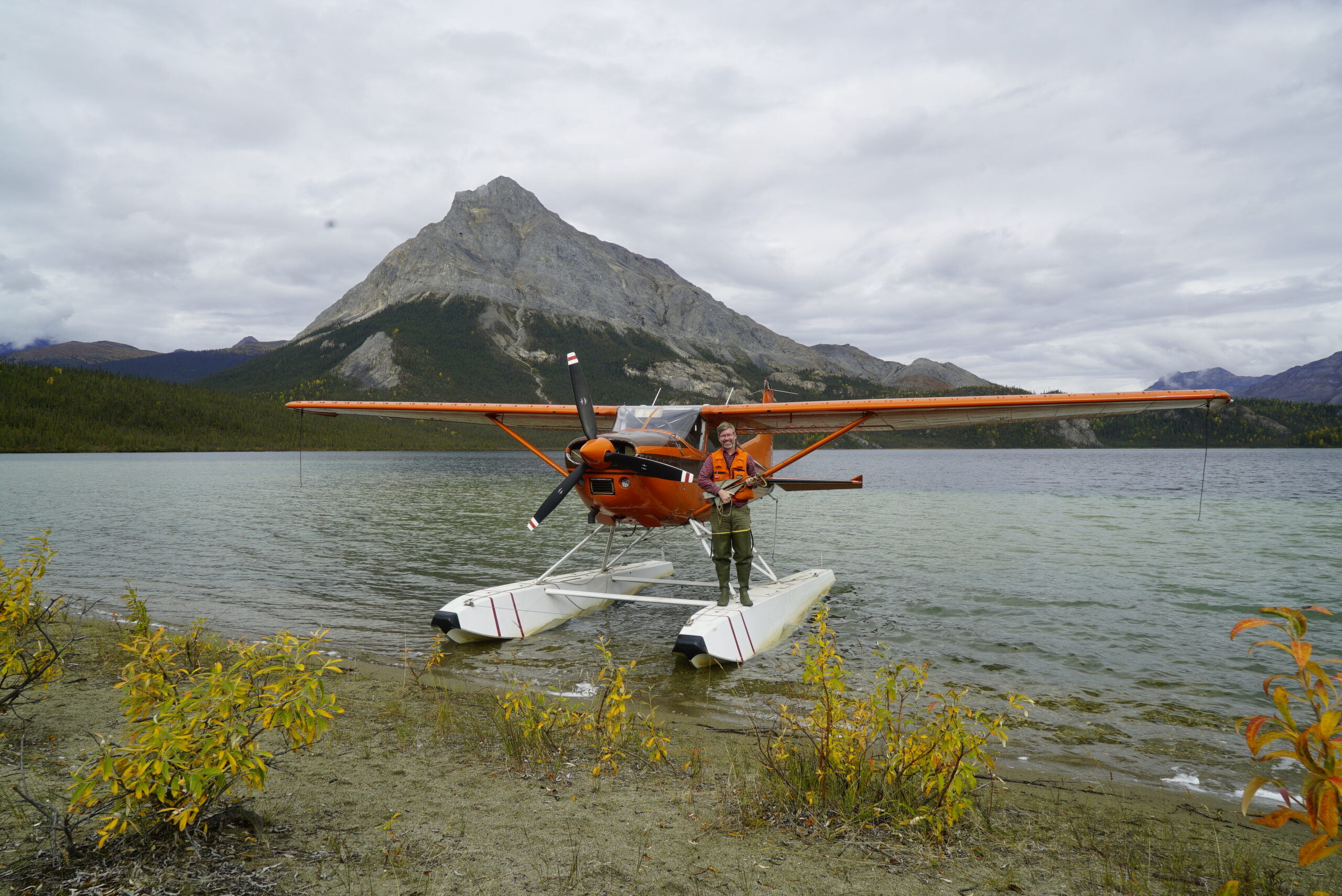
What Is Backcountry Flying?
Backcountry flying represents the purest form of aviation adventure – landing on remote wilderness strips, accessing fly-in only destinations, and experiencing terrain that few pilots ever see. From Idaho’s legendary canyon strips to Montana’s wilderness airfields, backcountry flying offers unmatched freedom and challenge.
This guide covers everything you need to know: the best backcountry destinations, aircraft recommendations, essential skills, and practical tips from experienced mountain pilots.
Idaho Backcountry Strips
Idaho is the undisputed capital of backcountry flying in the United States, with more wilderness airstrips than any other state. The Frank Church Wilderness alone contains dozens of legendary strips.
- Johnson Creek Airport – Idaho’s most challenging strip, requiring precise short-field technique
- Big Creek – Year-round backcountry hub with camping and hiking access
- Sulphur Creek – Secluded hot springs destination in the wilderness
- Smiley Creek – Remote strip near the Sawtooth Mountains
- McCall Airport – Premier mountain flying destination and gateway to the backcountry
- Sun Valley Aviation – Idaho’s premier FBO for backcountry pilots
For a visual tour of the most extreme strips, see our video guide: 5 Most INSANE Backcountry Strips in Idaho.
Montana Wilderness Airstrips
Montana’s Bob Marshall Wilderness and surrounding areas offer spectacular backcountry flying with longer runways and dramatic mountain scenery.
- Schafer Meadows – Montana’s premier wilderness airstrip in the Bob Marshall
Pacific Northwest Destinations
Oregon and Washington offer unique fly-in destinations ranging from mountain strips to coastal airports.
- Stehekin, Washington – Fly-in only mountain town accessible only by air or boat
- Minam Lodge, Oregon – Fly-in only wilderness resort
- Hood River Airport, Oregon – Scenic Columbia Gorge gateway
California & Southwest
From desert oases to island getaways, the Southwest offers diverse backcountry experiences.
- Catalina Airport – California’s famous island getaway, the “Airport in the Sky”
- Kern Valley Airport – California’s desert oasis
- Owyhee Reservoir, Nevada – Remote desert strip
Challenging Mountain Airports
These airports require special training and preparation due to high altitude, terrain, or approach challenges.
- Friedman Memorial (Aspen) – High-altitude challenge requiring special authorization
Best Backcountry Aircraft
Choosing the right aircraft is critical for backcountry operations. STOL capability, rugged landing gear, and power-to-weight ratio matter most.
- Complete Guide to Buying a Backcountry Aircraft – Everything you need to know before purchasing
- Best Backcountry Planes Under $100K – Affordable options for wilderness flying
- Cub Crafters Carbon Cub Guide – The modern backcountry icon
Fly-In Dining
The famous “$100 hamburger” tradition is alive and well. Combine your backcountry adventure with great food:
- Best Fly-In Restaurants 2025 – Where to find the best $100 hamburger
Getting Started with Backcountry Flying
Before attempting backcountry operations, pilots should:
- Get proper training – Mountain flying and backcountry courses are essential
- Start with easier strips – McCall and Big Creek before Johnson Creek
- Fly with a mentor – Your first backcountry flights should be with an experienced pilot
- Know your aircraft – Understand performance limitations at altitude and short fields
- Check density altitude – High elevation strips require careful planning
Related training resources:
- Mountain Weather for Pilots – Essential weather interpretation skills
- Understanding Aircraft Weight and Balance – Critical for short field operations
Plan Your Adventure
Ready to explore the backcountry? Start with the destinations above, get proper training, and experience aviation’s greatest adventure. For more pilot resources, explore our Aviation Training section.
Stay in the loop
Get the latest aircraft insider updates delivered to your inbox.