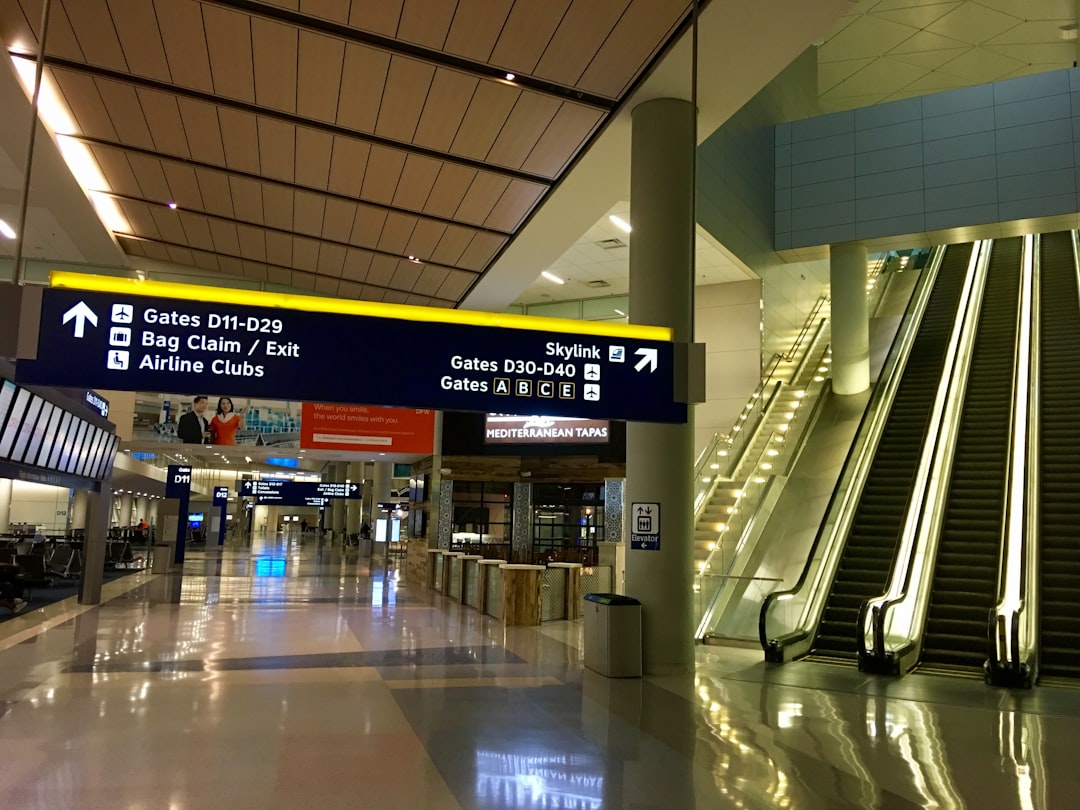
Picking between Osaka’s two airports has gotten confusing with all the conflicting travel advice floating around. As someone who has flown through both ITM and KIX more times than I can count, I learned everything there is to know about how these two airports actually compare. Today, I will share it all with you.
But what is the real difference between ITM and KIX? In essence, it comes down to one simple fact: ITM is domestic-only, and KIX handles international flights. But it’s much more than that — location, cost, transit time, and facilities all play into which one makes sense for your specific trip.
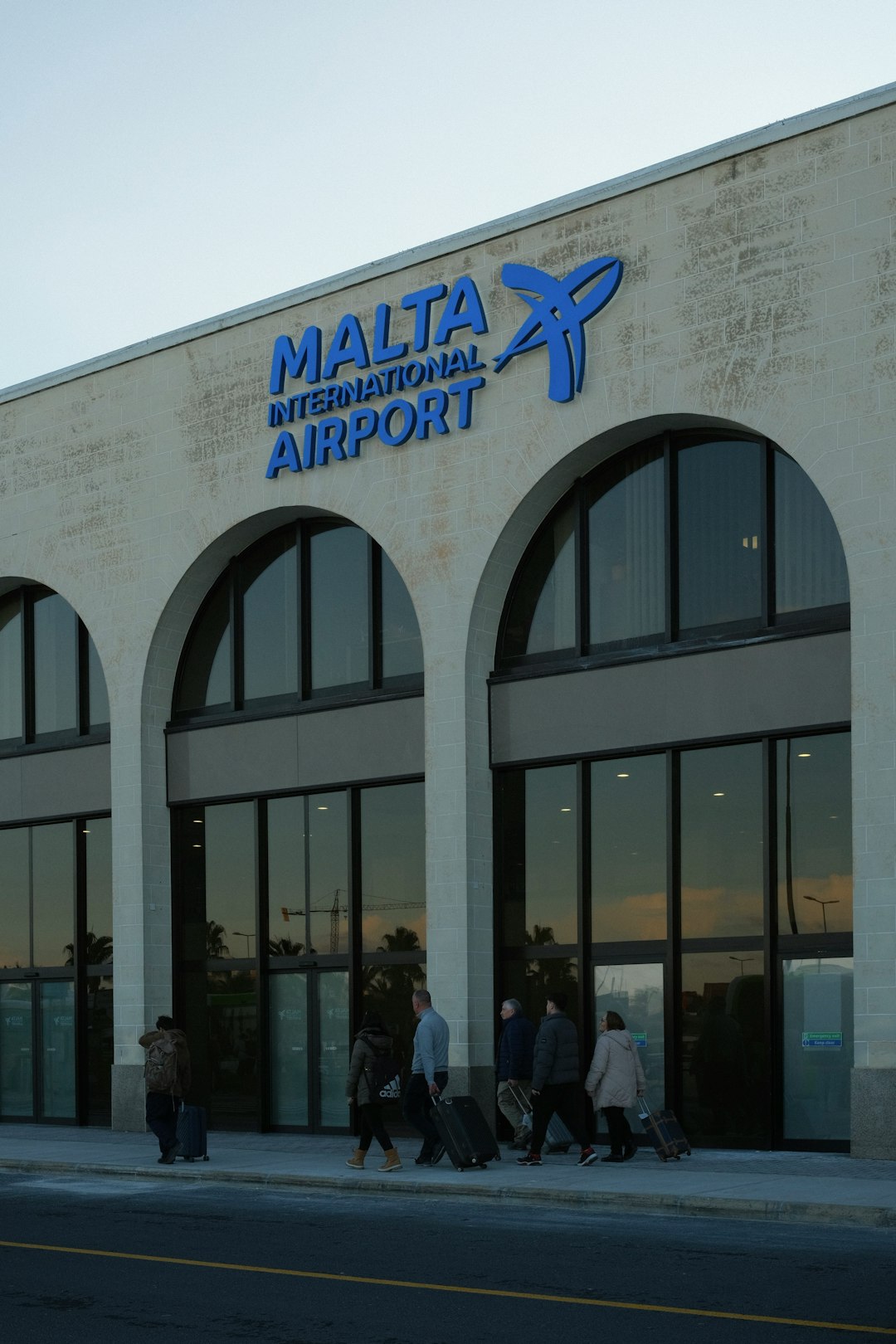
Overview: ITM vs KIX at a Glance
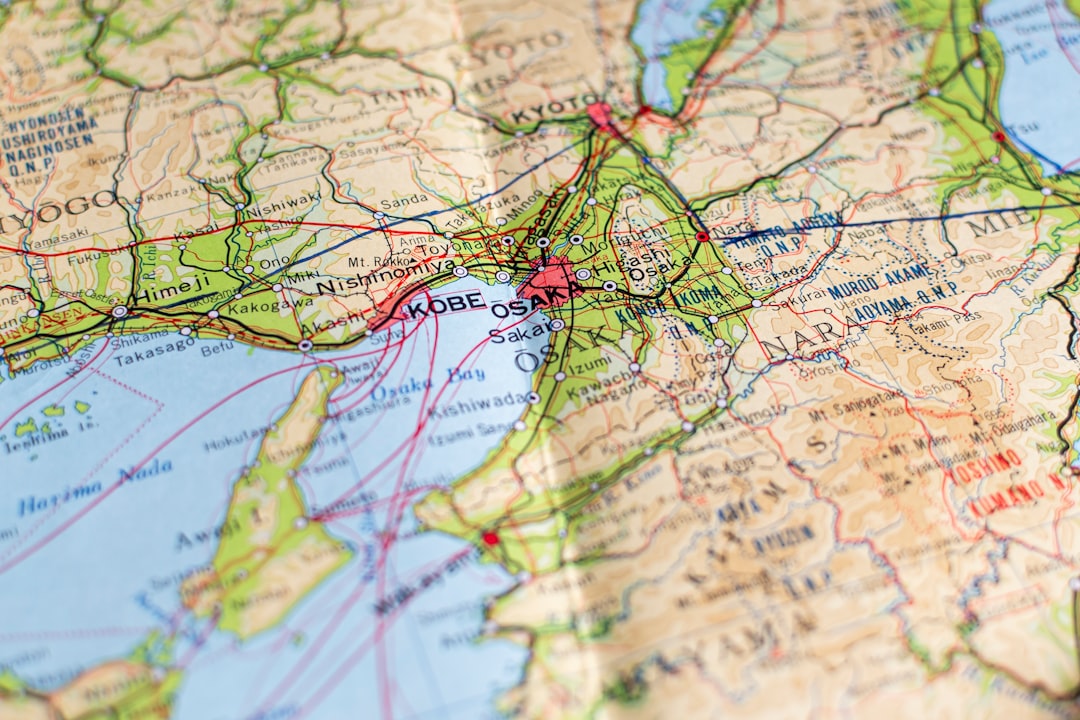
Osaka International Airport (ITM/Itami):
- Location: 15 km (9 miles) north of Osaka city center
- Type: Domestic-only airport (international flights ended in 1994)
- Annual passengers: Approximately 17 million
- Runways: 2
- IATA code: ITM (also called Osaka-Itami or simply Itami)
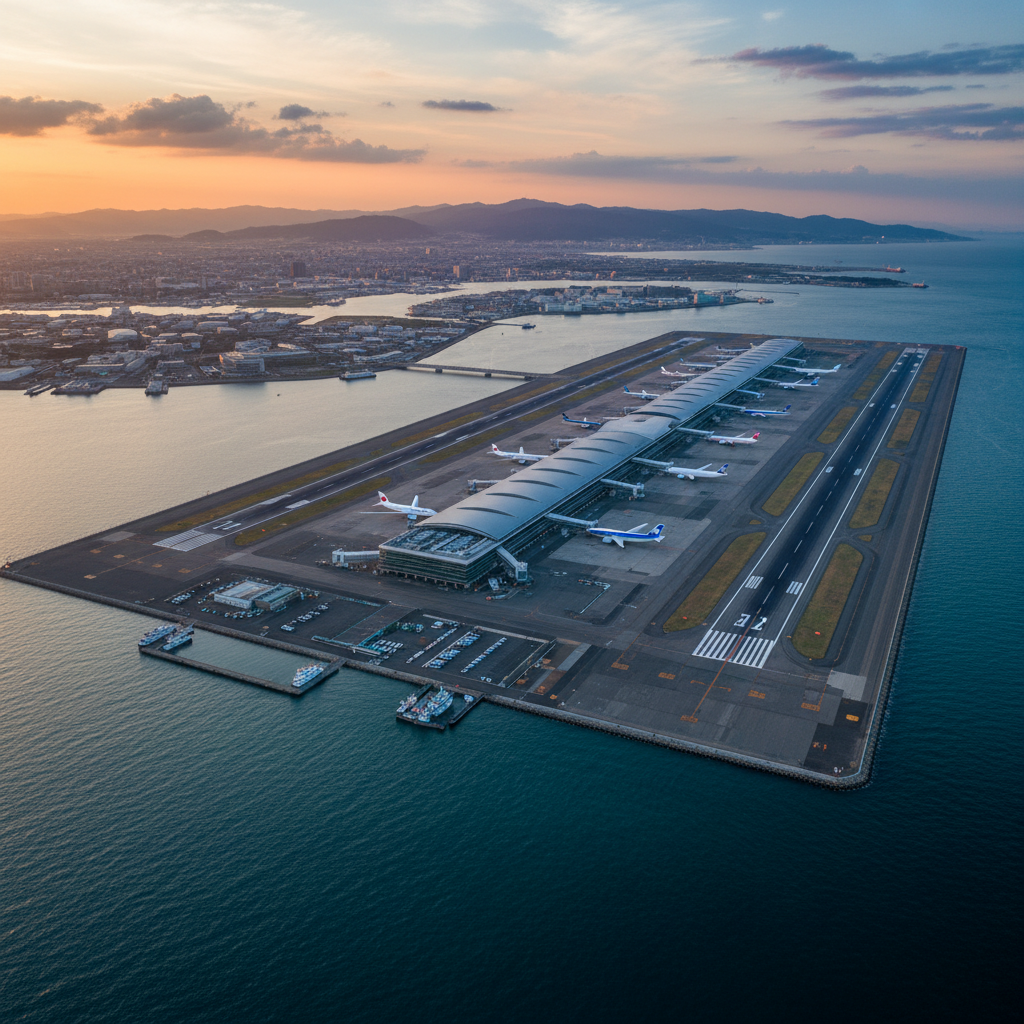
Kansai International Airport (KIX):
- Location: 50 km (31 miles) south of Osaka, on an artificial island in Osaka Bay
- Type: International and domestic hub
- Annual passengers: Approximately 30 million (pre-pandemic levels)
- Runways: 2
- IATA code: KIX
Location and Geography
Osaka International Airport (ITM)
Despite the “International” in the name — a legacy from when it actually served international routes — ITM is located in Itami City, just north of Osaka proper. It sits in a densely populated urban area, which is simultaneously its biggest advantage and the reason it had to give up international flights: the noise complaints eventually won.
Transit times from ITM to major destinations:
- Osaka (Umeda): 30 minutes by bus
- Kyoto: 55 minutes by bus
- Kobe: 40 minutes by bus
- Nara: Approximately 90 minutes
Kansai International Airport (KIX)
KIX was built on an artificial island in Osaka Bay specifically to allow 24-hour operations without bothering anyone trying to sleep. Frustrated by the noise restrictions at Itami that were strangling international capacity, Japan’s aviation planners spent billions constructing this island from scratch. The project took roughly two decades from concept to first landing, and the airport opened in 1994 — the same year ITM handed over its last international routes.
Transit times from KIX to major destinations:
- Osaka (Umeda/Namba): 45-70 minutes by train
- Kyoto: 75-90 minutes by train
- Kobe: 70 minutes by train
- Nara: Approximately 90-120 minutes
Transportation and Access
Getting to/from ITM (Itami Airport)
By Bus:
The limousine bus network is the primary way most people move between ITM and the city. Routes run frequently and cover the major destinations throughout Kansai:
- To Osaka Station (Umeda): ¥640, 25-30 minutes
- To Kyoto Station: ¥1,340, 50-55 minutes
- To Kobe (Sannomiya): ¥1,070, 40 minutes
- To Namba: ¥640, 30 minutes
Buses depart every 15-20 minutes during peak hours and drop you directly at major hotels and stations. I’m apparently someone who will pay a small premium to avoid transferring between rail lines, and the direct bus works for me while the monorail option — though cheaper — never quite feels worth the fuss.
By Monorail and Train:
The Osaka Monorail connects ITM to the broader rail network:
- Take the monorail to Hotarugaike Station (2 minutes, ¥200)
- Transfer to Hankyu Railway for Osaka (Umeda) or Kyoto
- Total time to Umeda: 35-40 minutes
- Total cost to Umeda: ¥470
By Taxi:
- To Osaka city center: ¥3,500-5,000, 20-30 minutes
- To Kyoto: ¥10,000-12,000, 40-60 minutes
Getting to/from KIX (Kansai Airport)
By Train (Recommended for speed):
KIX offers multiple rail options — the Nankai and JR West both connect from the airport terminal:
Nankai Railway:
- Rapi:t Limited Express to Namba: ¥1,450, 34 minutes
- Airport Express to Namba: ¥930, 43 minutes
JR West:
- Haruka Limited Express to Kyoto: ¥3,430, 75 minutes (direct)
- Haruka to Tennoji/Shin-Osaka: ¥1,710-2,380, 30-50 minutes
- Kansai Airport Rapid to Osaka Station: ¥1,210, 65 minutes
By Bus:
- To Osaka (Umeda): ¥1,600, 50-80 minutes (traffic dependent)
- To Kyoto Station: ¥2,600, 85-120 minutes
- To Kobe: ¥2,000, 65-90 minutes
By Taxi:
- To Osaka city center: ¥15,000-20,000, 50-70 minutes
- To Kyoto: ¥20,000-25,000, 90+ minutes
Flight Options and Destinations
ITM (Itami) Flight Network
ITM is exclusively domestic — has been since 1994. If you’re flying within Japan, it’s your first choice. The route to Tokyo Haneda alone accounts for a staggering volume of daily flights:
- Tokyo (Haneda): Extremely frequent service (30+ flights daily), primarily JAL and ANA
- Sapporo (New Chitose): Multiple daily flights
- Fukuoka: 10+ daily flights
- Okinawa (Naha): 5-7 daily flights
- Sendai, Kagoshima, Matsuyama, and other regional cities
About 30 domestic destinations with roughly 200 daily departures total. JAL and ANA dominate operations here.
KIX (Kansai) Flight Network
KIX handles both international and domestic routes, with over 100 international destinations worldwide:
International Destinations:
- Major Asian hubs: Seoul, Shanghai, Hong Kong, Singapore, Bangkok, Taipei
- North America: Los Angeles, San Francisco, Seattle, Vancouver, Honolulu
- Europe: London, Paris, Frankfurt, Helsinki
- Oceania: Sydney, Melbourne
- Middle East: Dubai, Istanbul
Domestic Destinations:
- Tokyo (Haneda and Narita): Multiple daily flights
- Sapporo, Fukuoka, Okinawa, and other major cities
Airport Facilities and Amenities
ITM (Itami) Facilities
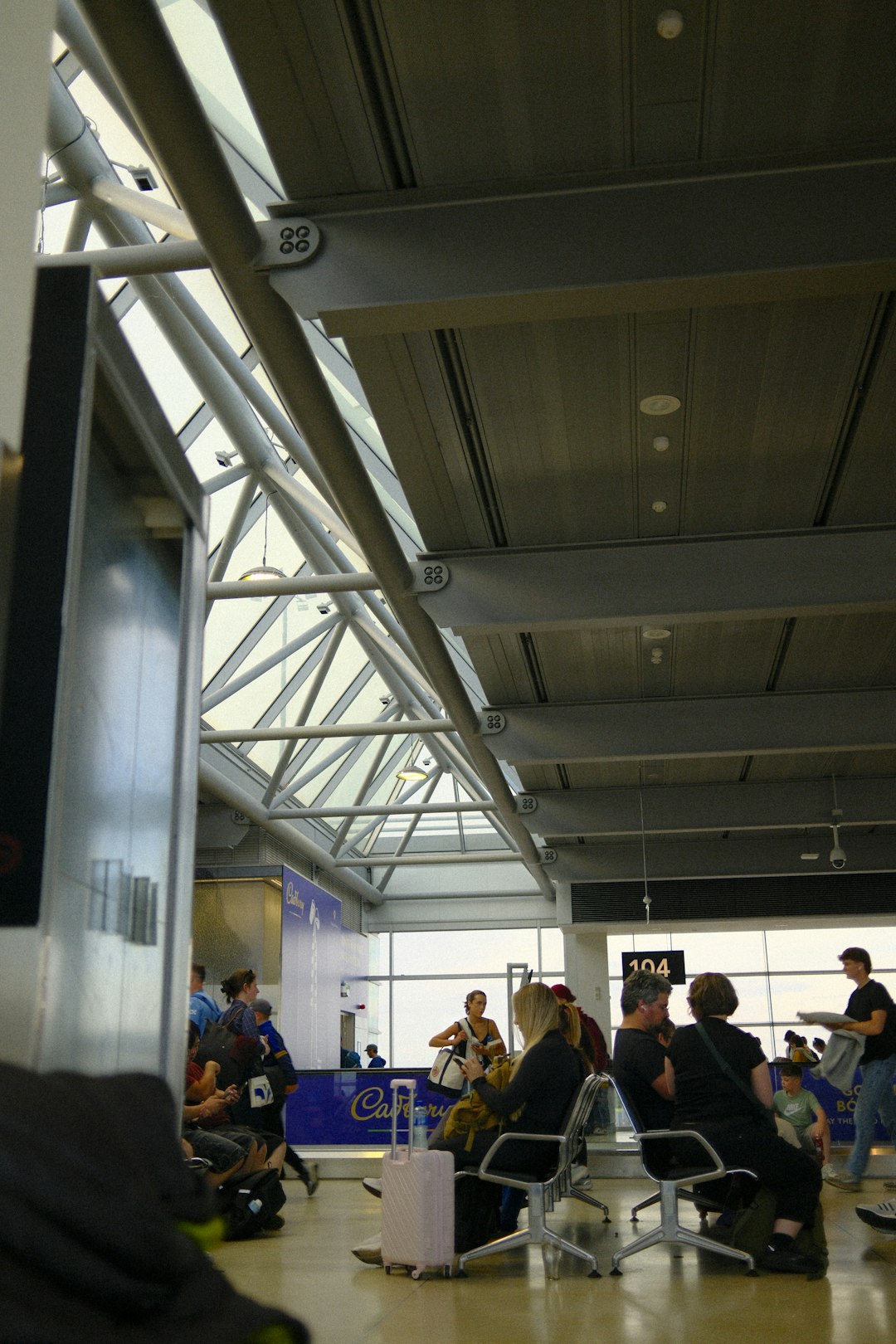
ITM runs two terminals split between Japan’s two main domestic carriers — which makes navigation refreshingly simple:
North Terminal: JAL and affiliated airlines
South Terminal: ANA and affiliated airlines
- Restaurants and cafes (approximately 20 options)
- No duty-free shopping (domestic-only airport)
- Free Wi-Fi throughout
- Prayer rooms
- Children’s play areas
- Observation decks with good aircraft viewing
- Business lounges (JAL Sakura Lounge, ANA Lounge)
The airport is compact and easy to navigate. Short walking distances and efficient security screening are probably the two things regular travelers mention most often. That’s what makes ITM endearing to domestic business travelers — it treats your time like it actually matters.
KIX (Kansai) Facilities
KIX is a different scale entirely — two terminals, hundreds of shops, and 24-hour operations mean it functions more like a small city than an airport:
Terminal 1: International and domestic flights (JAL, ANA, major international carriers)
Terminal 2: Budget airlines (Peach, Jetstar, Spring Airlines)
- Extensive shopping (200+ shops including duty-free)
- Dining options (100+ restaurants and cafes)
- Free Wi-Fi throughout
- Shower facilities
- Capsule hotels and rest areas
- Multiple observation decks
- Children’s play areas
- Prayer rooms and multi-faith facilities
- Numerous airline lounges
- 24-hour operation
Cost Comparison
Transportation Costs
To Osaka City Center (Umeda/Namba):
- ITM: ¥640 by bus (cheapest option), ¥470 by train
- KIX: ¥930-1,450 by train, ¥1,600 by bus
- Savings with ITM: ¥290-1,000 per person each way
To Kyoto:
- ITM: ¥1,340 by bus
- KIX: ¥3,430 by Haruka Express, ¥2,600 by bus
- Savings with ITM: ¥1,260-2,090 per person each way
For a family of four making a round trip between ITM and Kyoto versus KIX and Kyoto, you’re looking at a real difference of ¥10,000-16,000. That’s not trivial — that’s a nice dinner.
Flight Costs
- ITM sometimes carries slightly higher fares due to its convenience premium
- KIX’s Terminal 2 (budget airlines) can offer significantly cheaper domestic options
- International flights are only available from KIX
Which Airport Should You Choose?
Choose ITM (Itami) If:
- You’re flying domestically within Japan — ITM’s exclusive domain
- You’re staying in central Osaka — proximity saves time and money
- You’re visiting Kyoto or Kobe — ITM offers faster, cheaper access to both
- You value convenience over facilities — shorter commute outweighs fewer amenities
- You have limited time — quick airport access maximizes sightseeing hours
- You’re traveling with family — lower transit costs add up fast for groups
- You prefer a smaller, easier-to-navigate airport — ITM is compact and efficient
Choose KIX (Kansai) If:
- You’re flying internationally — KIX is your only option
- You need to connect from international to domestic flights — KIX handles both under one roof
- You’re flying on a budget airline (Peach, Jetstar) — these primarily operate from KIX Terminal 2
- You want extensive shopping and dining — KIX offers far more variety
- You have an early morning or late night flight — KIX operates 24 hours
- You need overnight facilities — KIX has capsule hotels and proper rest areas
Traveler Type Recommendations
Business Travelers
Domestic business: ITM is the clear choice. The difference between a 30-minute airport commute and a 60-70-minute one can determine whether you make a morning meeting or apologize for being late. Most business hotels cluster around Umeda, which is ITM’s backyard.
International business: KIX handles this, and it does so well — comprehensive lounges, good rail connections, and facilities that work for late arrivals or early departures.
Budget Travelers
For domestic flights, ITM’s lower ground transportation costs give it the edge. For budget airline options, KIX’s Terminal 2 may offset higher transit costs with lower airfares — worth checking the math before assuming ITM is always cheaper overall.
Families with Children
ITM generally wins for families. Shorter travel times reduce stress on kids, the compact layout makes managing strollers and luggage easier, and lower transportation costs matter more when you’re buying multiple tickets. Both airports have play areas, but ITM’s compact scale keeps everything within easy reach.
First-Time Visitors to Japan
You’ll arrive internationally at KIX. The Haruka Express or Nankai Rapi:t give you a smooth introduction to Japan’s rail system. Once you’re settled in Japan, if you’re flying domestically anywhere, check whether ITM might be the better departure point — it usually is for Osaka-area travelers.
Special Considerations
Connection Times
- Within KIX: Allow 90-120 minutes for international to domestic connections
- KIX to ITM: Allow minimum 4-5 hours between flights — not recommended unless you have no alternative
Weather and Disruptions
- ITM: Noise restrictions mean no flights after 9:00 PM — late delays can become cancellations
- KIX: As an island airport, strong winds occasionally cause disruptions; typhoon-related flooding has been a concern historically
Luggage and Shopping
- KIX offers superior duty-free shopping for international departures
- Both airports have luggage delivery services to and from hotels (takkyubin)
- ITM’s compact layout makes managing bags easier
Conclusion: Making Your Decision
The ITM vs. KIX decision is simpler than most travel guides make it sound. If you’re flying internationally, you’re using KIX — full stop. If you’re flying domestically, ITM is almost always the better choice: closer, cheaper to reach, and faster to get through.
Most visitors to the Kansai region will end up using both airports during a trip — arriving at KIX from abroad and departing domestically from ITM, or vice versa. That combination typically produces the best overall experience: the international convenience of KIX when you need it, and the time-saving proximity of ITM for domestic connections.

Stay in the loop
Get the latest aircraft insider updates delivered to your inbox.