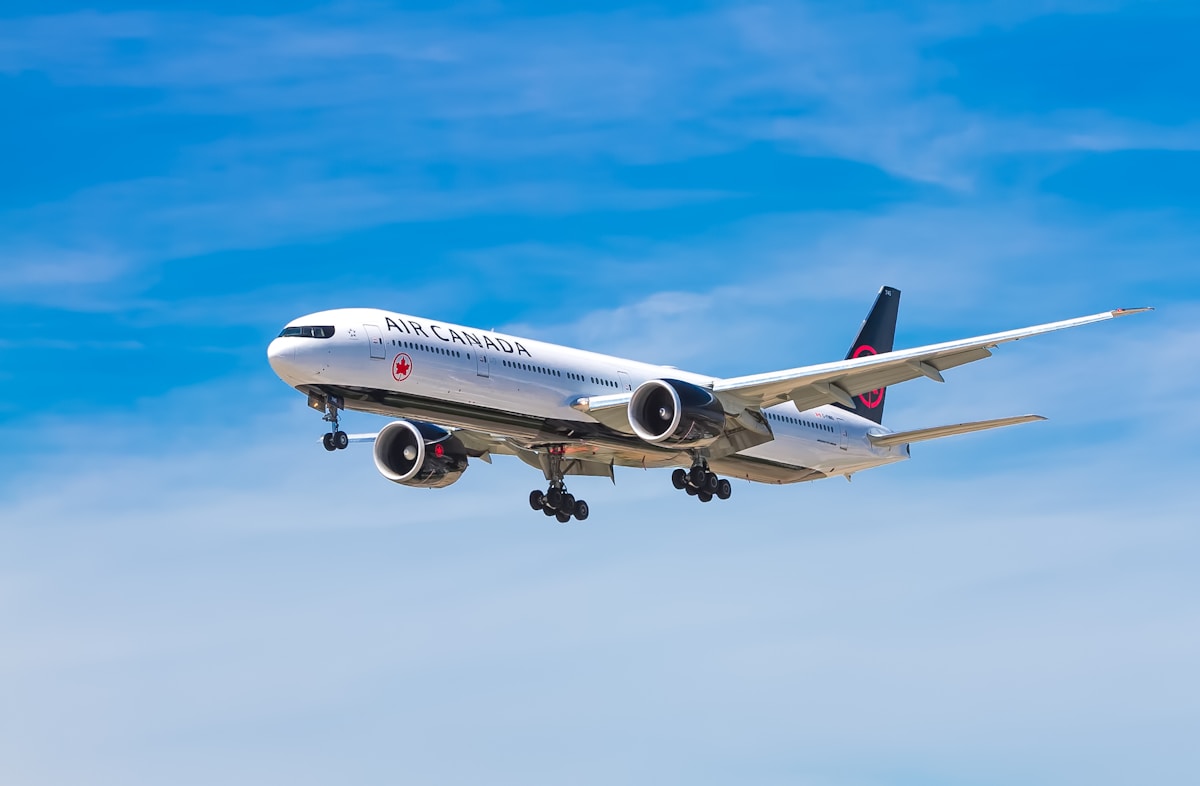
Ronald Reagan Washington National Airport has installed new surface radar designed to help controllers see aircraft and ground vehicles in poor weather and low visibility. The technology upgrade arrives as airports and regulators face intense scrutiny over runway incursions and close calls.
The Federal Aviation Administration announced the installation on August 14, 2026. DCA is the fifth U.S. airport to receive the Surface Movement Radar Model 4, following a new installation at Newark Liberty International Airport earlier in the same week.
What the radar actually watches
Air traffic control does not end when an aircraft touches the runway. Controllers must track airplanes, airport vehicles and other movement across a complex network of runways and taxiways—even at night, in rain or when visibility is poor.
Surface movement radar provides a live picture of that ground traffic. The FAA says the new SMR-4 allows controllers to track aircraft and vehicles in all weather and visibility conditions, improving their ability to detect developing runway conflicts.
It is not an autonomous system that takes control of an aircraft, and it does not eliminate the need for pilots, vehicle operators and controllers to follow clearances. It gives controllers a better surveillance picture from which to make decisions.
Why DCA is an unusually demanding airport
Reagan National operates in tightly constrained airspace near Washington, D.C., with limited physical room and heavy airline traffic. Its runways and taxiways sit beside the Potomac River, while security-sensitive airspace and nearby airports add operational complexity.
That makes accurate ground surveillance particularly valuable. A vehicle or aircraft entering an active runway without authorization can create a runway incursion, and poor visibility reduces the usefulness of direct visual observation from the control tower.
The radar is part of a larger technology overhaul
The FAA says DCA has replaced 67 percent of its copper wiring with high-speed fiber, moved from paper to electronic flight strips and installed new radios for controller-pilot communication. The radar therefore sits inside a broader modernization effort rather than functioning as a standalone fix.
The installation also follows the FAA’s work with new software intended to identify safety trends and reduce airport close calls. Read our related report on the FAA’s use of Palantir technology to analyze runway-incursion risk.
Can new radar prevent every runway incursion?
No single sensor can do that. Surface safety depends on correct clearances, accurate readbacks, airport markings, crew awareness, vehicle discipline, surveillance, alerts and timely controller intervention. Radar can expose a conflict sooner, but people and procedures still determine what happens next.
The important change is visibility: controllers can make better decisions when they have a more precise picture of traffic moving on the airport surface, particularly when fog, darkness or heavy precipitation makes visual tracking difficult.
The bottom line
DCA’s new radar is not flashy passenger technology, but it addresses one of aviation’s most unforgiving environments—the moment multiple aircraft and vehicles share intersecting pavement. The fifth SMR-4 installation also suggests the FAA is moving from isolated testing toward a broader airport deployment.
Primary source: FAA announcement, August 14, 2026. Details were checked August 23, 2026.
Stay in the loop
Get the latest aircraft insider updates delivered to your inbox.