Hard Landing Grounds the Game-Changer
Just days after American Airlines celebrated the first U.S. A321XLR flight with champagne and water cannons, Aer Lingus received a stark reminder that even revolutionary aircraft aren’t immune to operational challenges. One of the airline’s A321XLRs suffered a severe hard landing in Dublin on December 13, 2025, experiencing forces so extreme that the landing gear requires complete replacement.
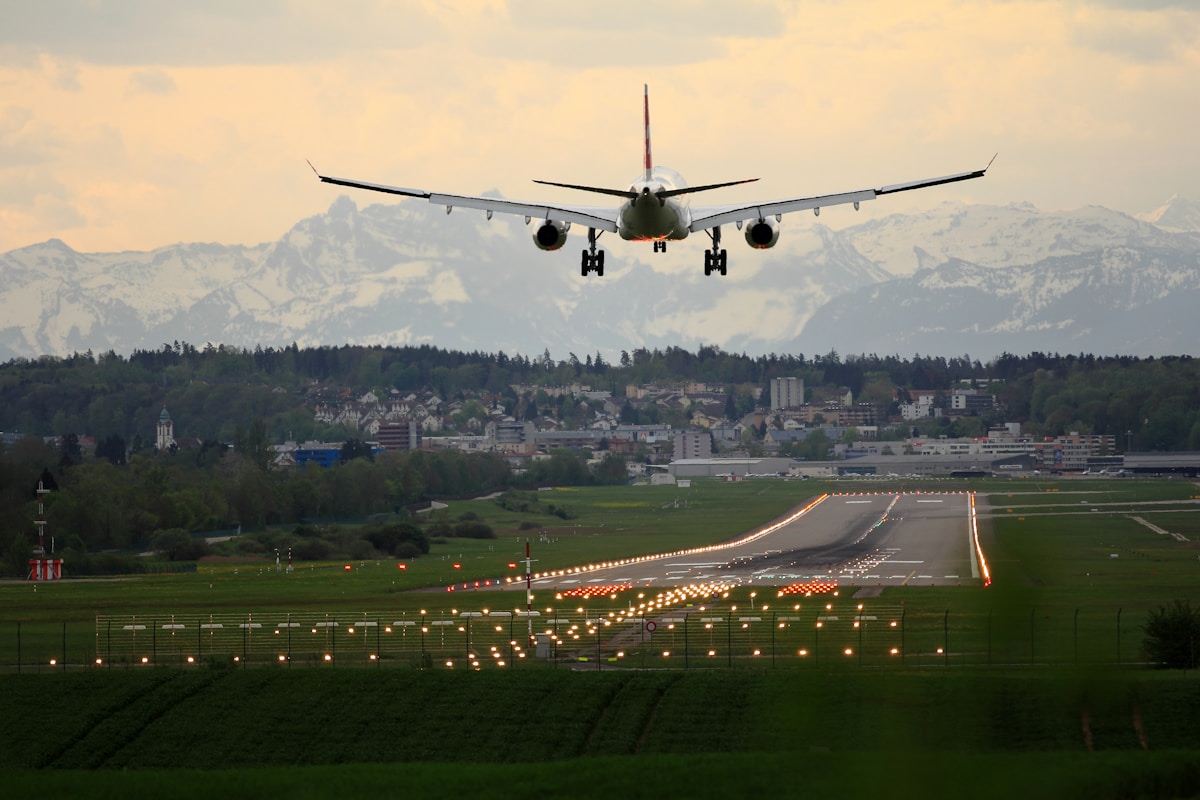
The incident has grounded the aircraft – registration EI-XLT – for multi-million dollar repairs, casting a brief shadow over the A321XLR’s otherwise triumphant entry into commercial service.
What Happened in Dublin
According to investigators, the Aer Lingus A321XLR touched down at Dublin Airport with an impact force of approximately 3.3G – well above the normal range for a commercial landing. While passengers and crew were unharmed, the landing gear sustained damage beyond simple repair.
A normal airline landing typically generates forces between 1.0 and 1.5G. Anything above 2.0G is considered a hard landing requiring inspection. At 3.3G, the aircraft essentially slammed onto the runway with enough force to damage structural components designed to absorb far gentler impacts.
The aircraft has remained on the ground at Dublin Airport since the incident, awaiting the specialized work needed to return it to service.
One of the First A321XLRs Delivered
What makes this incident particularly notable is the aircraft’s newness. EI-XLT was one of the first two A321XLRs delivered to Aer Lingus in late 2024, part of the airline’s strategy to expand transatlantic routes to smaller U.S. markets.
The A321XLR’s extended range allows Aer Lingus to profitably serve destinations that couldn’t support larger widebody aircraft. Routes like Dublin-Savannah or Shannon-Hartford become economically viable when you only need to fill 180 seats instead of 300.
Losing one of just two A321XLRs in the fleet – even temporarily – impacts Aer Lingus’s ability to operate these thin routes during the busy winter travel season.
What Caused the Hard Landing?
The investigation into the December 13 landing is ongoing, and authorities have not identified a definitive cause. Hard landings can result from various factors:
- Weather conditions: Wind shear, gusty crosswinds, or turbulence near the runway
- Pilot technique: Incorrect approach speed, improper flare timing, or misjudged altitude
- Equipment issues: Problems with flight controls, sensors, or automation
- Aircraft characteristics: New type-specific handling that pilots are still learning
Dublin Airport experiences challenging weather conditions regularly, with strong Atlantic winds and rain affecting approaches. However, Irish pilots are among the most experienced in the world at handling these conditions.
The Repair Challenge
Replacing landing gear on a brand-new aircraft type presents unique challenges:
- Parts availability: The A321XLR has only been in service for a year, limiting the spare parts inventory
- Specialized expertise: Technicians must be trained on the new type’s specific systems
- Certification: All repairs must meet Airbus and regulatory specifications
- Return to service: Extensive testing required before the aircraft can fly again
Impact on Aer Lingus Operations
With one of two A321XLRs grounded, Aer Lingus has been forced to adjust schedules. The airline’s transatlantic expansion plans depend heavily on the new type’s extended range capabilities.
The timing is particularly unfortunate, coming during the lucrative Christmas and New Year travel period when demand for transatlantic flights peaks. Substitute aircraft – if available – may not offer the same economics or passenger experience.
The Bottom Line
The Aer Lingus hard landing serves as a reminder that even revolutionary aircraft face real-world operational challenges. The A321XLR’s game-changing range doesn’t make it immune to the occasional landing gone wrong.
For Aer Lingus, the priority is returning EI-XLT to service safely and completely. For investigators, the focus is understanding what caused a 3.3G touchdown and preventing recurrence.
The A321XLR’s future remains bright despite this setback. One damaged aircraft doesn’t change the economics that make the type so attractive to airlines worldwide. But it does remind everyone that flying is an unforgiving business – even when the airplane is brand new.


Leave a Reply