When 820 Becomes 790
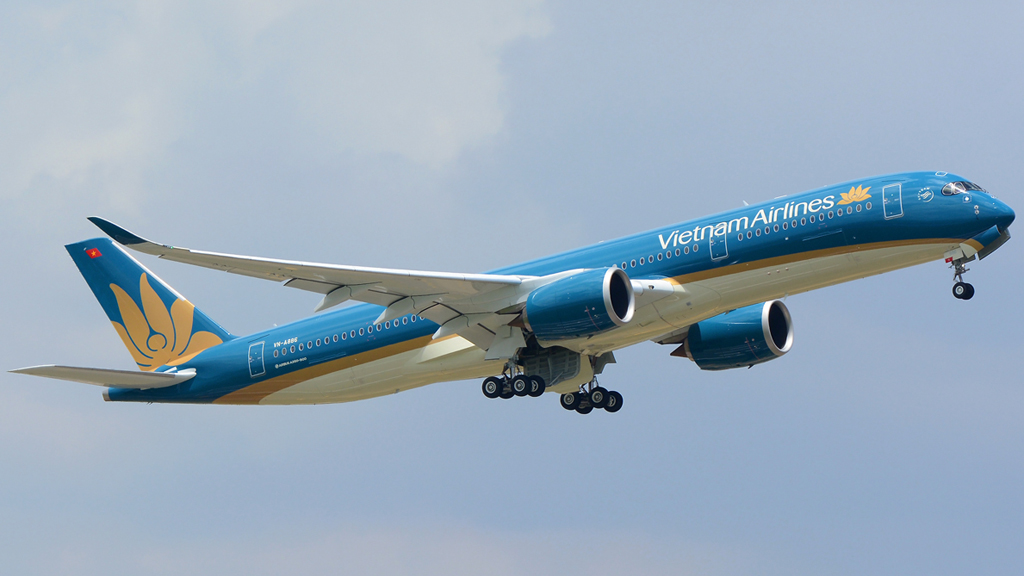
Airbus entered 2025 targeting 820 aircraft deliveries. By year’s end, the revised target was 790. The 30-aircraft gap tells a story of supply chain constraints, engine delays, and the reality of modern aircraft manufacturing.
What Went Wrong
Airbus didn’t make fewer aircraft because of lack of demand – airlines are desperate for capacity. The shortfall came from factors outside the manufacturer’s direct control:
Engine delays: CFM International (LEAP engines) and Pratt & Whitney (GTF engines) have struggled throughout 2025. Engine availability constrained how many complete aircraft Airbus could deliver.
Buyer Furnished Equipment: Seats, galleys, and entertainment systems supplied by airlines face their own supply chain challenges. Aircraft can’t deliver without interiors.
“Christmas tree” aircraft: Completed airframes sat at Airbus facilities waiting for missing components. Each delay represents tied-up capital and missed revenue.
Quality concerns: Some A320 metal panel defects required inspection and potential repair, adding to production timelines.
The Production Rate Challenge
Airbus wants to reach 75 A320 family aircraft per month by 2027, up from current rates around 50. The 790 vs 820 gap raises questions about whether this ramp is achievable.
Each production rate increase requires:
- More engines from suppliers
- More skilled workers trained and productive
- More tooling and factory capacity
- More components from hundreds of suppliers
If the supply chain can’t keep pace with 50/month, reaching 75/month becomes increasingly difficult.
What It Means for Airlines
Airlines waiting for aircraft will wait longer. Delivery slots push further into the future. Carriers needing capacity may extend leases on older equipment, delay retirement plans, or pay premiums for near-term availability.
The seller’s market continues. Both Boeing and Airbus have more orders than they can fill for years.
The Bottom Line
Airbus’s 790 vs 820 delivery gap isn’t failure – it’s reality check. Manufacturing aircraft is extraordinarily complex, depending on thousands of suppliers across global supply chains.
Demand exists. Order books are full. The constraint is execution. For Airbus, Boeing, and the entire aviation manufacturing ecosystem, closing the gap between ambition and capability remains the central challenge.




Leave a Reply