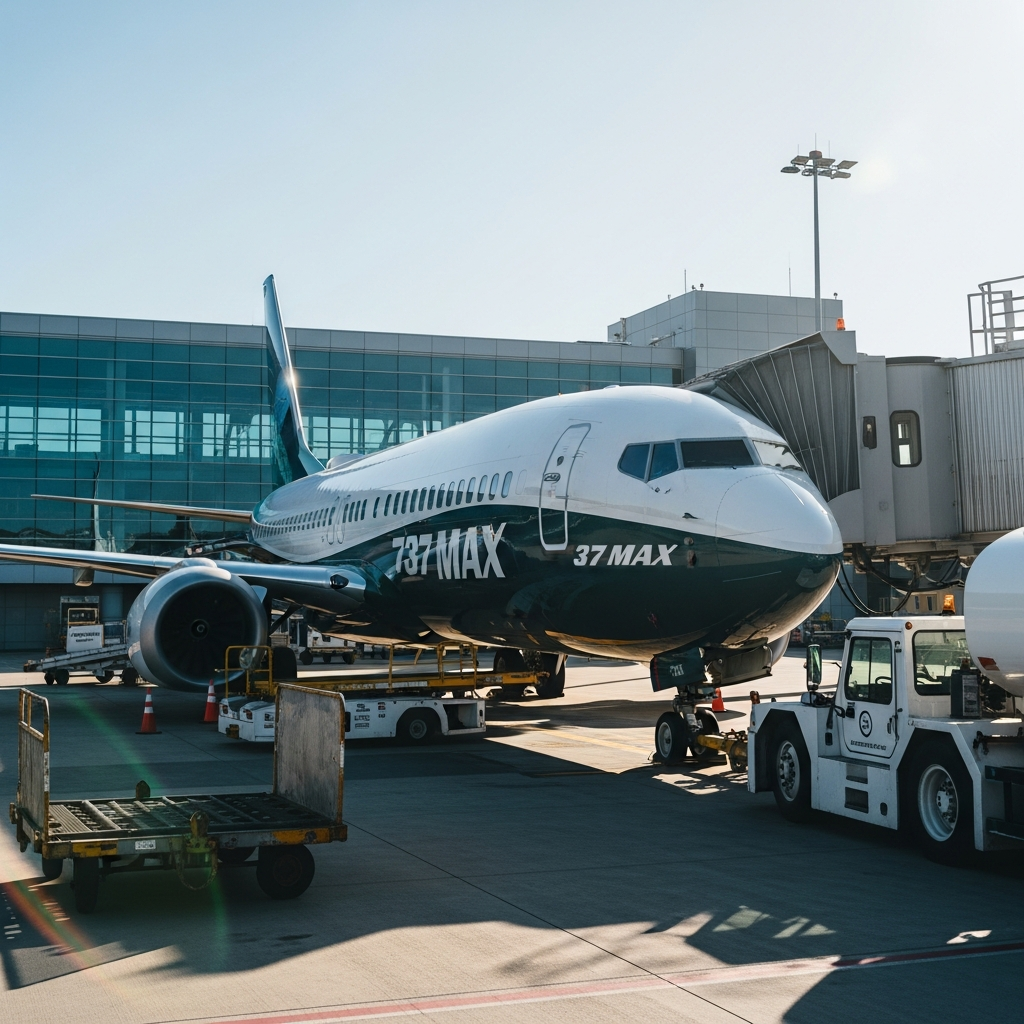
Alaska Airlines made history on May 21, 2026. Boeing 787-9 Dreamliner N781HA completed the carrier’s first-ever nonstop transatlantic flight, departing Seattle-Tacoma International Airport and arriving at London Heathrow on May 22 local time. The nine-hour, 25-minute flight across 4,812 miles establishes daily year-round service connecting the Pacific Northwest directly to Europe’s busiest hub—a watershed moment for an airline that, until last year, had never operated a widebody aircraft.
Flight AS100 pushed back from Gate N16 at 9:40 p.m. on May 21, carrying 299 passengers across three cabins: 34 enclosed business-class suites with fully lie-flat seats, 79 premium-economy seats, and 187 economy seats. The aircraft touched down at Heathrow’s Terminal 3 at 3:25 p.m. local time—20 minutes behind the scheduled 3:05 p.m. arrival. The westbound return flight, AS101, departs London at 5 p.m. and lands in Seattle at 7:25 p.m. the same day, enabling same-day transatlantic turnarounds.
A year ago, Alaska Airlines had no widebody fleet at all. Then in September 2024, the carrier acquired Hawaiian Airlines—bringing with it a fleet of Boeing 787-9 Dreamliners and Airbus A330s—and immediately signaled European ambitions. CEO Ben Minicucci told the Wings Club in March 2025 that “Europe is definitely on the radar for 2026.” The route transforms Alaska’s global footprint. Ticket sales began in December 2025, with roundtrip fares starting at $699.
The 787-9’s 7,565-nautical-mile range makes the Seattle-London corridor operationally comfortable. The aircraft burns 20 percent less fuel than comparable widebodies and features cabin pressure equivalent to 6,000 feet—reducing fatigue on long journeys. It maintains humidity at 15–20 percent, meaningfully better than older jets. Its composite airframe, which comprises 50 percent of the structure, drives maintenance efficiencies that legacy carriers cannot match.
Securing Heathrow slots proved challenging. The airport’s capacity constraints meant Alaska couldn’t secure permanent slot pairs through standard allocation. Instead, the carrier negotiated a temporary lease of 14 weekly slot pairs with oneworld partner American Airlines for the summer 2026 season. The arrangement runs through late October—though Alaska describes the service as “year-round,” suggesting negotiations for permanent slots or a winter schedule restructuring are ongoing.
Why London, and Why Now
London is Seattle’s largest intercontinental market, with more than 400 passengers traveling between the cities daily. Industry observers see Alaska’s entry as a strategic expansion enabled by Hawaiian’s fleet acquisition. Gary Leff, founder of View From the Wing, notes: “Now that Alaska has acquired a wide-body fleet, the company is rethinking where it flies. They’re beginning to populate a route map that serves where their customers fly, but they didn’t use to take them. London makes sense because it has long been among the most lucrative, important business markets in the world.”
This marks Alaska’s third European destination in 2026. The carrier launched Rome service on April 28 and will begin seasonal flights to Reykjavík on May 28, timed to coincide with Iceland’s summer peak and the August total solar eclipse. By 2030, Alaska plans to serve at least 12 intercontinental destinations from Seattle.
The 787-9 operating this route carries Alaska’s new Aurora Borealis-inspired livery, a design drawing from the Northern Lights phenomenon. Titanium elite-status members will receive complimentary lie-flat upgrades on intercontinental routes, effective spring 2026.
Heathrow’s Russian and Middle Eastern slot constraints mean permanent Seattle service will hinge on either securing dedicated allocation or leveraging alliance partnerships with British Airways and American Airlines. Whether Alaska’s temporary lease converts to permanent slots by autumn 2026 remains to be seen.
Sources
- Aerotime.aero — Original reporting on AS100 inaugural flight
Stay in the loop
Get the latest aircraft insider updates delivered to your inbox.