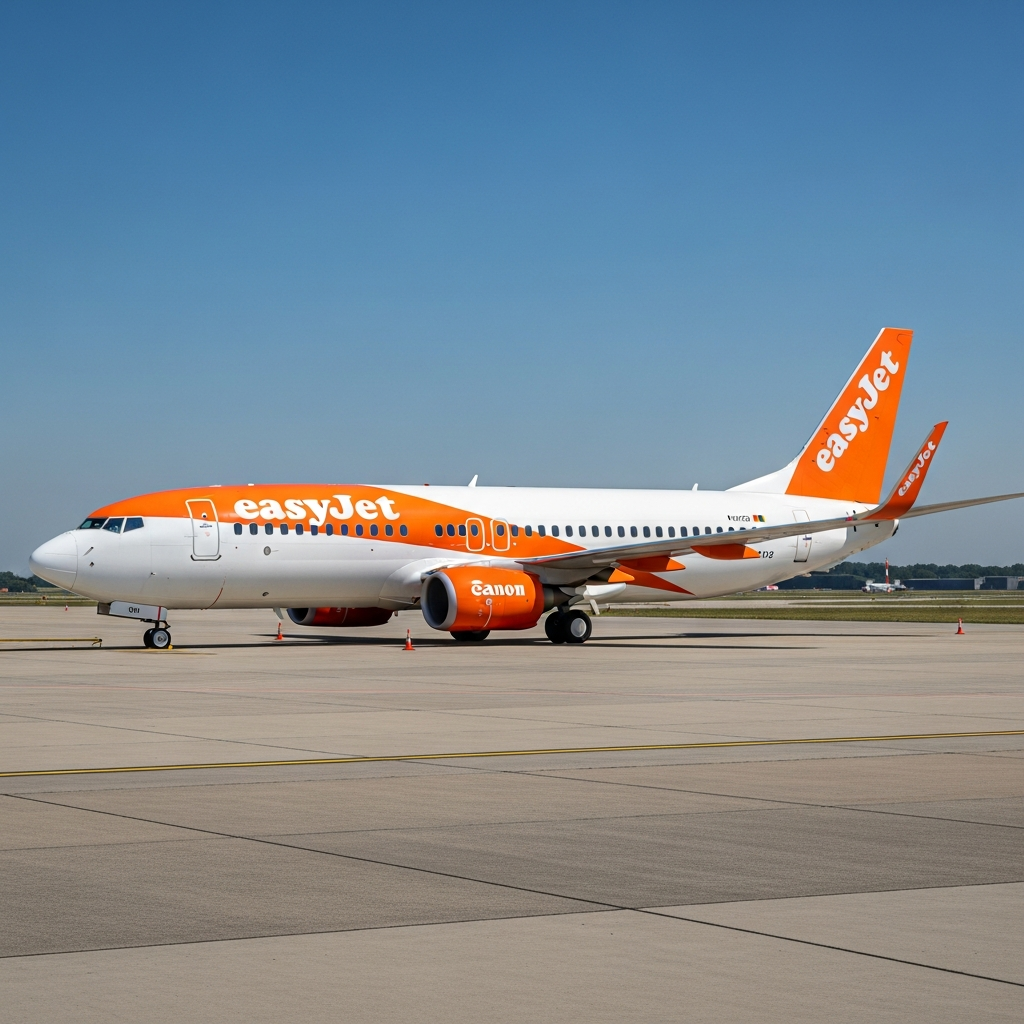
Apollo Global Management, the U.S. private equity powerhouse, just threw a wrench into what looked like a done deal. The firm launched a surprise counterbid to acquire budget carrier easyJet for £5.5 billion ($7.3 billion USD) — just days after rival investor Castlelake thought it had locked down the prize.
Announced on July 10, 2026, the move reopens the competitive auction for one of Europe’s largest low-cost operators. It also signals that appetite for aviation consolidation remains strong, even as the sector grapples with headwinds from elevated jet fuel costs and broader economic pressures.
Apollo’s bid comes in at 735 pence per share in cash. That’s a step up from Castlelake’s proposal of 690 pence announced on July 5. Measured against easyJet’s closing price of 394 pence on May 28 — before the takeover process kicked off — Apollo’s offer delivers an 87% premium. The airline’s board said it is “minded to recommend” Apollo’s bid to shareholders.
“The proposed cash offer delivers a superior outcome for easyJet shareholders by providing a higher cash value than Castlelake’s latest proposal,” easyJet and Apollo said in a joint statement.
A Fleet and Slot Portfolio Worth Fighting Over
The battle makes sense when you look at what’s actually on the table. easyJet operates 356 aircraft, primarily Airbus A320-family jets. About 208 of them are owned outright, carrying a current market value of roughly $6.6 billion according to IBA data.
But the real treasure is the orderbook. easyJet has approximately 277 A320neo family aircraft on firm order with a delivery value around $18.33 billion. That gives the airline one of the strongest pipelines of fuel-efficient narrowbodies available as supply constraints squeeze the global aviation market.
Then there’s the slot portfolio — this is where things get serious. At London Gatwick alone, easyJet controls 196 daily slot pairs, which works out to roughly 46% of the airport’s total capacity. The airline also holds significant slots at Amsterdam, Geneva, Lisbon, Milan Linate and Malpensa, and Paris Orly. In one of the world’s most congested aviation regions, those slots represent an enormous competitive advantage.
According to OAG Schedules Analyser data, easyJet operates Europe’s second-largest network by seat capacity this summer, holding a 6.9% regional share across 927 routes in more than 34 countries through easyJet UK, easyJet Switzerland, and easyJet Europe.
Regulatory Hurdles Loom Large
Both bidders face a major legal roadblock. EU ownership rules require airlines operating in the bloc to be majority-owned and effectively controlled by EU citizens. Castlelake already has a workaround in place — Irish executives Peter Bellew and Mark Breen would satisfy the requirement. Apollo says it’s committed to securing an appropriate European partner but hasn’t detailed the structure yet.
Conroy Gaynor, Bloomberg Intelligence analyst, flagged the political angle: “There’s still some doubts over ownership structure and regulatory approval, particularly with this deal potentially getting political attention with easyJet being a well-known U.K. company.”
The timeline tightens now. Apollo must declare firm intention to bid by August 7, 2026. Castlelake has until August 3 to match or walk away. easyJet shares jumped on the Apollo announcement but still trade below the 735p offer price — a sign that investors see meaningful regulatory and execution risk ahead.
What’s Next
Apollo’s investor statement emphasized it views easyJet as “one of the most attractive businesses in global aviation” and plans to preserve the brand and existing strategy. That includes continued fleet upgauging and expansion of the higher-margin easyJet Holidays subsidiary — a business that generates more predictable revenue than ticket sales alone.
easyJet founder Stelios Haji-Ioannou, who still owns over 15% of the airline, stands to gain substantially from either deal. The next phase depends on whether Apollo can execute its regulatory playbook and whether Castlelake mounts a counter-counterbid in the weeks ahead.
Stay in the loop
Get the latest aircraft insider updates delivered to your inbox.