Electric Planes Are Coming. Just Not When You Think.
The aviation industry loves to talk about electric aircraft. Airlines announce partnerships with startups. Airports plan charging infrastructure. Investors pour billions into battery and hydrogen ventures. But look past the press releases and the timeline for electric aviation looks very different from the hype.
What “Electric Aviation” Actually Means
First, some clarity on terms. Electric aviation encompasses several distinct technologies with vastly different maturity levels and applications:
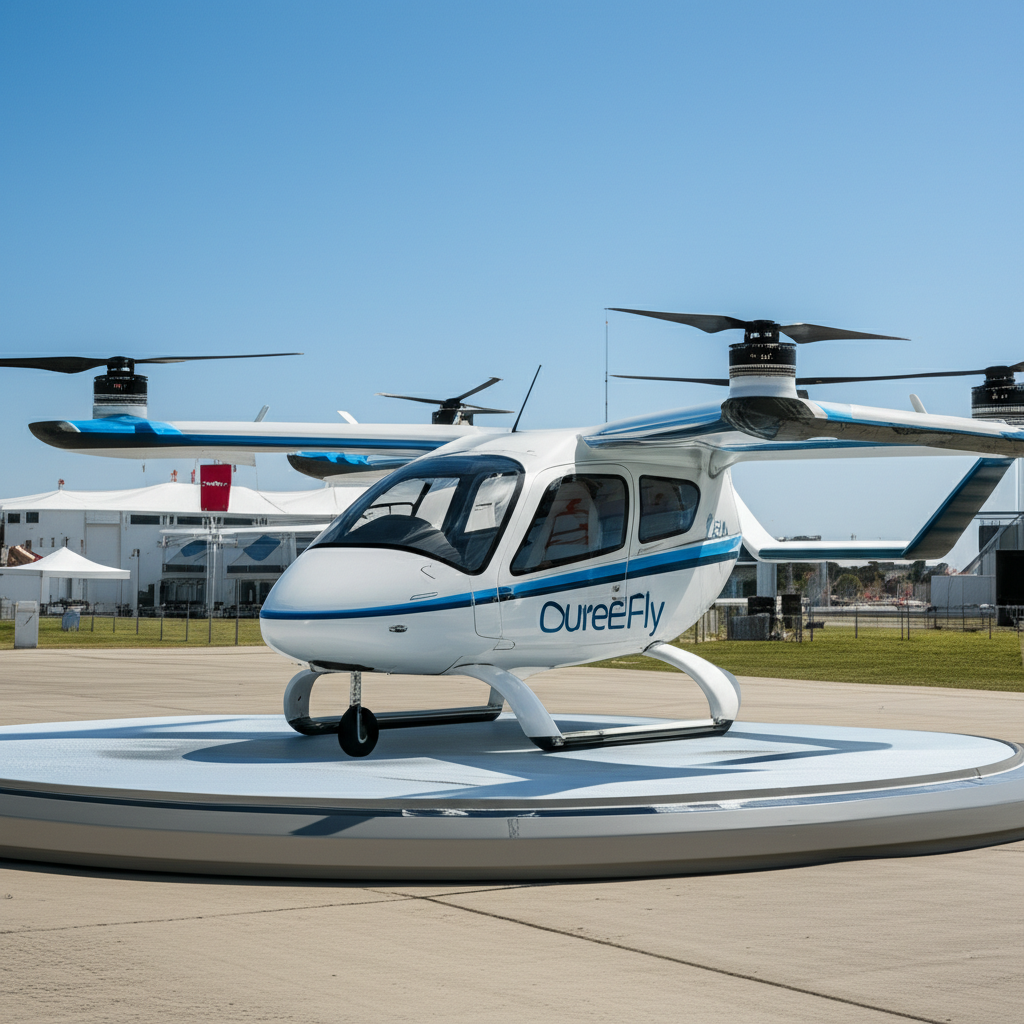
Battery-electric aircraft run entirely on stored electrical energy, like electric cars. These face the most severe physics constraints but offer the simplest technology.
Hybrid-electric aircraft combine batteries with traditional engines, using electric power for specific flight phases like takeoff and climb. This approach reduces battery requirements but adds complexity.
Hydrogen-electric aircraft use hydrogen fuel cells to generate electricity, offering greater range than batteries but requiring entirely new fuel infrastructure.
Each has different applications, limitations, and timelines. Grouping them as “electric aviation” obscures more than it reveals.
The Battery Problem
Batteries are heavy. Jet fuel contains roughly 50 times more energy per kilogram than current lithium-ion batteries. This fundamental physics problem limits battery-electric aircraft to short ranges and small payloads.
Battery technology improves steadily—energy density has doubled over the past decade and will continue advancing. But even optimistic projections suggest batteries won’t match jet fuel’s energy density this century. The gap is simply too large.
This doesn’t make battery-electric aircraft impossible—just limited in application. Short-haul flights with small aircraft over relatively flat terrain work. Transcontinental routes with hundreds of passengers don’t. The physics doesn’t care about timeline or investment levels.
What’s Flying Now
Battery-electric aircraft fly today—just not carrying fare-paying passengers on scheduled routes. Small experimental aircraft, training aircraft, and short-range demonstrators operate under various certifications.
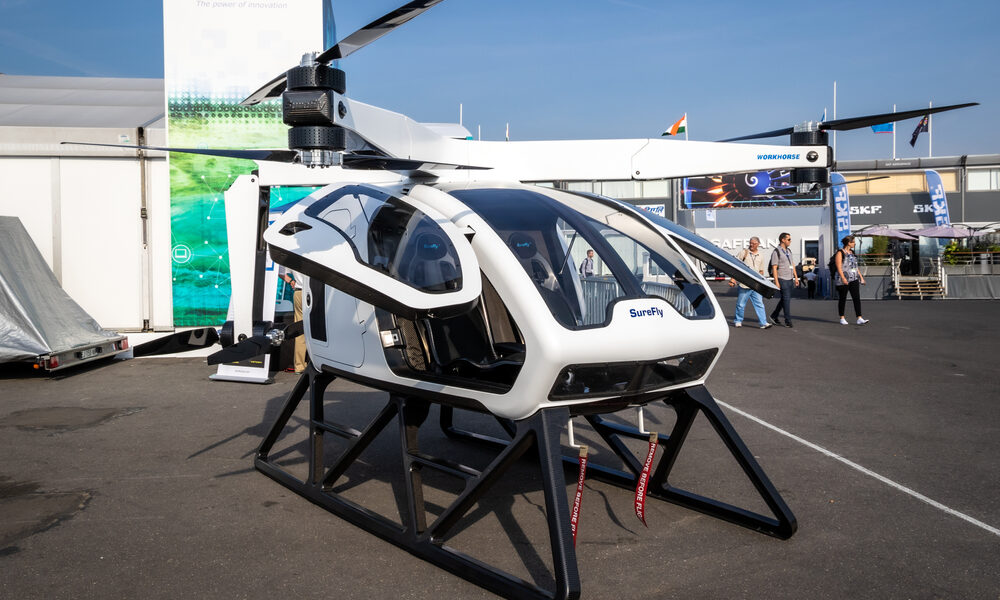
Air Taxis and urban air mobility vehicles represent the nearest-term application. Companies like Joby, Lilium, and Archer are pursuing certification for short-range electric vertical takeoff and landing (eVTOL) aircraft. These make sense because the missions are short—typically under 50 miles—and the value proposition includes avoiding ground traffic, not competing with airlines.
The first certified passenger-carrying battery-electric aircraft will likely enter service in the next few years. But they’ll carry fewer than 10 passengers on flights measured in minutes, not hours.
Regional and Commuter Timelines
Scaling electric aviation to meaningful passenger counts and useful ranges requires hybrid or hydrogen approaches—and those are further out.
Heart Aerospace is developing a 30-seat hybrid-electric aircraft targeting entry into service around 2028. Significant funding from airlines and investors supports the program. But “entry into service” for a new aircraft type means years of additional certification work after the first flight.
Realistically, hybrid-electric regional aircraft carrying 20-50 passengers might enter commercial service in the early 2030s. Useful, certainly—but not the transformation proponents describe.
Single-Aisle and Beyond
When will electric or hydrogen aircraft replace the 737s and A320s that form the backbone of global aviation? The honest answer: not in any timeline relevant to current decision-making.
Airbus’s ZEROe program envisions hydrogen-powered single-aisle aircraft by 2035. That’s an aspirational target, not a commitment. No hydrogen-powered commercial aircraft at this scale has flown. No hydrogen fueling infrastructure exists at airports. No regulatory framework covers hydrogen aircraft certification.
Boeing is more circumspect, focusing near-term sustainability efforts on sustainable aviation fuel rather than propulsion transformation.
A realistic timeline for hydrogen or electric single-aisle aircraft in meaningful commercial service: 2040 at the earliest, more likely 2045-2050.

The SAF Alternative
Sustainable aviation fuel offers a different path—one that works with existing aircraft, engines, and infrastructure. SAF costs more than conventional jet fuel but requires no technological revolution.
For the next two decades, SAF will do more to reduce aviation’s carbon footprint than electric propulsion. This isn’t a criticism of electric aviation research—it’s a recognition of timelines and physics.
Infrastructure Requirements
Even when electric and hydrogen aircraft reach maturity, deploying them requires infrastructure that doesn’t exist. Airports would need electrical capacity to charge aircraft—potentially massive loads that current grid connections can’t support. Hydrogen would require production facilities, storage systems, and fueling equipment at every airport.
Building this infrastructure takes years and billions of dollars. The aircraft and the infrastructure must develop in parallel—a coordination challenge that often delays new technologies beyond technical capability.
The Bottom Line
Electric aircraft are coming. The physics works for short-range, small-capacity applications. Battery-electric air taxis will fly passengers within a few years. Regional hybrid aircraft will follow in the 2030s.
But replacing the aircraft that carry most passengers today? That’s a 2040s or 2050s story. Anyone telling you otherwise isn’t accounting for physics, certification timelines, or infrastructure requirements.
Electric planes are coming. Just not when the headlines suggest.



Leave a Reply