The 1,000-Order Milestone
I’ll admit I was skeptical when I first saw the headline. Boeing crossing 1,000 gross orders in 2025? After everything that happened in 2024? But the numbers are real, and they tell an interesting story about how airlines actually think about fleet planning.
Breaking Down the Numbers
Here’s what the order book actually looks like:
737 MAX/NG: 461 orders
The single-aisle market doesn’t care about headlines – it cares about economics. Low-cost carriers, legacy airlines, and regional operators all need narrow-body capacity, and the MAX delivers on operating costs. Probably should have led with this, honestly: the MAX is outselling everything else for practical reasons.
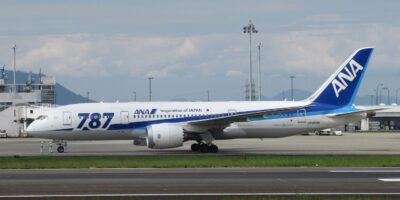
787 Dreamliner: 351 orders
Long-haul routes are where fuel savings really compound. Airlines flying 12+ hour sectors see the Dreamliner’s efficiency advantages on every trip. That adds up fast.
777/777X: Balance of orders
For carriers needing maximum capacity, the 777 family remains the answer. Emirates and other Gulf carriers continue betting on the 777X for their ultra-long-haul networks.
Why Airlines Keep Ordering
The question everyone asks: why order from Boeing given the quality issues and delivery delays?
Limited alternatives: Airbus backlogs stretch years out. If you need aircraft in the medium term, Boeing might be your only option.
Fleet commonality: Airlines already operating Boeing types have training, maintenance, and parts infrastructure in place. Switching costs real money.
Aggressive pricing: Word is Boeing has been more flexible on pricing during the recovery period. That matters to CFOs.
Long-term confidence: Airlines are betting Boeing fixes its problems. It’s a calculated gamble, but not an unreasonable one.
The Execution Challenge
Orders are promises; deliveries are reality. Boeing’s challenge now is converting that backlog into actual airplanes in customer hands. Production rates need to increase without quality slipping. Supply chains need to deliver. The 777X needs to finally reach certification.
That’s what makes this milestone interesting rather than conclusive – the hard work is still ahead.
What It Means
For Boeing employees, this backlog means job security and a clear mission. For passengers, it means more aircraft choices and competitive markets in the years ahead. For the industry, it confirms the duopoly remains intact despite one side’s stumbles.
Airlines are voting with their wallets that Boeing will figure it out. Whether that faith is rewarded depends entirely on what happens on the factory floor.



Leave a Reply