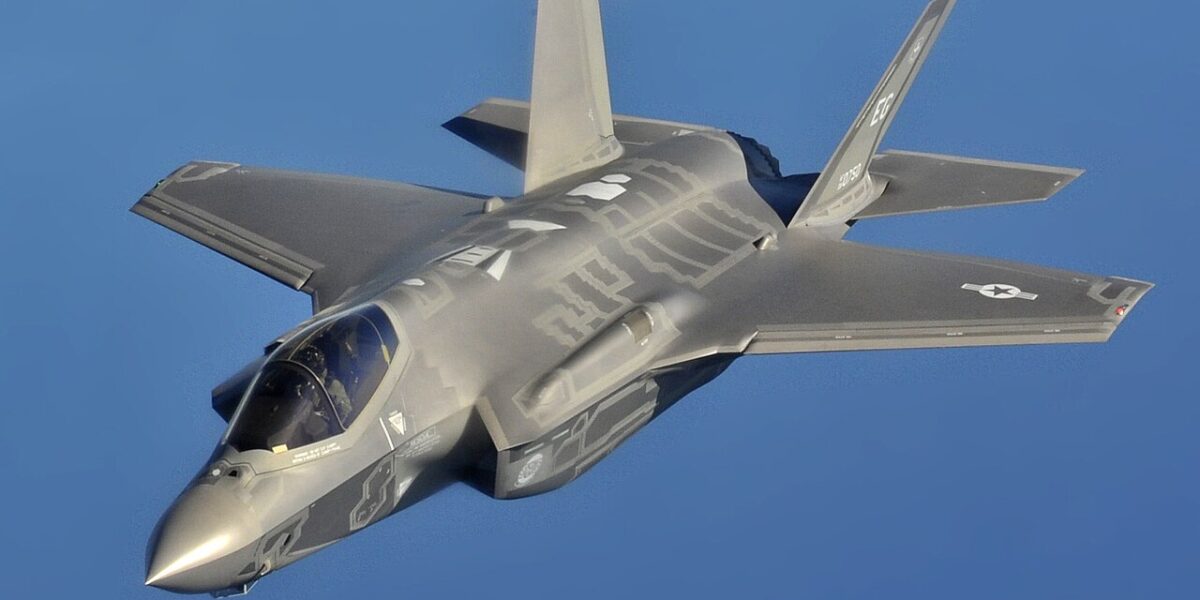
The Largest Air Force Recapitalization Since WWII
Canada is in the middle of its most significant military aviation investment in generations. The $30 billion F-35A program, combined with new tankers, MQ-9 drones, and P-8 maritime patrol aircraft, will transform the Royal Canadian Air Force into a modern, fifth-generation capable force.
Here’s what Canada’s NORAD commander says about the massive modernization effort.
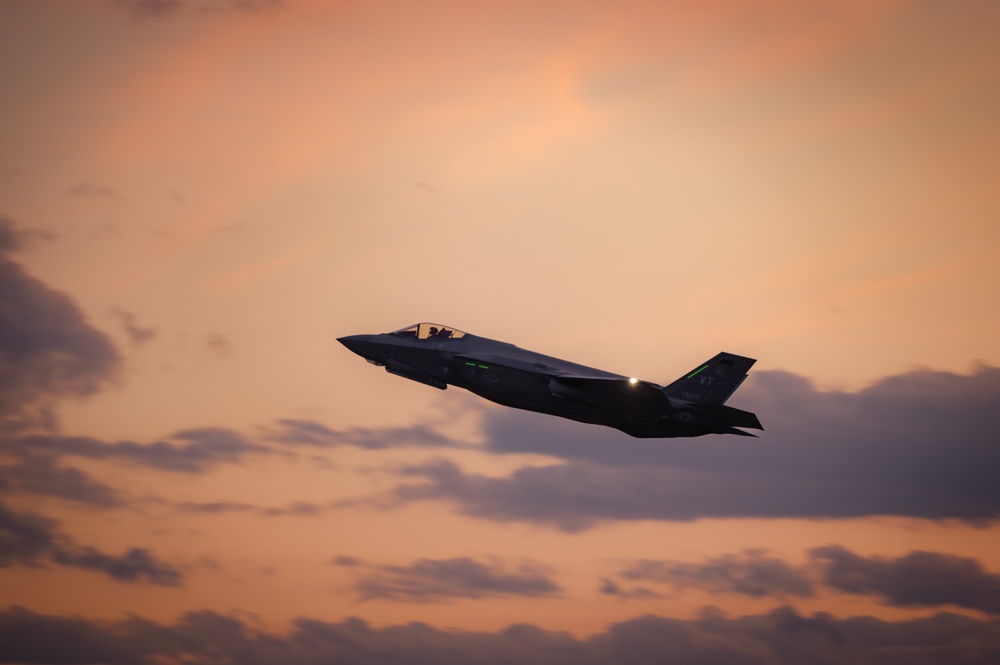
F-35 at the Center
Canada has committed to 88 F-35A Lightning II fighters, replacing the aging CF-18 Hornets that have defended Canadian airspace since the 1980s. The first 16 aircraft are paid for, with initial deliveries expected at Luke Air Force Base in 2026 for pilot training.
The F-35 brings capabilities that the CF-18 simply cannot match:
- Stealth: Low-observable design defeats modern air defenses
- Sensors: Advanced radar and electronic warfare systems
- Data fusion: Integrated situational awareness unmatched by legacy fighters
- Interoperability: Compatible with U.S. and allied systems
For NORAD, the North American Aerospace Defense Command, Canadian F-35s will patrol alongside American F-35s and F-22s, creating a seamless defensive network across the continent.
Beyond the F-35
The F-35 is just one piece of Canada’s recapitalization. Other programs include:
Aerial refueling: New tankers will extend the range and endurance of Canadian fighters and surveillance aircraft.
MQ-9 Reaper drones: Unmanned systems for surveillance and precision strike capabilities.
P-8 Poseidon: Maritime patrol aircraft for anti-submarine warfare and ocean surveillance.
Together, these platforms give Canada a modern, balanced air force capable of defending vast northern territories and contributing to allied operations worldwide.
The Arctic Factor
Canada’s defense planning increasingly focuses on the Arctic. As climate change opens northern routes and resources, competition for the region intensifies. Russia has significantly expanded Arctic military infrastructure. China shows growing interest.
For Canada, defending Arctic sovereignty requires capabilities that can operate in extreme cold, vast distances, and limited infrastructure. The F-35’s range, sensors, and connectivity address these challenges better than any alternative.
NORAD Implications
NORAD modernization depends on Canadian investment. The command, jointly operated by the United States and Canada, defends North American airspace against threats ranging from Russian bombers to potential hypersonic missiles.
Canadian F-35s will integrate with upgraded radars, space-based sensors, and command systems to provide comprehensive continental defense. Without Canadian participation, NORAD’s northern coverage would have significant gaps.
The Bottom Line
Canada’s $30 billion fighter investment represents a generational commitment to continental defense and alliance participation. The F-35 program will define Canadian air power for decades.
For aviation enthusiasts, Canadian F-35s will eventually provide impressive spotting opportunities. For geopolitical observers, the program demonstrates NATO’s continued investment in collective defense.
Watch for Canadian pilots beginning F-35 training in 2026. The future of Canadian air power is taking shape.



Leave a Reply