Taiwan’s Long-Haul Bet
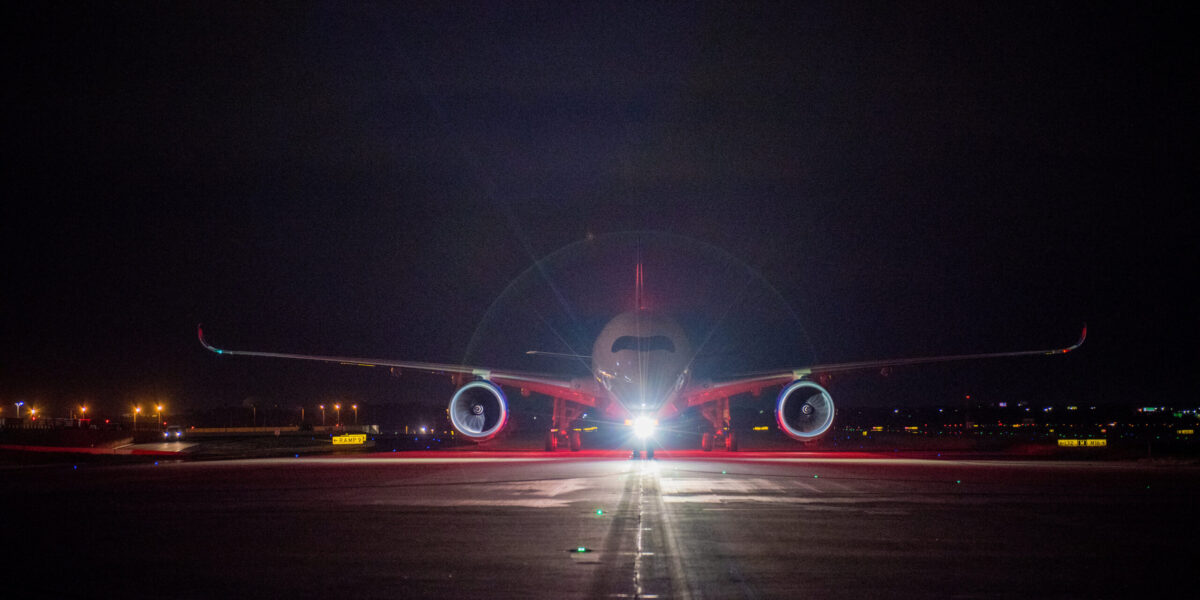
China Airlines, Taiwan’s largest carrier, has placed a firm order for five additional Airbus A350-1000 aircraft, announced December 18, 2025. The deal takes the airline’s total A350-1000 order to 15 units, signaling ambitious expansion plans for one of Asia’s most established carriers.
The timing is notable. Taiwan’s semiconductor industry has driven explosive growth in business travel to destinations like Phoenix and Dresden. China Airlines is positioning itself to capture this high-yield traffic with premium widebody service.

Why the A350-1000
China Airlines already operates 15 A350-900s on long-haul routes, making the larger -1000 variant a natural extension. Key advantages include:
- Capacity: Approximately 40% more passengers than the A350-900
- Range: Up to 8,700 nautical miles – enough for Taipei to virtually any destination
- Economics: Better unit economics on high-demand routes that can fill larger aircraft
- Commonality: Crew and maintenance synergies with existing A350-900 fleet
For China Airlines, the A350-1000 fleet will complement rather than replace the -900s. The larger variant makes sense on routes where demand justifies bigger aircraft, while -900s continue serving routes with lower passenger volumes.
The Semiconductor Connection
One of the most interesting route developments of 2025 has been China Airlines’ new 3X-weekly Taipei-Phoenix service, launched December 3. The route follows Taiwan Semiconductor Manufacturing Company’s (TSMC) massive $165 billion investment in Arizona fabrication plants.
Where chipmakers invest, airlines follow. TSMC’s Arizona presence has created steady demand for business travel between Taiwan and Phoenix – engineers, executives, suppliers, and support staff who need regular connectivity.
China Airlines was the first Asian carrier to serve Phoenix, giving it first-mover advantage in a market that’s likely to grow as TSMC’s Arizona operations scale up. The A350-1000s could eventually upgrade this route from A350-900 service.
Competition for Pacific Capacity
China Airlines isn’t alone in expanding Pacific capacity. EVA Air, Taiwan’s other major carrier, has also been growing long-haul routes. Competition between the two keeps fares competitive while pushing both airlines to improve their products.
The broader Pacific market remains strong. Post-pandemic travel demand between Asia and North America has recovered fully, with some routes exceeding 2019 levels. Both Taiwanese carriers are benefiting from this trend.
Fleet Strategy
The A350-1000 order is part of China Airlines’ broader fleet modernization. The airline is phasing out older Boeing 777-300ERs in favor of A350 variants, creating a more efficient and uniform widebody fleet.
Benefits of standardization include:
- Lower pilot training costs with fewer aircraft types
- Simplified maintenance with common parts and procedures
- Better fuel efficiency from newer aircraft
- Improved passenger experience with modern cabins
What Passengers Can Expect
China Airlines’ A350-1000s will feature the airline’s latest cabin products, including refreshed business class seats and improved economy configurations. The aircraft’s lower cabin altitude and higher humidity also mean passengers arrive feeling less fatigued on long-haul flights.
The Bottom Line
China Airlines’ A350-1000 order reflects confidence in Taiwan’s position as a global aviation hub. The semiconductor boom has created new travel patterns that didn’t exist five years ago, and the airline is investing to capture that demand.
For Taiwan’s aviation sector, having both China Airlines and EVA Air expanding with modern widebodies ensures the island remains well-connected to global markets. For passengers, it means more capacity and better products on routes that matter.


Leave a Reply