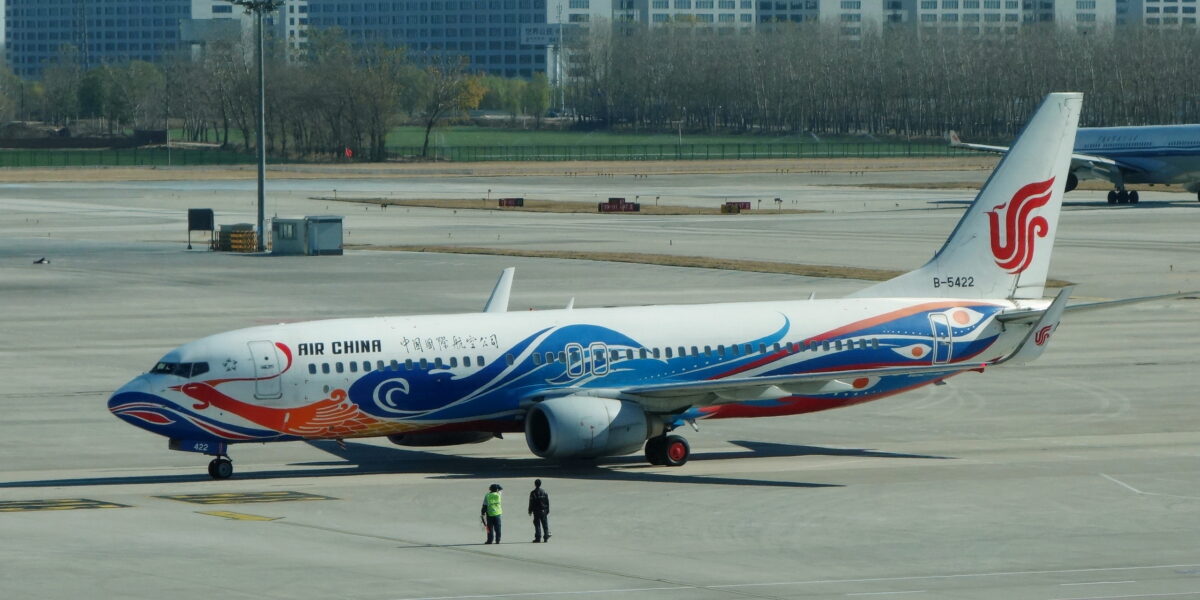
A New Bridge to Europe
China Southern Airlines has entered the Spanish market with 3X-weekly Guangzhou-Madrid service, using Boeing 787-9 Dreamliner aircraft. The launch marks another expansion of Chinese carrier dominance on China-Europe routes, where mainland airlines now control more than 82% of total capacity.

For travelers between Asia and Spain, the new service provides a direct option that previously required connections or routing through other Gulf or European hubs.
China Southern’s European Strategy
China Southern, one of China’s “Big Three” carriers alongside Air China and China Eastern, has been systematically building its European network. Madrid joins existing destinations including Paris, Amsterdam, London, Frankfurt, and Rome.
The Guangzhou hub serves as a southern gateway connecting European flights to China Southern’s domestic network and onward Asian destinations. For Spanish travelers heading to Southeast Asia or Australia, Guangzhou offers convenient connections.
The 787-9 offers China Southern’s latest long-haul product:
- Business Class: Fully lie-flat seats with direct aisle access
- Premium Economy: Enhanced comfort and service
- Economy: Competitive product with Dreamliner benefits (lower cabin altitude, larger windows)
Why Madrid Now
Spain has become an increasingly important market for Chinese tourism and business travel. Key drivers include:
Tourism: Spain ranks among the world’s top tourism destinations. Chinese visitors are a growing segment, attracted by history, architecture, food, and culture.
Business travel: Trade between China and Spain has grown substantially. Direct flights support business relationships in automotive, renewable energy, and consumer goods sectors.
Connections: Madrid serves as a gateway to Latin America. Chinese travelers can connect to Spanish-speaking destinations throughout the Americas.
The 82% Dominance Question
Chinese carriers now control over 82% of capacity on China-Europe routes. This dominance has developed as European carriers pulled back from Chinese markets during the pandemic years.
The implications are significant:
- Pricing power shifts to Chinese carriers
- Schedule convenience favors Chinese hubs
- European airlines lose market share permanently
Competition on the Route
China Southern won’t have Madrid entirely to itself. Air China and China Eastern also serve Spain from their respective Beijing and Shanghai hubs. Iberia maintains service to China as well.
But for travelers from southern China and Southeast Asia, China Southern’s Guangzhou hub offers the most convenient routing to Madrid.
The Bottom Line
China Southern’s Madrid launch is another example of Chinese carriers systematically building European networks while competitors hesitate. The route makes commercial sense and fills a gap in the market.
For Spanish travelers, direct China options are expanding. For Chinese tourists, Spain becomes more accessible. For the global aviation industry, it’s another sign that China’s big three are building networks to rival any carrier group in the world.


Leave a Reply