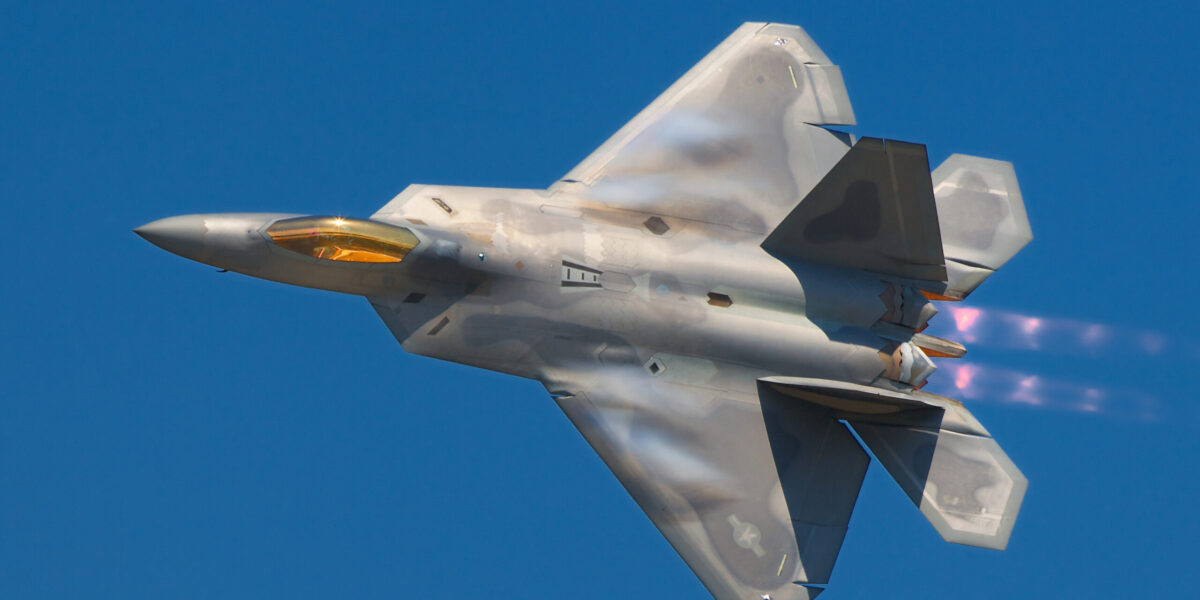
Kaan Fighter: Turkey’s Fifth-Generation Ambition
I was at an aviation conference when someone mentioned the Turkish Kaan fighter program, and I realized most Western audiences had barely heard of it. Yet here’s a country building its own fifth-generation stealth fighter – an undertaking only a handful of nations have ever attempted. The project deserves more attention than it gets.
The Origins of Kaan
Probably should have led with this, honestly: “Kaan” means “ruler” or “king” in Turkic languages. The name reflects Turkey’s ambitions for the aircraft – not just another fighter, but a statement of technological capability and national prestige.
The program emerged from Turkey’s decision to develop indigenous defense capabilities rather than remaining dependent on foreign suppliers. Being removed from the F-35 program accelerated this thinking, but the desire for self-sufficiency preceded that controversy.
Technical Specifications
The Kaan is designed as a twin-engine stealth fighter with fifth-generation characteristics: low radar cross-section, advanced avionics, internal weapons bays, and network-centric warfare capabilities. Turkish Aerospace Industries (TAI) leads the development, drawing on domestic expertise developed through decades of licensed production and technology transfer programs.
That’s what makes the Kaan endearing to aerospace observers – it represents a genuine attempt to master extremely complex technologies. Building a fifth-generation fighter isn’t just about assembling parts; it requires fundamental capabilities in materials science, aerodynamics, avionics integration, and systems engineering.
Development Challenges
Engine development remains the most significant challenge. Fifth-generation fighters require engines that combine high thrust, fuel efficiency, and specific characteristics for stealth. Turkey initially planned to use foreign engines while developing indigenous alternatives, but supply issues have complicated this approach.
Avionics integration presents another hurdle. Modern fighters are essentially flying computer networks that happen to have wings. The software development and systems integration required for a fifth-generation aircraft demands capabilities that take decades to build.
Strategic Context
Turkey’s position at NATO’s southeastern flank gives the Kaan program strategic significance beyond national prestige. If successful, the aircraft would provide Turkey independent air superiority capabilities without relying on export-restricted Western systems.
Regional competitors watch the program closely. Greece, in particular, monitors developments given historical tensions. Middle Eastern nations assess what Turkish fighter production capability might mean for regional power dynamics.
First Flight and Current Status
The Kaan made its first flight in early 2024, marking a significant milestone. First flights demonstrate basic airworthiness but represent just the beginning of a lengthy flight test and development program. Production-ready aircraft are likely still years away.
International Comparisons
The Kaan enters a small club of fifth-generation fighter programs. The United States has the F-22 and F-35, Russia has the Su-57, and China has developed the J-20 and J-31. South Korea’s KF-21 represents another new entrant, though it may not meet strict fifth-generation definitions.
Comparisons are difficult because each program addresses different requirements with different resources. The Kaan isn’t trying to replicate American capabilities; it’s trying to meet Turkish requirements within Turkish constraints.
Future Prospects
Success depends on continued government commitment, technical problem-solving, and probably some international collaboration on engines and other systems. The timeline will likely stretch longer than initial projections suggested – that’s normal for advanced fighter programs.
If Turkey succeeds, the Kaan would represent a remarkable achievement in aerospace development. If challenges prove insurmountable, the program still provides valuable experience and capabilities that enhance Turkey’s broader defense industry. Either way, the attempt itself signals where Turkish aerospace ambitions are heading.



Stay in the loop
Get the latest wildlife research and conservation news delivered to your inbox.