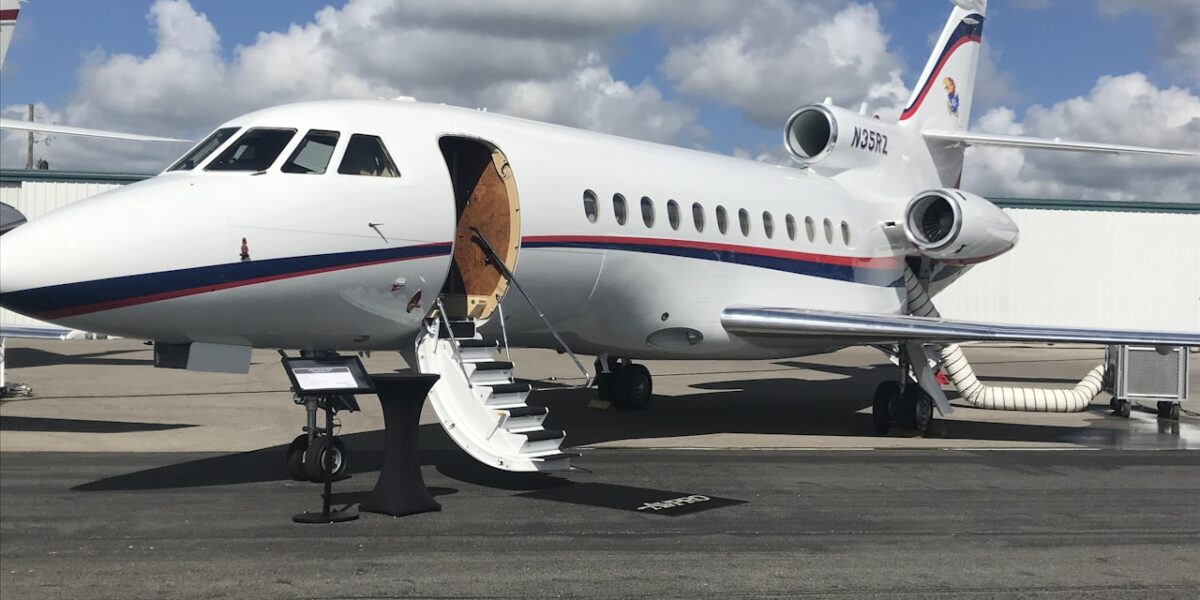
As someone who has been fortunate enough to experience both sides of aviation travel, I can tell you there’s a world of difference between shuffling through a crowded terminal at 5 AM and pulling up to a private hangar where your aircraft is already fueled and waiting. Private jets offer something that commercial flights simply cannot replicate, no matter how many upgrades you purchase.
Probably should have led with this, honestly: the appeal isn’t really about luxury. It’s about time. When you fly private, there are no two-hour arrival windows, no security theater, no waiting at the gate while the previous flight clears. You show up, you board, you leave. I’ve watched executives close deals on the tarmac and make it to their kids’ soccer games the same afternoon. That kind of flexibility changes how you think about travel entirely.
The comfort aspect, while nice, is almost secondary. Yes, the cabins are beautiful. Yes, the seats are actually comfortable for sleeping. Yes, someone will make you a proper cappuccino at 35,000 feet if that’s what you’re after. But I’ve found that what passengers remember isn’t the gourmet dining or the personalized entertainment systems – it’s the feeling of controlling their own schedule for once.
The Real Flexibility Advantage
Here’s what commercial aviation can’t touch: imagine needing to visit three manufacturing facilities across the Midwest in a single day. With airlines, that’s a two-day trip minimum, probably three once you factor in connections and delays. With a private charter, you land at airports that don’t even show up on consumer booking sites, spend an hour at each facility, and you’re home for dinner.
The access to smaller airports is underrated. Many private jets can operate from runways that wouldn’t accommodate anything larger, putting you within a short drive of your actual destination rather than an hour from a major hub.
The Cost Reality
Let’s be honest about the money. Chartering a light jet runs around $5,000-$10,000 per flight hour. A midsize aircraft pushes $7,000-$15,000. Heavy jets that can cross oceans? $15,000-$25,000 per hour. Those numbers are not for the faint of heart.
But here’s the math that changes the calculus for some: put four executives on a private flight that saves each of them a full day of productivity, and suddenly the per-person economics start looking different. Add in the confidentiality of being able to discuss sensitive matters without seatmates, and certain trips begin to make financial sense even for companies that watch every dollar.
That’s what makes private aviation endearing to those who use it regularly – it’s not about showing off wealth, it’s about buying back something you cannot manufacture: time.
Related Articles
Continue exploring: