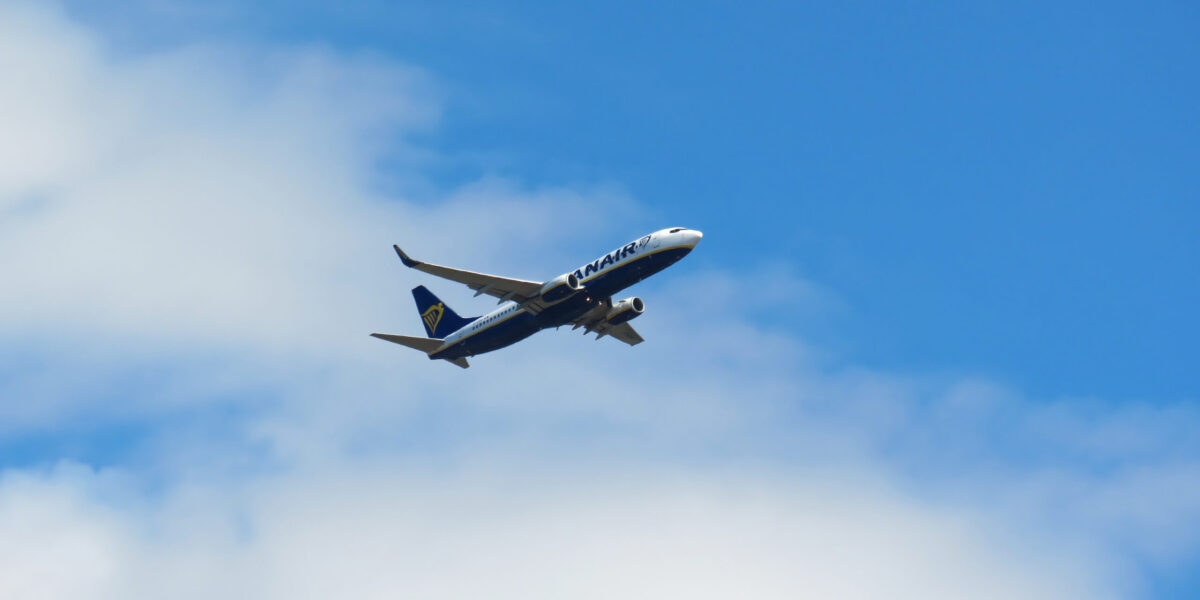
A Ryanair Boeing 737 MAX experienced an unexpected engine shutdown this month after a cockpit sun visor detached and struck the engine start lever, cutting fuel to one of the jet’s engines. It’s the kind of incident that sounds almost too strange to be true—but it happened.
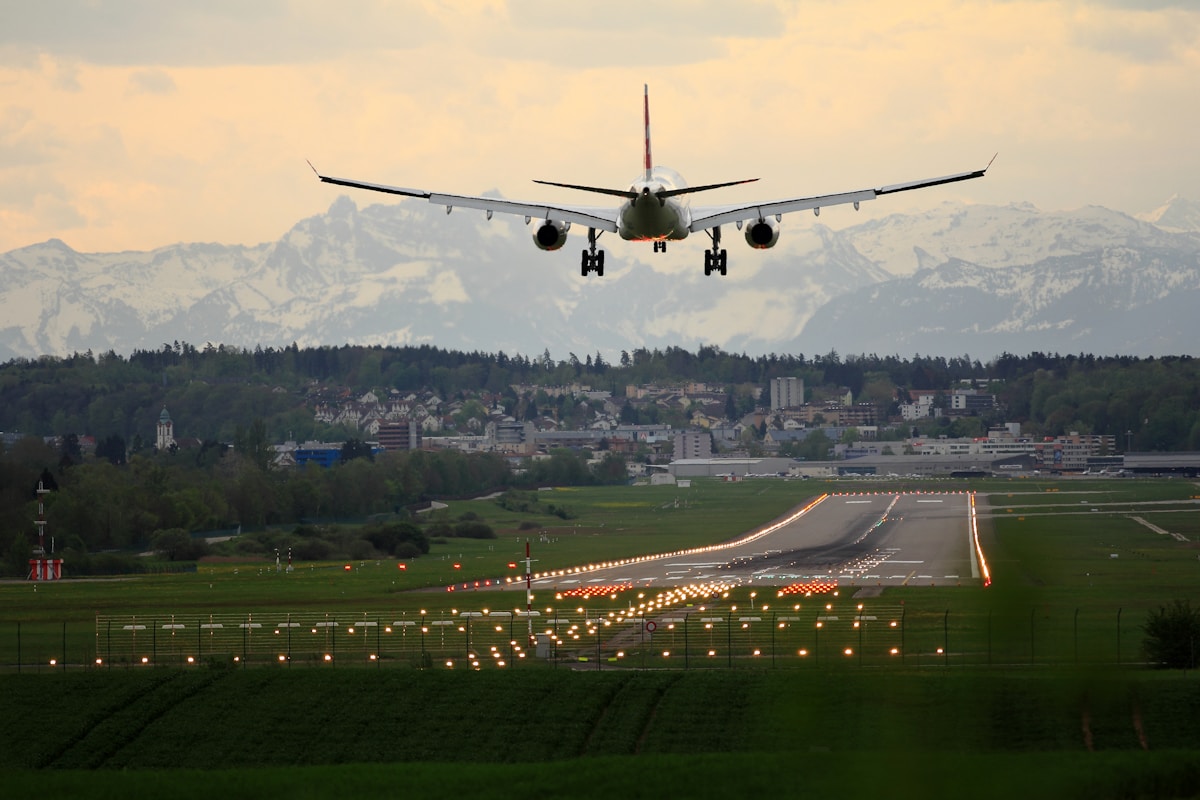
The incident occurred on December 8 during a flight from Krakow, Poland to Milan, Italy, operated by Malta Air on behalf of the Ryanair Group.
The Sequence of Events
The 737 MAX 8 was climbing through 8,000 feet when the sun visor above one of the pilot seats came loose from its mounting. The visor fell onto the center pedestal—the console between the two pilot seats that houses throttles, flap controls, and engine start levers.
When the visor hit the engine start lever, it moved the lever to the cutoff position, immediately shutting off fuel flow to one engine. The engine flamed out.
The flight crew responded quickly, declaring an urgency with air traffic control. They followed the single-engine failure checklist and successfully restarted the affected engine. The aircraft continued to Milan and landed 29 minutes behind schedule. No injuries were reported among passengers or crew.
How Does This Even Happen?
Aviation safety experts note the unusual chain of events. Cockpit sun visors are mounted on overhead rails and typically secured when not in use. For one to detach and fall with enough force to move an engine control lever requires a specific combination of factors.
The engine start levers on the 737 are located on the center pedestal, below and forward of the throttle quadrant. They’re designed to require deliberate movement—but apparently not enough to resist impact from a falling object.
Malta’s Transport Safety Investigation Board has opened a formal investigation. Investigators will examine the sun visor mounting hardware, the force required to move the engine start lever, and whether any maintenance or design issues contributed to the incident.
Single-Engine Operations
Modern commercial aircraft are designed and certified to fly safely on one engine. Pilots train extensively for engine failure scenarios, and the 737 MAX can maintain altitude and continue to a suitable airport with one engine inoperative.
In this case, the crew’s quick response and successful engine restart meant the flight continued with minimal disruption. But the incident highlights how unexpected equipment failures can create situations that no checklist anticipates.
Ryanair’s Response
Ryanair Group confirmed the company is cooperating with investigators but declined further comment on the ongoing probe. The airline operates hundreds of 737 MAX aircraft across its brands, including Ryanair, Malta Air, Buzz, and Lauda Europe.
Whether the incident prompts inspections of sun visor mountings across the 737 fleet remains to be seen. Regulators typically wait for investigation findings before mandating any fleet-wide actions.
The Bigger Picture
This incident joins a long list of aviation events caused by unexpected interactions between cockpit components. Loose items in the cockpit have caused problems before—dropped pens jamming rudder pedals, spilled coffee affecting instruments, and now a sun visor shutting down an engine.
It’s a reminder that even in highly automated aircraft, small mechanical failures can cascade into significant events. The crew’s training and response prevented what could have been a more serious situation.


Leave a Reply