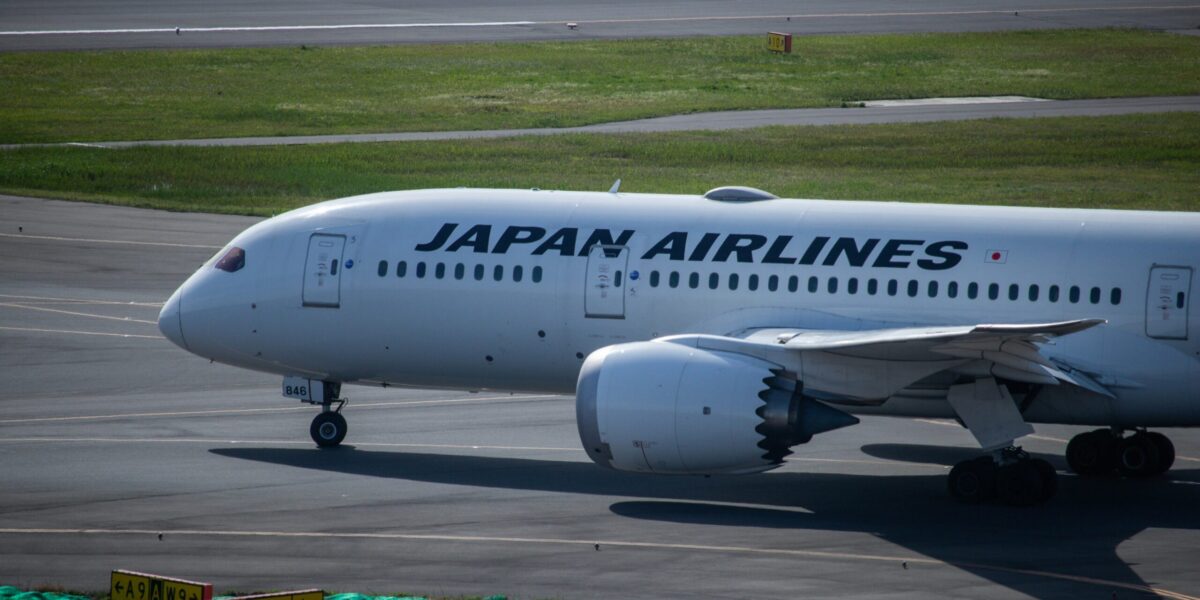
Japan Airlines Faces Holiday Disruption After JFK Incident
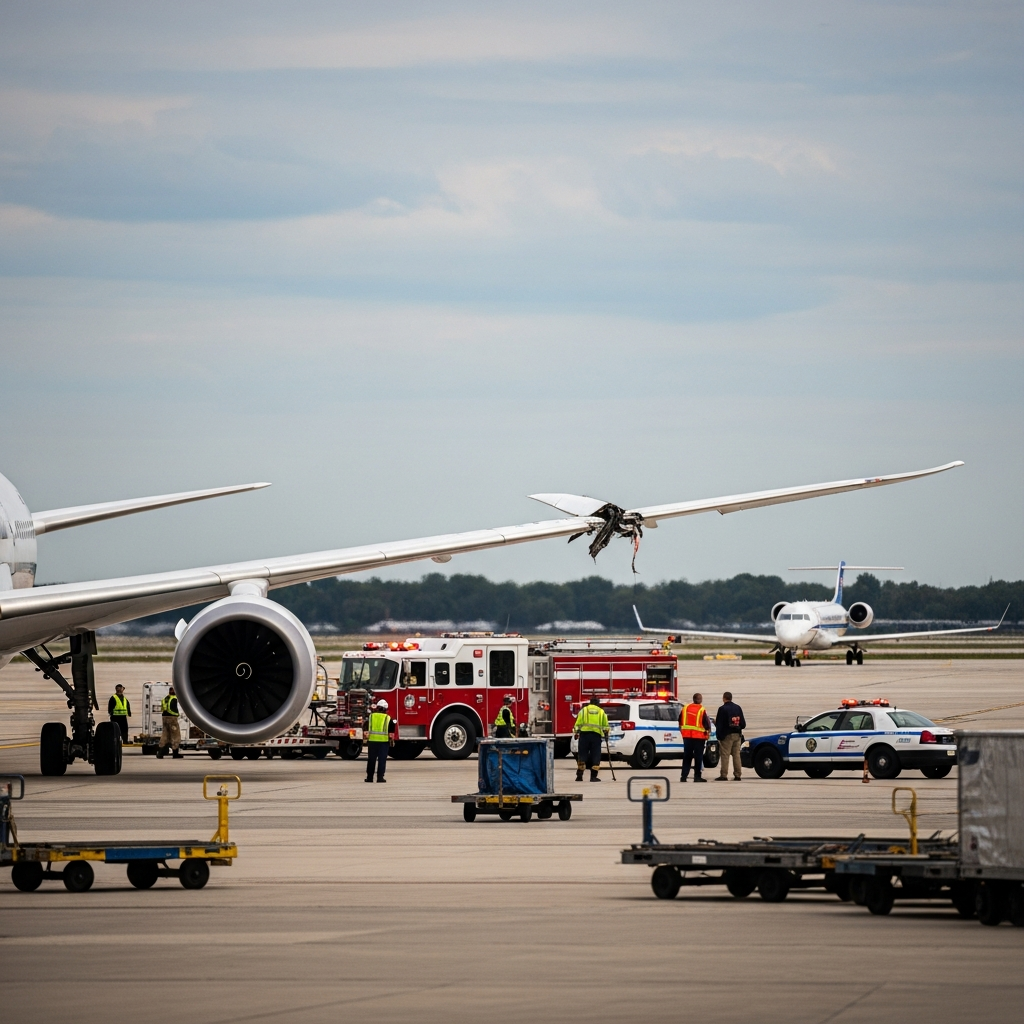
Japan Airlines is facing one of its most challenging operational periods since the pandemic after one of its aircraft was damaged at New York’s JFK Airport on December 14, 2025. The incident – a wing collision with another aircraft during ground operations – has forced the airline to retune, reschedule, cancel, or swap aircraft for roughly 40 long-haul flights through year’s end.
For passengers, the disruption comes at the worst possible time: the peak holiday travel season when rebooking options are scarce and alternatives expensive.
What Happened at JFK
According to initial reports, a Japan Airlines aircraft’s wing struck another plane during ground movement at JFK Airport. While the full circumstances remain under investigation, wing-strike incidents typically occur during taxiing, pushback, or parking operations.
The damage was significant enough that the aircraft cannot return to service without repairs. Probably should have led with this, honestly: for a long-haul carrier like Japan Airlines, losing even one widebody aircraft during peak season creates cascading operational problems.
The Operational Nightmare
Japan Airlines operates a carefully choreographed network connecting Tokyo’s Narita and Haneda airports to destinations across North America, Europe, and Asia. Each aircraft is scheduled for specific rotations – fly Tokyo to New York, rest, fly New York to Tokyo, rest, repeat.
When an aircraft unexpectedly drops out of service, the airline must:
- Find replacement aircraft, which may be scheduled for other routes
- Adjust crew schedules, which are subject to rest requirements and union agreements
- Rebook passengers from cancelled or consolidated flights
- Manage cargo that was booked on affected flights
- Communicate with thousands of affected travelers
Through December 31, Japan Airlines has affected approximately 40 long-haul flights. Some have been retimed to different departure hours. Others have been consolidated onto larger aircraft. Some routes are being operated with different aircraft types than originally scheduled.
Which Passengers Are Affected
The most significant disruptions affect transpacific routes between Japan and North America. Passengers booked on affected flights have received notifications from Japan Airlines with rebooking options.
The challenge is that alternatives are limited. Other carriers’ flights are also full during the holiday period.
Repair Timeline Unknown
Wing repairs on widebody aircraft are not simple undertakings. Depending on the damage extent, the aircraft could be out of service for weeks or months. Japan Airlines has not disclosed a specific return-to-service date.
Lessons for the Industry
Ground incidents are a persistent challenge at congested airports. JFK, with its complex taxiway system and intense traffic during peak hours, presents particular challenges for large aircraft maneuvering in tight spaces.
That’s what makes ground operations so important to airline safety departments – even routine movements carry risk, and the consequences of ground incidents can ripple through networks for weeks afterward.

Leave a Reply