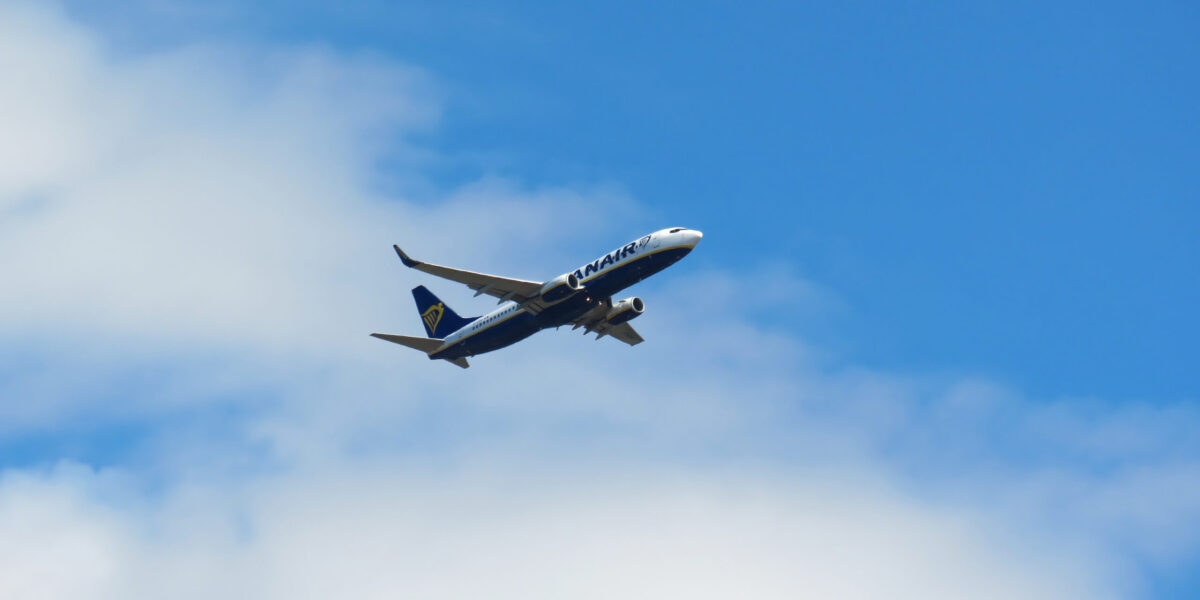
Budget Airlines Keep Trying Long-Haul Flights. It Keeps Failing.
The idea seems irresistible: apply the low-cost carrier model that revolutionized short-haul aviation to transatlantic and transpacific routes. Sell cheap tickets, fill planes, make money at scale. Yet budget long-haul keeps failing, often spectacularly. Why can’t this model work?
The Graveyard of Budget Long-Haul
The list of failed budget long-haul airlines is extensive and sobering. Norwegian, which once seemed poised to transform transatlantic travel, eventually retreated to European routes after years of losses. WOW Air, Iceland’s ambitious ultra-low-cost carrier, collapsed in 2019, stranding passengers across continents. Primera Air barely lasted a year. Zoom Airlines, SkyMark’s long-haul experiment, Oasis Hong Kong—all tried, all failed.
Even JetBlue’s Mint service, which combines budget pricing with premium amenities, has struggled to achieve consistent profitability on transatlantic routes despite significant resources.
The pattern is clear: budget long-haul sounds better on paper than it works in practice.
Why Short-Haul Works
Understanding why low-cost carriers dominate short-haul routes helps explain why long-haul is different.
On short-haul flights, aircraft fly more segments per day. A Southwest 737 might complete 6-8 legs daily, spreading fixed costs across more passengers. Quick turnarounds between flights maximize productivity. Simple point-to-point networks eliminate connecting complexity.
Passengers tolerate minimal service on short flights. No meals, tight seats, extra fees for bags—all acceptable for a 90-minute hop. The fare savings justify the discomfort.
These advantages don’t scale to long-haul operations.

The Aircraft Utilization Problem
A widebody aircraft flying New York to London operates perhaps one round-trip per day due to flight duration. That same aircraft might manage two shorter routes—but widebodies aren’t designed for short routes.
Long-haul aircraft cost more to buy and operate than narrowbodies. But they can’t fly more revenue-generating flights to compensate. The fundamental productivity metric—revenue per aircraft per day—favors short-haul dramatically.
Maintenance cycles further complicate utilization. Widebodies require more extensive inspections, more specialized technicians, more expensive parts. The operational simplicity that enables low-cost short-haul evaporates with larger, more complex aircraft.
The Service Expectation Shift
Passengers accept minimal service for short flights but expect more on long-haul journeys. An 8-hour overnight flight without food, entertainment, or comfortable seating becomes genuinely unpleasant rather than merely inconvenient.
Budget long-haul carriers tried offering stripped-down service with optional purchases. Want a meal? Buy it. Want entertainment? Pay for WiFi. Want to recline? Premium economy surcharge.
But these fees never quite bridge the gap. Legacy carriers offer inclusive service at competitive total costs when you add up all the fees. The “cheap fare plus fees” model that works for Spirit Airlines on domestic routes doesn’t achieve the same cost advantage against United or Lufthansa on transatlantic routes.
Network Effects Favor Legacy Carriers
Low-cost carriers succeed with point-to-point networks—fly where people want to go, avoid hub complexity. This works domestically where many city pairs have sufficient demand.
Long-haul routes need more passengers than most city pairs can generate. Oslo to New York might not fill a widebody daily, but Oslo connections through Copenhagen on SAS can feed a larger aircraft.
Legacy carriers’ hub-and-spoke networks aggregate demand from many origins to fill long-haul aircraft. Budget carriers, flying point-to-point, struggle to match this efficiency except on the very busiest routes.
Fuel Costs Hit Harder
Fuel represents a larger percentage of long-haul operating costs than short-haul. The fixed costs of takeoff and landing get amortized across more flight hours, making fuel burn relatively more important.
When oil prices rise, long-haul carriers feel disproportionate pain. Legacy carriers with more diversified networks can adjust; pure long-haul operators have nowhere to hide.
Seasonality and Route Flexibility
Long-haul demand varies dramatically by season. Transatlantic summer traffic dwarfs winter volumes. Asian routes fluctuate with holiday patterns.
Legacy carriers shift aircraft between routes based on seasonal demand. Budget carriers committed to specific long-haul routes lack this flexibility. They either fly empty planes in low season or cut routes—but cutting routes means losing market position.
Can Anyone Make It Work?
Some long-haul operations with budget elements succeed—but they’re rarely pure budget carriers. Norse Atlantic flies transatlantic with relatively low fares but isn’t truly ultra-low-cost. French Bee operates Paris to Tahiti with budget pricing on specific routes where geography creates natural demand.
The successful models tend to be niche rather than network. They exploit specific route opportunities rather than attempting to reimagine long-haul aviation entirely.
The Bottom Line
Budget long-haul keeps failing because the economics are fundamentally different from short-haul. Aircraft utilization, service expectations, network effects, and cost structures all favor legacy carriers on intercontinental routes.
This doesn’t mean long-haul fares won’t fall—they already have, pressured by competition and efficiency improvements. But the dramatic price disruption that budget carriers brought to domestic and short-haul international markets won’t repeat at transoceanic scale.
The next budget long-haul startup will likely fail too. The lesson is clear, even if entrepreneurs keep ignoring it.


Leave a Reply