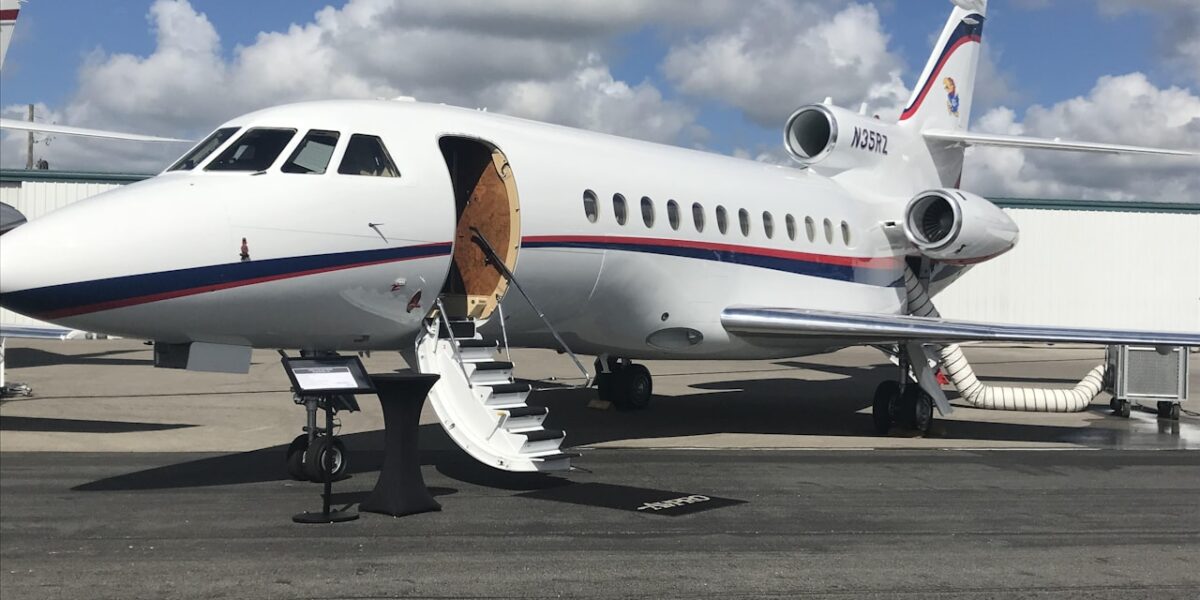
I’ve spent more time than I care to admit researching luxury private jets, partly for work and partly because daydreaming about Gulfstreams beats staring at spreadsheets. From Gulfstream to Bombardier, here’s what actually matters when you’re looking at the top models, cutting-edge technology, and unmatched comfort for elite travel.
Table of Contents
Best Luxury Private Jets 2023
Choosing the best luxury private jet involves weighing range, speed, comfort, and price against each other. In 2023, the market features remarkable advancements across all categories. Here are the models that stand out for business and leisure travel, based on what actually matters when you’re flying.
Gulfstream G700
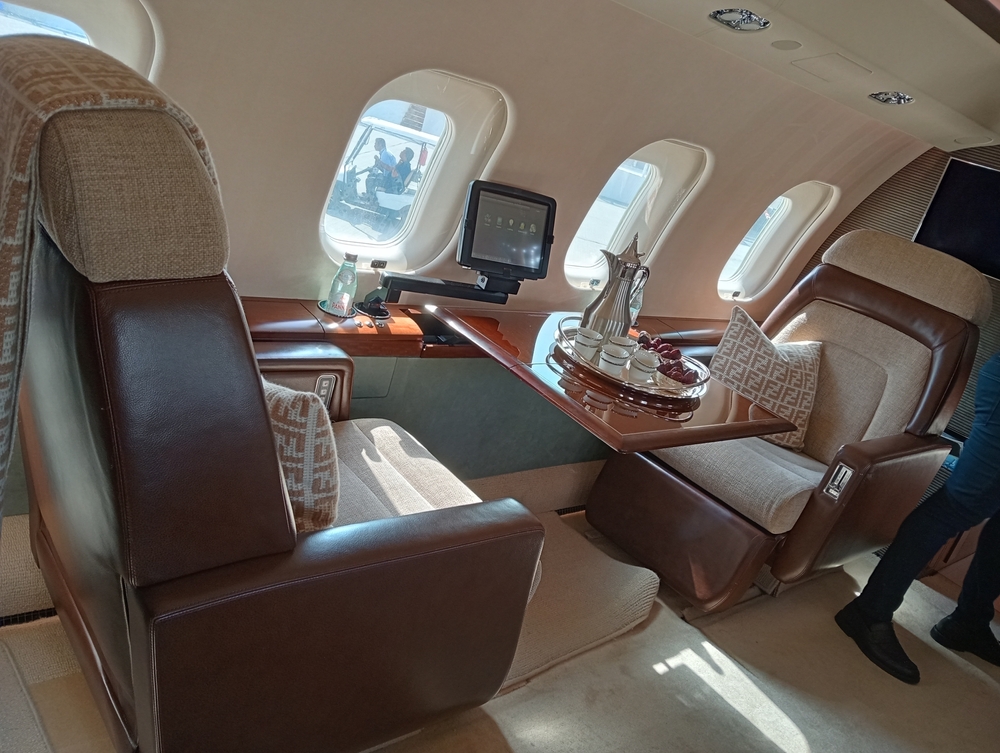
The Gulfstream G700 continues to impress anyone who steps inside. Its 7,500 nautical mile range allows non-stop flights from New York to Hong Kong, which changes how you think about travel planning. The cabin features up to five living areas. I’ve seen configurations that include bedrooms, conference rooms, and entertainment spaces that rival boutique hotels. The advanced flight deck technology and customizable interior make this aircraft genuinely special.
Bombardier Global 7500
Bombardier’s Global 7500 holds high regard among those who actually fly these aircraft regularly. Its 7,700-nautical mile range makes it one of the longest in its class. The innovative wing design ensures a smooth ride even through turbulence that would bounce lighter aircraft around. Bombardier’s bespoke Nuage seats, which I had the chance to test, genuinely enhance comfort on long-haul flights. The cutting-edge avionics suite provides superior flight control that pilots appreciate.
Dassault Falcon 10X
The Falcon 10X, expected to enter service in 2025, is already generating excitement. Dassault offers a large and flexible cabin with four distinct living spaces. The jet promises a 7,500-nautical mile range. What makes the Falcon 10X unique are its large, near-floor-to-ceiling windows. Probably should have led with this, honestly, because those windows transform the entire in-flight experience with natural light and views that make you forget you’re in an airplane.
Embraer Praetor 600
The Praetor 600 combines performance, efficiency, and technology in the super-midsize segment. With a 4,018 nautical mile range, it handles most transcontinental missions easily. The turbulence reduction technology makes a noticeable difference on bumpy days. Its sophisticated interior design and the Rockwell Collins Pro Line Fusion Avionics Suite with ultra-thin touchscreen interfaces feel genuinely modern.
HondaJet Elite S
The HondaJet Elite S showcases innovative design in the very light jet category. With a 1,437 nautical mile range, it’s perfect for shorter regional flights. Honda’s engineering background shows in details like the updated avionics suite, increased maximum takeoff weight, and improved noise dampening. The cabin combines leather seating with advanced connectivity that business travelers actually need.
Cessna Citation Longitude
Cessna’s Citation Longitude offers notable features for mid-sized jets. The 3,500 nautical mile range handles transcontinental travel. Its cabin features a low-altitude pressurization system that reduces passenger fatigue on long flights. High-speed internet and a fully integrated autothrottle system ensure a seamless experience. That’s what makes this aircraft popular with operators who prioritize passenger comfort.
Pilatus PC-24
The Pilatus PC-24 prides itself on versatility. This jet operates from short and unpaved runways, making it unique in its class. I’ve seen PC-24s land on strips that would make other jet pilots nervous. With a 2,000 nautical mile range, it handles various mission profiles. The spacious cabin offers comfort, and the cargo door adds operational flexibility that opens up destinations other jets simply cannot reach.
Dassault Falcon 6X
The Falcon 6X blends performance and luxury effectively. Its 5,500 nautical mile range extends operational capabilities for most international missions. The cabin width of 102 inches, the largest in its class, enhances onboard comfort noticeably. The advanced digital flight control system ensures safety and efficiency. Enhanced acoustics create a quieter cabin environment that makes conversation and rest easier.
- Speed: How fast can the aircraft travel?
- Range: How far can it fly without refueling?
- Comfort: What does the interior look like? How spacious and luxurious is it?
- Technology: What advanced systems does it use?
- Price: How much does it cost?
Key Features in a Private Jet
Speed significantly impacts travel time. Higher speeds mean less time in the air, which matters when you’re trying to maximize productive hours. Range dictates how far you travel without refueling. Longer ranges make international flights possible without inconvenient stops.
Comfort is paramount. Spacious cabins with customized interiors provide environments where work and rest both happen effectively. Features like flatbeds, advanced facilities, and high-end materials can transform a jet into a mobile office or hotel. Technologies like noise reduction, entertainment systems, and reliable Wi-Fi enhance the experience considerably.
The choice of luxury private jet depends on personal needs, flying habits, and budget. In 2023, the market offers options from very light jets to ultra-long-range models. Considering performance, comfort, and advanced features ensures a satisfactory investment. That’s what makes researching these aircraft so endearing to those of us who appreciate both engineering excellence and practical luxury.



Stay in the loop
Get the latest wildlife research and conservation news delivered to your inbox.