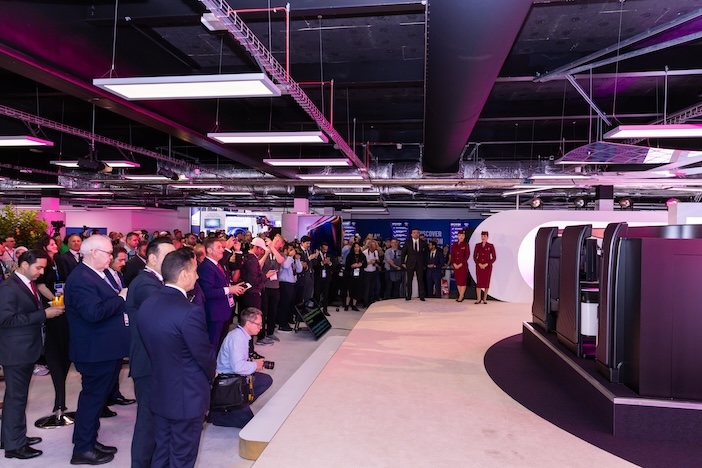
Qatar Airways Boeing 777
There’s something about settling into a Qatar Airways 777 that feels familiar now, like returning to a favorite restaurant. I’ve flown this combination more times than I can count, mostly on those long-haul routes between the Middle East and the Americas. Probably should have led with this, honestly: the Boeing 777 is Qatar Airways’ Swiss Army knife for intercontinental travel.
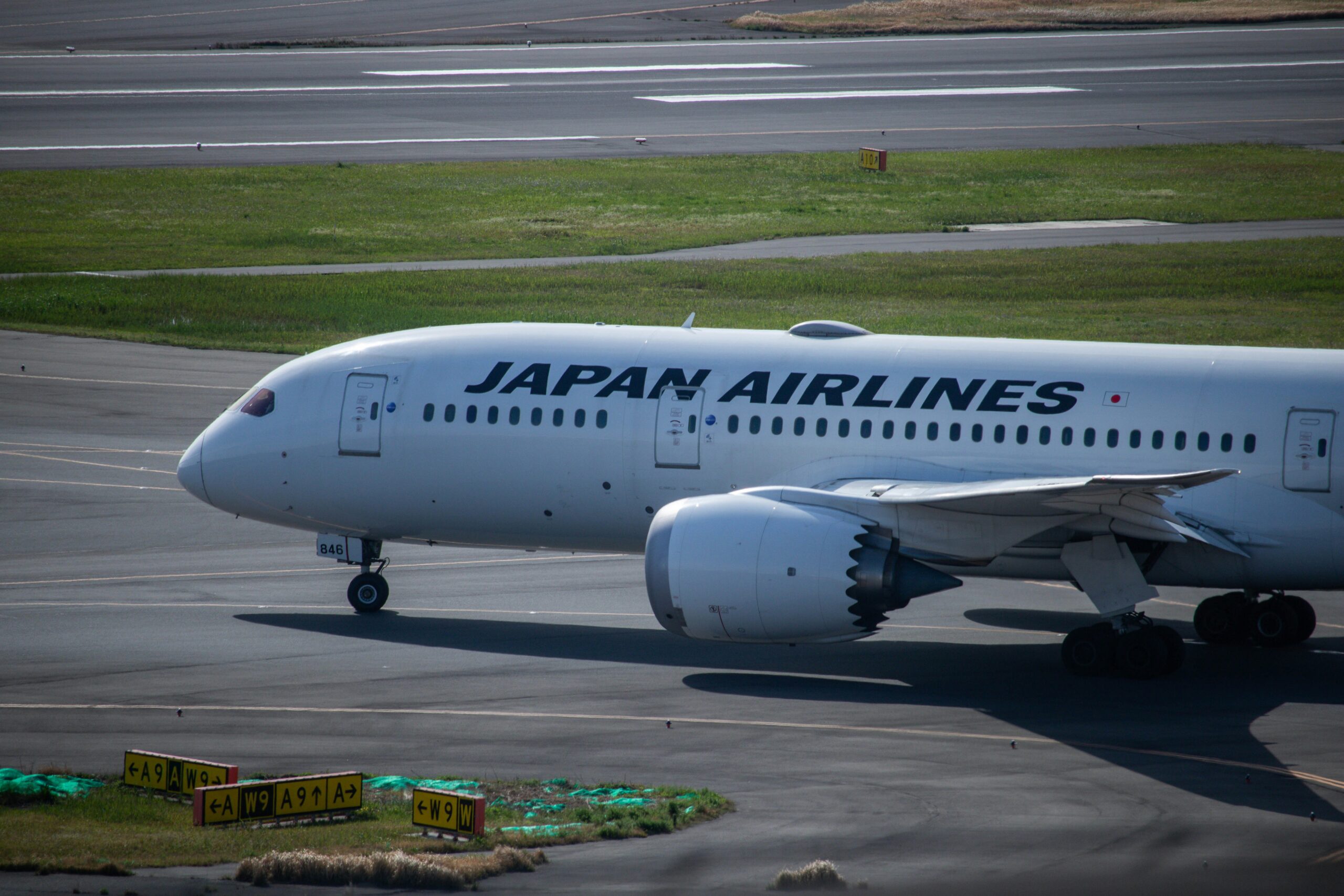
A Brief History
Boeing started developing the 777 in the late 1980s because they spotted a gap. The 767 couldn’t quite handle the capacity needed for major routes, but the 747 was often too much airplane for the job. The Triple Seven was their answer – a wide-body twin that could do it all. After extensive testing (the kind that involves flying into the worst weather imaginable on purpose), the first 777 entered commercial service in 1995. Qatar Airways brought them into their fleet starting in 2007.
What’s in the Fleet
Qatar operates two variants that serve different purposes:
- 27 Boeing 777-300ER – the high-capacity workhorse
- 9 Boeing 777-200LR – the ultra-long-range specialist
The 200LR can fly some of the longest commercial routes in the world without stopping. The 300ER carries more passengers on busier corridors. That’s what makes this fleet mix endearing to us who follow these things – it’s practical aircraft selection rather than vanity ordering.
The Cabin Experience
I’ve spent enough nights in Qatar’s 777 Business Class to have opinions. The lie-flat beds actually work for sleeping, which is rarer than you’d think in aviation. The touchscreen entertainment is responsive (again, not always a given), and the privacy partitions mean you’re not making awkward eye contact with your neighbor at 3 AM.
Economy is better than most, too. Seat pitch that doesn’t require you to be a contortionist, adjustable headrests that stay where you put them, and an entertainment library deep enough to get through any flight.
Technology and Connectivity
The Oryx One entertainment system has genuinely extensive content. Wi-Fi throughout the flight keeps you connected, though whether that’s a blessing or curse depends on your inbox situation. You can text, browse, and stream your way across oceans if you want to.
Why Airlines Love the 777
Two engines instead of four means lower maintenance costs and better fuel efficiency. The 777 has proven incredibly reliable over decades of service. For passengers, this operational efficiency translates into more competitive fares and more route options. The economics just work.
Environmental Angle
Qatar Airways has been investing in sustainability initiatives, and the 777’s efficient design helps with those goals. Modern engines and improved aerodynamics mean less fuel burn per passenger mile. They’re also exploring sustainable aviation fuels. Progress, at least.
Looking Ahead
The 777X is on order, promising better fuel economy and even longer range. When those aircraft start arriving, Qatar’s network will likely expand further. But for now, the current 777 fleet continues doing exactly what it was designed to do: connecting the world through Doha reliably and comfortably.
Related Articles
Continue exploring:
- FAA Innovations: Elevating Our Skies with New Safety Tech
- Doug Parker: Leading Positive Change in Aviation Industry
- Bombardier Global 7500: Redefining Luxury in Aviation Excellence




Stay in the loop
Get the latest wildlife research and conservation news delivered to your inbox.