An Indigenous Airline Takes Flight
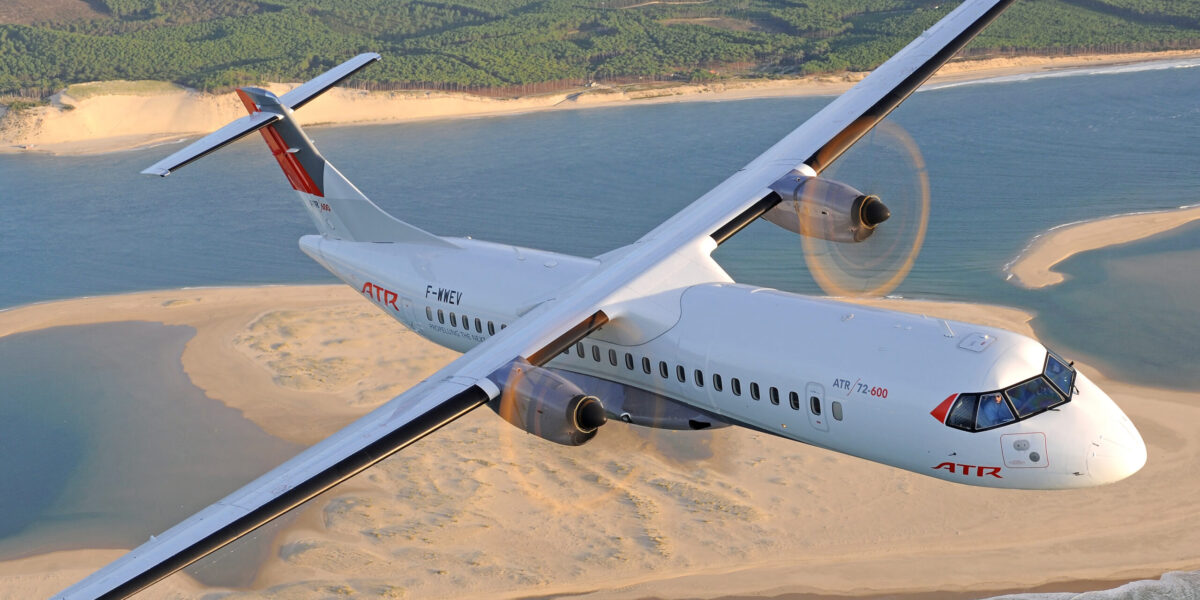
I was following Canadian regional aviation news when Rise Air’s ATR delivery came across my feed, and it stopped me cold. This wasn’t just another aircraft acquisition story. Rise Air, Saskatchewan’s Indigenous-owned airline, has taken delivery of its first ATR 72-600, becoming the launch customer for the latest generation ATR -600 series in Canada. The delivery represents more than new metal on the ramp: it’s a milestone for Indigenous participation in Canadian aviation.

The ATR 72-600 joins Rise Air’s fleet as part of a three-aircraft agreement that will transform the airline’s ability to serve remote communities across Western Canada.
Who Is Rise Air
Rise Air operates as a regional carrier focused on connecting Indigenous communities and underserved markets across Saskatchewan and neighboring provinces. Probably should have led with this, honestly, but the airline is majority-owned by Indigenous investors and emphasizes service to First Nations communities that lack other transportation options.
For many remote communities, aviation is the only reliable year-round transportation link. Roads may be seasonal or nonexistent. Rise Air provides essential connectivity for:
- Medical travel to urban centers
- Business and government connections
- Family visits and cultural events
- Emergency transportation
- Cargo and mail delivery
Why the ATR 72-600
The ATR 72-600 is purpose-built for the kind of flying Rise Air does. As a turboprop regional aircraft, it offers capabilities that jets simply cannot match in this environment.
Short-field capability: Many remote Canadian airports have limited runway lengths. The ATR can operate from strips that would challenge larger jets, opening routes that would otherwise be impossible.
Fuel efficiency: Turboprop engines consume less fuel than jets, making longer stage lengths economical even with lower passenger loads typical of remote routes.
All-weather capability: Canadian winters are unforgiving. The ATR is certified for icing conditions and cold weather operations common in Saskatchewan’s harsh climate.
Passenger comfort: The -600 series features improved cabins compared to older turboprops, with better lighting, overhead bins, and seat comfort. That’s what makes the ATR 72-600 endearing to both operators and passengers: it combines rugged capability with modern amenities.
What This Means for Communities
Rise Air’s ATR fleet expansion directly improves life for remote community residents. Better aircraft mean:
- More reliable service in challenging weather
- More comfortable travel experiences
- Greater cargo capacity for essential goods
- Improved medical evacuation capability
Indigenous Aviation Leadership
Rise Air represents a broader trend of Indigenous participation in Canadian aviation. First Nations communities have long recognized aviation’s importance for remote area development. Ownership and control of essential air services is a logical extension of self-determination.
Other Indigenous-owned or affiliated airlines operate across Canada, serving communities from the Atlantic to the Pacific. Rise Air’s ATR acquisition strengthens this network and demonstrates what’s possible when communities control their own transportation infrastructure.
The Bottom Line
The ATR 72-600 delivery is a story about technology enabling connection. For Saskatchewan’s remote communities, having modern aircraft operated by an Indigenous-owned carrier represents both practical improvement and symbolic progress.
Aviation remains essential infrastructure for regions that road networks cannot serve. Rise Air’s investment ensures that essential connectivity continues and improves for the communities that depend on it most. Sometimes the best aviation stories aren’t about speed or luxury, but about access.


Leave a Reply