
Aviation Fuel Prices: What Every Pilot and Traveler Should Understand
I check fuel prices before every flight the way most people check weather – it’s become automatic. Last month, the price at my home airport jumped 40 cents per gallon in a single week, which nobody predicted. Understanding what drives aviation fuel prices helps explain why ticket costs fluctuate and why some airports charge significantly more than others.
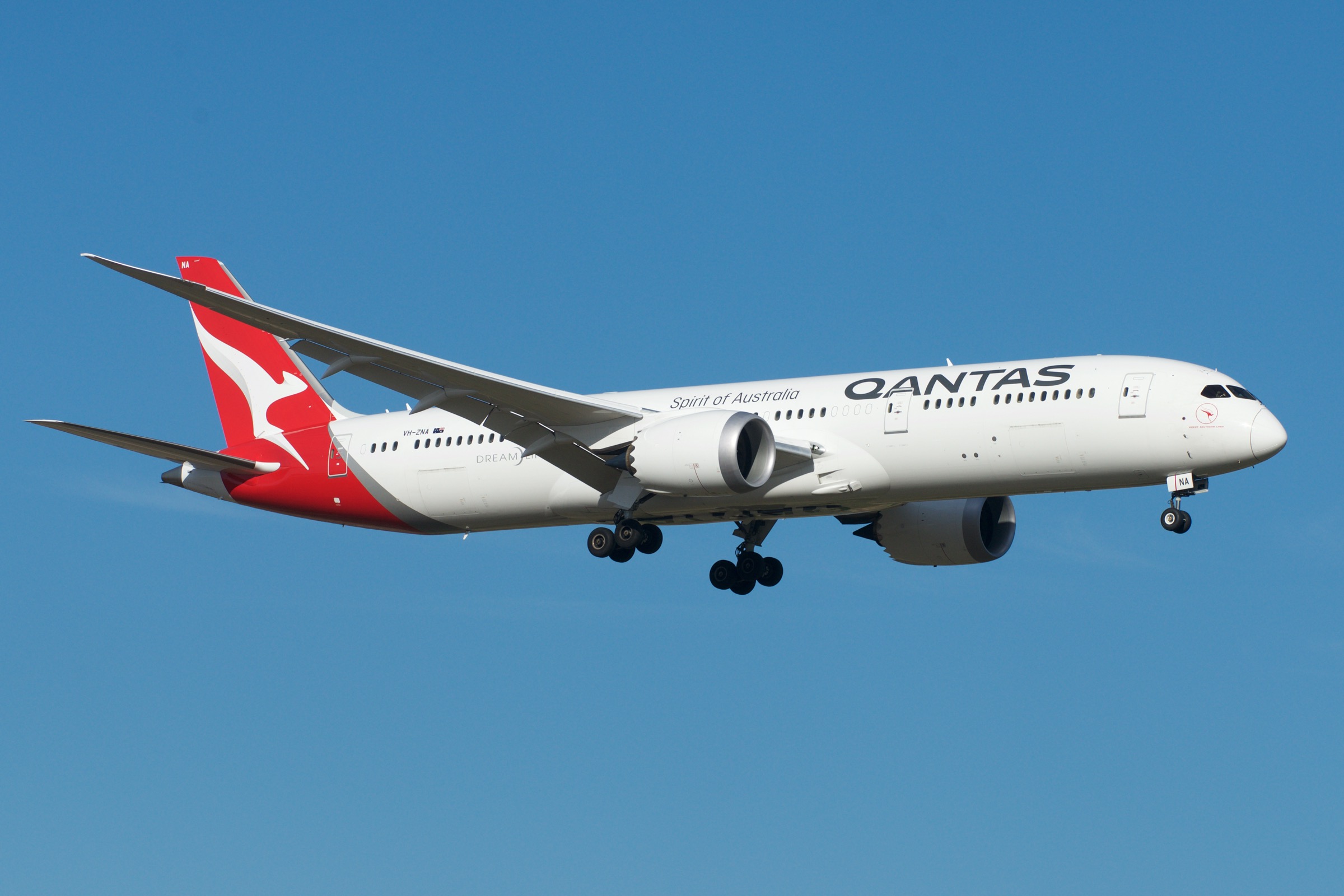
Types of Aviation Fuel
Probably should have led with this, honestly: aviation fuel comes in two main varieties. Avgas (aviation gasoline) powers piston-engine aircraft – your Cessnas and Pipers. Jet fuel, particularly Jet-A and Jet-A1, powers turbine engines in everything from small turboprops to 747s.
The distinction matters because these fuels come from different refinery processes and have different price dynamics. Avgas prices have increased disproportionately as the fuel becomes specialized and production volumes decrease.
Factors Influencing Aviation Fuel Prices
Crude Oil Prices
Crude oil is the raw material, so its price fundamentally drives aviation fuel costs. Global supply and demand, OPEC decisions, geopolitical tensions, and economic cycles all affect crude prices. When oil spikes, fuel follows – usually within days.
Refinery Operations
Refineries add costs for processing, maintenance, and margin. Disruptions – hurricanes hitting Gulf Coast refineries, for example – can spike prices temporarily even when crude remains stable. Refinery capacity constraints during peak demand periods also affect pricing.
Geopolitical Events
That’s what makes fuel prices endearing to economists and frustrating to operators – geopolitics can override market fundamentals overnight. Conflicts, sanctions, trade disputes, and political instability in oil-producing regions create uncertainty that manifests as price volatility.
Seasonal Demand
Summer travel season increases demand, typically pushing prices higher. Winter holidays create another demand spike. Refineries adjust production seasonally, but mismatches between supply and demand still cause predictable price patterns.
Environmental Regulations
Regulations requiring cleaner fuels add production costs. The aviation industry’s commitments to reduce emissions drive investment in sustainable aviation fuels, which currently cost more than conventional jet fuel.
Impact on Airlines
Fuel typically represents 20-30% of airline operating costs – second only to labor. Small price changes multiply across millions of gallons consumed annually, creating massive profit swings.
Fuel Hedging
Airlines use hedging contracts to lock in future fuel prices, providing budget predictability. When fuel prices rise above hedged rates, airlines benefit. When prices fall below hedged rates, they’ve essentially overpaid. Southwest Airlines built a reputation on successful hedging strategies; others have lost billions on bad hedges.
Ticket Prices
Rising fuel costs eventually reach passengers through higher ticket prices or fuel surcharges. Competition limits how much airlines can pass through, though. Sometimes airlines absorb fuel cost increases rather than lose bookings to competitors.
Global Distribution
Aviation fuel moves through complex supply chains. Pipelines feed major airports. Tanker trucks serve smaller fields. Ocean tankers deliver to coastal airports. Each distribution method adds costs that vary by location.
That’s why fuel prices differ dramatically between airports. A major hub with pipeline access might offer significantly lower prices than a remote airport requiring truck delivery.
Environmental Impact and Alternatives
Sustainable Aviation Fuel (SAF)
SAF, made from renewable resources, offers lower lifecycle carbon emissions. Production remains limited and expensive, but investment is accelerating. Airlines increasingly commit to SAF purchases as part of sustainability initiatives.
Electric and Hydrogen
Electric aircraft work for short flights but face range limitations. Hydrogen shows promise but requires entirely new infrastructure. Both represent potential long-term alternatives rather than near-term solutions.
Future Trends
Fuel price volatility will likely continue as energy markets remain complex and unpredictable. Sustainability pressures will push costs higher in the near term while alternatives mature. Airlines that manage fuel costs effectively – through hedging, efficiency improvements, and fleet optimization – will maintain competitive advantages.
For pilots and travelers, understanding fuel dynamics provides context for the prices we see. It doesn’t make expensive fill-ups easier, but at least we know why they happen.
Related Articles
Continue exploring:
- Discovering the Marvels of the Boeing 787 Dreamliner
- Graceful Pelicans Perch: A Serene Seaside Spectacle
- Irans F-14 Tomcats: How They Keep 1970s Fighters Flying




Stay in the loop
Get the latest wildlife research and conservation news delivered to your inbox.