Southwest Airlines Merger
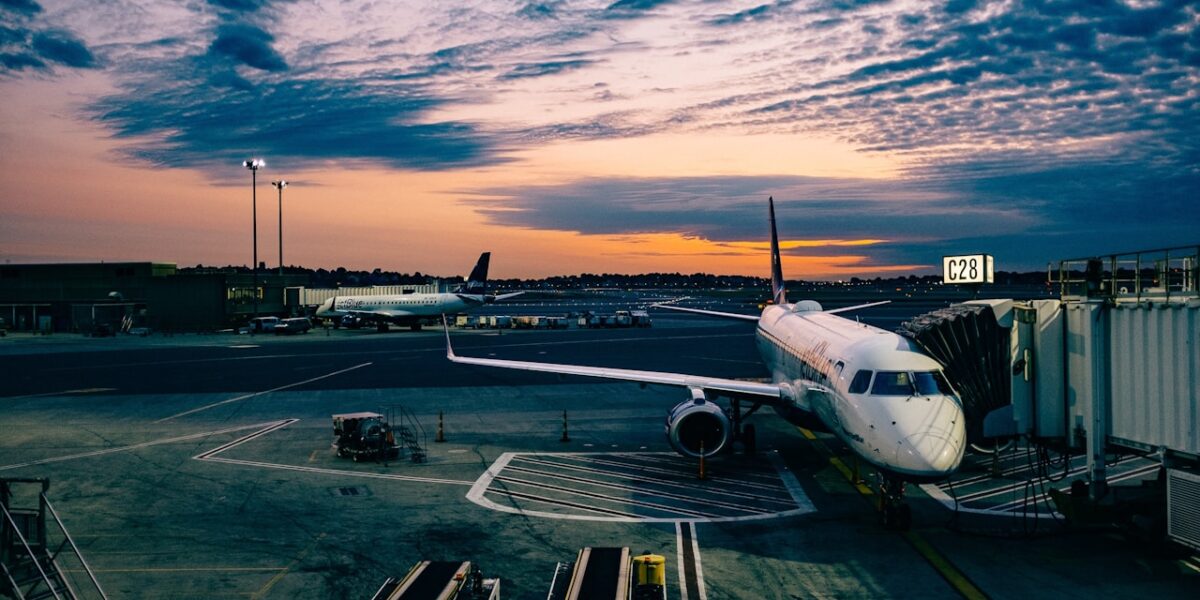
When Southwest announced it was acquiring AirTran back in 2010, I remember thinking it seemed almost out of character. Southwest had always been the scrappy independent, the airline that did things its own way. Merging with anyone felt like joining the establishment. Probably should have led with this, honestly: the Southwest-AirTran merger wasn’t just a corporate transaction. It was a strategic pivot that reshaped the low-cost carrier landscape and forced competitors to respond in ways that continue to affect how we all fly today.
Background of the Merger
The deal was announced in September 2010, valued at approximately $1.4 billion. The logic was straightforward: AirTran had built a solid network in the Southeast and Caribbean – markets where Southwest had limited presence. Rather than slowly expanding into those regions, Southwest could acquire a functioning operation overnight.
AirTran’s Atlanta hub was particularly attractive. Atlanta is one of the world’s busiest airports, and having a foothold there immediately changed Southwest’s competitive position. Regulators approved the merger without major resistance, viewing the combination as pro-competitive – adding another strong player to challenge legacy carriers.
Operational Changes Post-Merger
Integration proved more complex than announcements suggest. AirTran operated Boeing 717 aircraft; Southwest flies exclusively Boeing 737s. That fleet difference created immediate logistical headaches. Eventually, Southwest phased out all the 717s, replacing them with 737s to maintain operational consistency. Training, maintenance, spare parts – everything gets simpler when you operate a single aircraft type.
Personnel integration brought its own challenges. Some AirTran employees transitioned into Southwest roles; others faced layoffs. Different union contracts, different corporate cultures, different systems – merging any two airlines means harmonizing countless details that passengers never see but that affect everything.
Impact on Consumer Experience
For passengers, the merger eventually meant more destinations and flight options. Southwest’s famous customer-friendly policies – no baggage fees, no change fees – extended to former AirTran routes. Frequent flyers of AirTran had to migrate to Southwest’s Rapid Rewards program, which worked differently but offered solid value.
One notable change: Southwest’s open seating replaced AirTran’s assigned seats. That adjustment frustrated some travelers who preferred knowing their seat in advance. That’s what makes Southwest endearing to us who’ve adapted – the system feels chaotic until you understand the boarding group strategy, then it works fine.
Financial and Market Implications
Financially, the merger strengthened Southwest’s position. Additional routes, expanded customer base, increased market share in key regions. The acquisition cost was substantial, but the strategic value justified the investment over time.
Competitors noticed. Delta and American adjusted their strategies, particularly in the Southeast where Southwest suddenly competed more aggressively. The consolidation trend accelerated across the industry – if Southwest was merging, perhaps the conventional wisdom about staying independent needed reconsideration.
Long-term Strategic Benefits
Years later, the merger’s success seems clear. Southwest expanded from a primarily Western and Midwestern carrier into a truly national presence. International routes to Mexico, the Caribbean, and Central America – destinations AirTran had served – became part of Southwest’s network. The operational base broadened, the competitive position strengthened, and growth continued.
Challenges and Criticisms
The merger wasn’t seamless. Integrating two corporate cultures – AirTran’s more traditional structure versus Southwest’s famously informal, employee-empowered approach – required sustained effort. IT system integration caused initial glitches. Some smaller markets that AirTran served lost service as Southwest rationalized routes for profitability.
Critics noted that in certain markets, reduced competition led to higher fares – the opposite of what mergers supposedly promise consumers. Not universally, but enough that advocacy groups raised concerns about consolidation’s effects.
Regulatory Perspectives
The Department of Transportation and Federal Trade Commission monitored the merger closely. Their relatively smooth approval reflected a judgment that combining two low-cost carriers strengthened competition against legacy airlines rather than reducing it. That perspective shaped subsequent merger evaluations across the industry.
Technological Integration
Merging reservation systems, passenger service platforms, and operational control systems consumed years of technical work. Data migration, compatibility testing, security assessments – the invisible infrastructure that makes airline operations possible had to be unified. Technology teams from both airlines collaborated to minimize disruption, though some bumps inevitably occurred.
Training and Development
Comprehensive training programs brought AirTran employees into alignment with Southwest’s operational standards and customer service philosophy. Pilots, flight attendants, ground staff, customer service agents – everyone needed updated training. The investment in people helped create a unified workforce rather than two parallel operations awkwardly sharing a name.
Environmental Considerations
Fleet standardization on 737s brought some environmental benefits – newer, more efficient aircraft replacing older models. Southwest maintained its sustainability commitments through optimized flight paths, recycling programs, and gradual fleet modernization.
Customer Feedback and Adaptation
Throughout the integration, Southwest gathered extensive customer feedback. Surveys, focus groups, direct input – all informed decisions about service offerings and operational changes. This responsiveness helped maintain loyalty during a transition that could easily have alienated customers from either legacy airline.
Brand Integration
The AirTran brand eventually disappeared entirely, absorbed into Southwest’s identity. Marketing campaigns emphasized the combined network’s expanded reach while reinforcing Southwest’s core values. Airport signage, digital platforms, customer touchpoints – everything unified under the Southwest brand, completing the merger’s visible transformation.

Stay in the loop
Get the latest wildlife research and conservation news delivered to your inbox.