
Star Alliance Membership Cost
I was chatting with an airline industry friend recently who mentioned that her carrier was evaluating Star Alliance membership. “The numbers are intimidating,” she said, “but the access might be worth it.” That conversation got me thinking about what actually goes into joining and maintaining membership in one of aviation’s biggest alliances.
What Star Alliance Actually Is
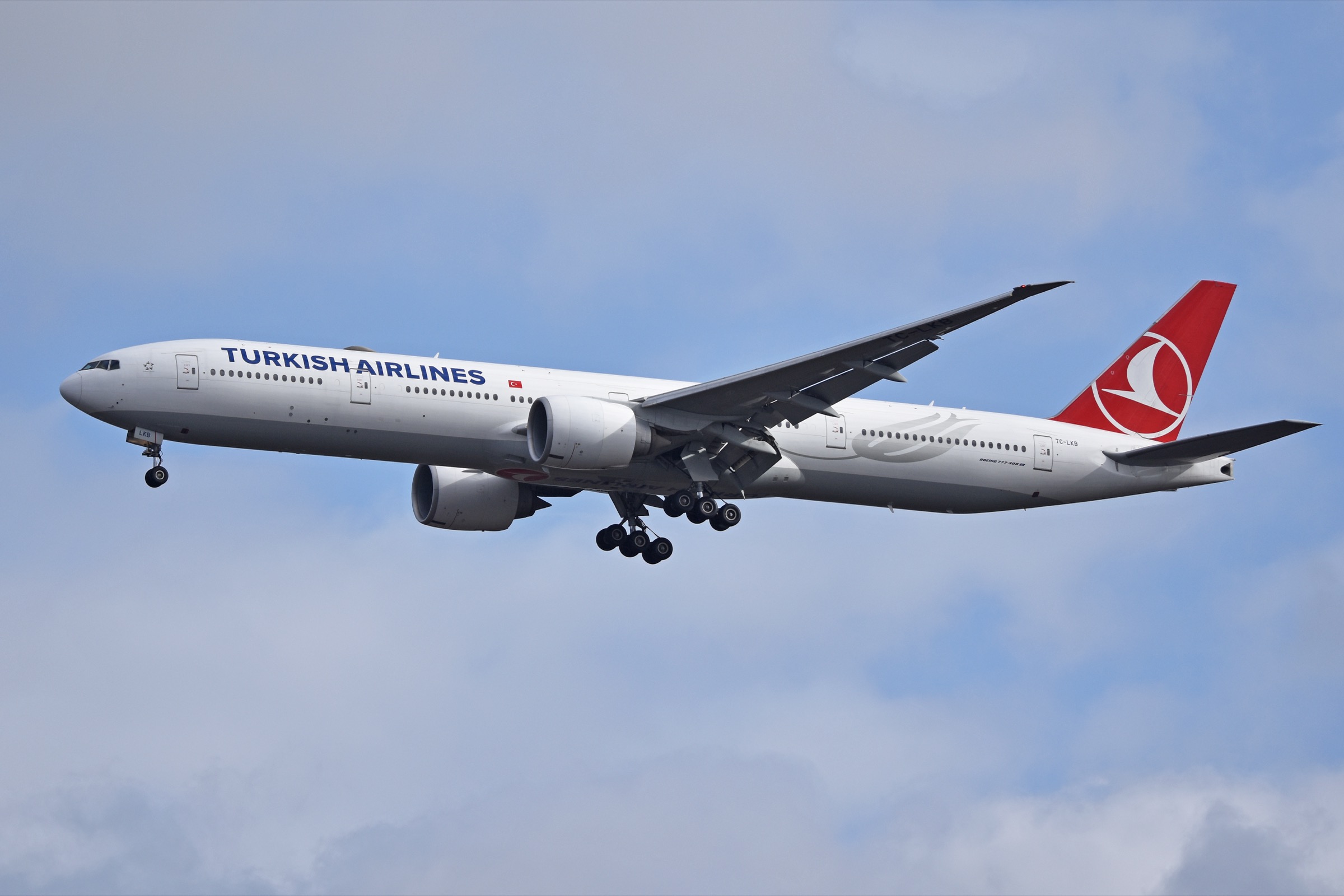
Before diving into costs, let’s set the context. Star Alliance isn’t a membership club for travelers – though travelers certainly benefit from it. It’s an alliance of 26 airlines serving over 1,300 airports in 195 countries. The member airlines coordinate schedules, share lounges, recognize each other’s frequent flyer status, and generally make international travel smoother for passengers booking across multiple carriers.
The perks for travelers – lounge access, priority boarding, easier connections – exist because the airlines have invested heavily in making their systems work together.
Getting Your Foot in the Door
Here’s where it gets interesting. Becoming a Star Alliance member isn’t like joining a gym. There’s no online application form. The process starts with Star Alliance evaluating whether your airline meets their standards and fits their network strategy. They’re looking at safety records, operational quality, geographic coverage, and whether you fill gaps in their existing network.
Probably should have led with this: membership is for airlines, not individual travelers. When passengers ask “how do I join Star Alliance?” the answer is you don’t – you fly with member airlines and earn status through their programs.
The Initiation Fee Reality
The upfront cost to join Star Alliance is substantial, though exact figures aren’t publicly disclosed. Industry insiders estimate initiation fees in the range of several million dollars. What does that money cover? Integration work, primarily. Your airline’s IT systems need to talk to the alliance’s systems. Your operations need to align with their standards. Your staff needs training. Your airport facilities might need upgrades.
It’s not just writing a check – it’s funding a significant organizational transformation.
Ongoing Dues and Contributions
The initiation fee is just the beginning. Member airlines pay annual fees that support alliance operations, marketing campaigns, and joint initiatives. These funds pay for things like:
- Coordinated advertising across global markets
- Brand development and maintenance
- Customer service improvements that benefit all members
- Technology platforms that enable seamless passenger experiences
Think of it like condo association fees – everyone contributes to maintaining the common infrastructure.
Meeting and Maintaining Standards
Star Alliance enforces operational standards across all members. Safety, security, service quality, IT interoperability – there are benchmarks for everything. Airlines undergo regular audits to verify compliance, and these audits sometimes reveal gaps that need addressing.
Those fixes cost money. Maybe your lounges need upgrades. Maybe your booking systems need modifications. Maybe your ground handling procedures need refinement. Continuous improvement isn’t just a buzzword here – it’s a financial commitment.
The Revenue Sharing Model
One of the genuine benefits of membership is code-sharing. Airlines can sell tickets on each other’s flights, expanding their reach without buying more aircraft. A passenger in Budapest can buy a ticket from a local carrier that includes segments on three different Star Alliance members, all on one itinerary.
Revenue from these tickets gets divided according to pre-negotiated formulas. Making this work requires sophisticated revenue management systems and genuine cooperation between airlines that might otherwise be competitors. The infrastructure for this isn’t cheap, but the potential revenue justifies the investment.
Technology Integration Costs
Getting your airline’s systems to play nicely with Star Alliance infrastructure is probably the most underestimated expense. Booking systems, check-in platforms, baggage handling, customer databases – everything needs to integrate. Airlines often need to update or completely overhaul their existing technology.
Network infrastructure upgrades come next. The increased data flow between alliance members requires robust connectivity. IT departments at member airlines often grow specifically to manage these integration demands.
Training Your People
Star Alliance service standards require trained staff. Customer service representatives need to understand how alliance benefits work. Ground crew needs to handle passengers from partner airlines correctly. Even flight crews need awareness of cross-airline procedures.
These training programs aren’t one-time events. As policies evolve and new members join, ongoing education becomes necessary. Budget accordingly.
Marketing Contributions
Unified branding matters in the airline world. Joint marketing campaigns promote the alliance as a whole, driving business to all members. Airlines contribute financially to these efforts, which can include:
- Global advertising campaigns
- Sponsorship of major events
- Promotional materials
- Digital marketing initiatives
The collaborative approach can be powerful – reaching audiences that a single airline couldn’t afford to reach alone.
Is It Worth the Investment?
Every airline considering Star Alliance membership has to run the numbers. The costs are real and significant. But so are the potential benefits:
- Access to a global network of destinations
- Shared resources and cost efficiencies
- Enhanced service quality through collaboration
- Increased passenger traffic through code-share arrangements
- Competitive advantages against non-allied carriers
For airlines serving primarily domestic markets or very specific international routes, membership might not make sense. For carriers with global ambitions and passengers who want seamless worldwide travel, the math often works out favorably.
The Bottom Line
Understanding Star Alliance membership costs means looking beyond the obvious fees. Initial investment, ongoing contributions, compliance requirements, technology integration, training, marketing – it all adds up. But for airlines that can leverage the global network effectively, membership offers competitive advantages that justify the expense.
Is it right for every airline? No. Is it a serious business decision requiring careful financial analysis? Absolutely. The airlines that make it work are the ones that go in with clear eyes about both the costs and the opportunities.



Stay in the loop
Get the latest wildlife research and conservation news delivered to your inbox.