SpaceX’s Starlink has imposed a hard speed cap of 87 knots (100 mph ground speed) on affordable roaming plans, forcing general aviation pilots toward aviation-tier subscriptions costing $250 to $1,000 per month—a move that has triggered widespread pilot petitions and a formal complaint from the Aircraft Owners and Pilots Association.
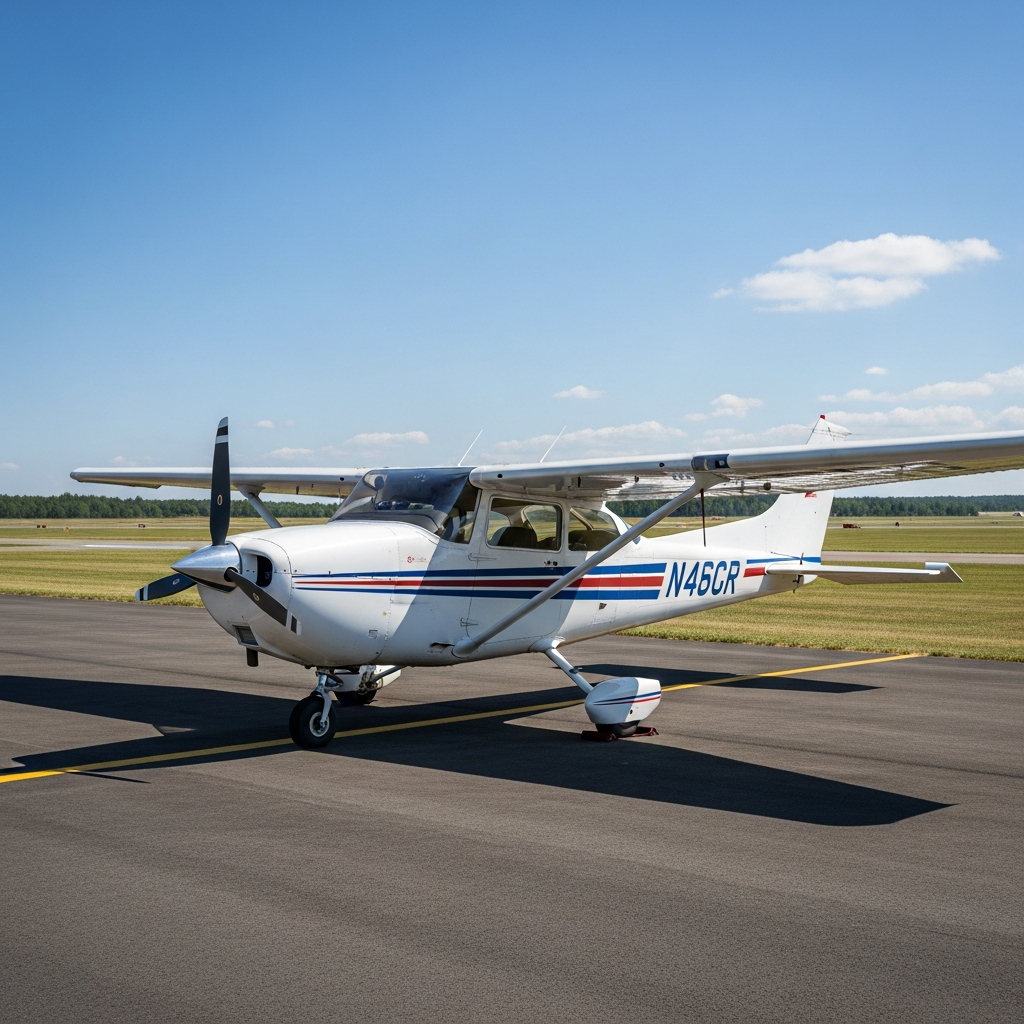
The restriction took effect in late June 2026. It represents a dramatic reversal from the open-speed access pilots enjoyed just months earlier. Before the cap, a Starlink Mini portable terminal—costing just $250—worked flawlessly at standard cruise speeds. Cessna 172s, Piper Cherokees, Cirrus SR22s, and Beechcraft Bonanzas all operated comfortably on $50–$65 monthly roaming plans. Today, every one of those aircraft exceeds the 87-knot threshold in level flight, rendering the affordable plans technically useless for any meaningful in-flight operation.
The Pricing Whipsaw
The financial damage is severe. Pilots who adopted Starlink for safety enhancements now face an 8.5× increase in per-gigabyte cost. Under the old Local Priority plan at 50 GB monthly, pilots paid approximately $1.30/GB. The new General Aviation Local tier—revised slightly in April 2026 to $200/month with 50 GB included—now runs $11.00/GB for equivalent data consumption, plus the hard speed floor at 87 knots. Those needing higher speed must jump to the $1,000/month Global 50GB plan, which includes overage charges of $100 per 50 GB block.
AvBrief and AIN Online confirmed the April revision around April 21–23, 2026. SpaceX reduced the Aviation 300MPH plan from $250 to $200 monthly and improved data from 20 GB to 50 GB—a partial concession. But the 87-knot cap on roaming plans remains untouched. By mid-April 2026, more than 9,000 pilots had signed a Change.org petition demanding restoration of affordable, high-speed roaming access.
AOPA’s Formal Objection
The Aircraft Owners and Pilots Association and International Aircraft Owners and Pilots Association jointly submitted a formal letter to Elon Musk in response to the speed cap. They represent 400,000 pilots across more than 80 countries. Jim Coon, AOPA’s Senior Vice President of Government Affairs, said: “A large number of general aviation operators across the globe have used Starlink as a safety-enhancing tool, and it is unfortunate that the company has now priced out the lion’s share of general aviation pilots.”
AOPA requested that SpaceX “engage with representatives of the global general aviation community to explore a revised framework that preserves accessibility.” The organization warned that current pricing would trigger mass subscription cancellations and damage Starlink’s network effects in aviation. Starlink has not formally responded.
Why SpaceX Made This Move
Industry analyst Kim Burke at Quilty Space provided the clearest explanation: “If a GA pilot can slap a $250 Starlink Mini on the glareshield and get basically the same service for $50 a month, that’s a pricing integrity problem when a bizjet operator is paying $10,000 a month.” American Airlines and Southwest Airlines now contract Starlink for commercial fleet installations—at $170,000 to $300,000 per aircraft. SpaceX is protecting beam capacity and service-level guarantees for high-revenue customers. Starlink is on track to generate $20 billion this year. The company manufactures roughly 170,000 user terminals weekly at its Bastrop County facility near Austin.
What Pilots Say
One petition signer named John captured the frustration: “Starlink was arguably the greatest safety advancement in the last ten years, and now we’ve had the rug pulled out from under us. Tens of thousands of pilots invested heavily in equipment, plans, and mounts, and Starlink has ignorantly destroyed a lot of goodwill.”
Consider the practical impact: 87 knots is slower than many aircraft taxi speeds. This renders the standard plans essentially non-functional for flight operations. As pilots seek alternatives, lower-bandwidth certified options like Iridium Go! and Garmin inReach see renewed interest, though neither offers broadband speeds.
SpaceX’s silence on the AOPA letter, combined with ongoing petition growth, suggests this conflict is far from resolved. We’ll continue to monitor Starlink’s response and any potential regulatory action.
Sources
- Aero-News.net — SpaceX Starlink Aviation Speed Cap Coverage
- Aircraft Owners and Pilots Association (AOPA) — Official Statement and AOPA/IAOPA Joint Letter to Elon Musk
- Aviation International News (AIN Online) — Starlink Pricing Revisions, April 23, 2026
- AvBrief — SpaceX Revises GA Pricing Structure
- Change.org Petition — General Aviation Pilot Petition Against Starlink Speed Cap
- Quilty Space — Satellite Industry Analysis


Stay in the loop
Get the latest aircraft insider updates delivered to your inbox.