
ADS-B Tracking: How Aircraft Position Data Changed Aviation Forever
I got into ADS-B tracking about five years ago when I built my first receiver from a $25 software-defined radio dongle and an antenna made from coat hanger wire. Within an hour of setting it up, I was watching aircraft positions populate on my screen in real time. The technology that makes this possible has fundamentally transformed both air traffic control and aviation enthusiasm.

How ADS-B Actually Works
ADS-B – Automatic Dependent Surveillance-Broadcast – does exactly what the name suggests. Aircraft equipped with the system broadcast their position, velocity, and identification every second. The position comes from GPS, making the system “dependent” on the aircraft’s own navigation equipment rather than ground-based radar.
Air traffic controllers receive these broadcasts at ground stations. Other aircraft equipped with ADS-B In can receive the broadcasts directly. This dramatically improves situational awareness for everyone involved.
The Two Components
Probably should have led with this, honestly: ADS-B has two distinct parts that often get confused.
- ADS-B Out: Broadcasts the aircraft’s position and information to ground stations and other aircraft. This is the mandatory part that the FAA requires.
- ADS-B In: Receives broadcasts from other aircraft and ground stations, including traffic information and weather updates. Optional but extremely useful for pilots.
Why It Matters
The benefits for aviation safety are substantial. Pilots get real-time information about nearby aircraft, helping prevent collisions. Controllers get more accurate airspace pictures than radar alone provides. Automated broadcasts reduce voice communications, lowering the risk of misunderstandings. More accurate routes and altitudes save fuel.
The FAA mandated ADS-B Out equipment for aircraft operating in most controlled airspace starting January 1, 2020. Similar regulations exist in Europe and other regions. The goal is modernizing air traffic management systems that were designed decades ago.
Building Your Own Tracker
Setting up an ADS-B receiver has become a surprisingly accessible hobby. The basic components include:
- SDR Dongle: Software-defined radio devices convert the 1090 MHz radio signals into digital data. They cost around $25-50 online.
- Antenna: A good ADS-B antenna can receive signals from aircraft hundreds of miles away. Purpose-built antennas outperform improvised options.
- Decoding Software: dump1090 and FlightAware’s PiAware are popular options that process the received signals into usable data.
Connect the dongle to a computer or Raspberry Pi, attach the antenna, install the software, and you’re receiving aircraft data. Depending on location and setup, you might pick up hundreds of aircraft daily.
Online Tracking Platforms
Several websites aggregate ADS-B data from receivers worldwide:
- FlightAware: One of the most popular flight tracking sites. Users can track flights, view historical data, and contribute their own receiver data.
- Flightradar24: Offers real-time tracking, weather overlays, and airport information. Has a massive network of receivers.
- ADS-B Exchange: Known for open data sharing without restrictions. Popular among enthusiasts who want access to unfiltered data.
Limitations to Understand
ADS-B relies on line-of-sight communication. Signals can be blocked by terrain, buildings, or other aircraft. Not all aircraft have ADS-B equipment yet – general aviation compliance in particular varies.
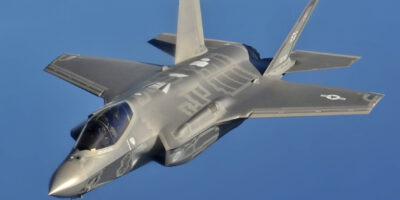
Security and privacy concerns exist because broadcasts are unencrypted. Anyone with the right equipment can receive the data. Military and some government aircraft often operate without ADS-B transponders for this reason. Regulatory bodies are working to address these issues while preserving the technology’s benefits.
The Future
Researchers are exploring integration with satellite-based surveillance and artificial intelligence to improve accuracy and coverage. Space-based ADS-B receivers now track aircraft over oceans where ground-based coverage doesn’t exist. Efforts continue to address security concerns while maintaining the open nature that makes ADS-B so useful.
That’s what makes ADS-B tracking endearing to aviation enthusiasts – it’s real technology with real operational importance, and anyone with modest technical skills can participate in the global network that makes it work.
Related Articles
Continue exploring:
- Explore San Jose Airport: Gateway to Silicon Valley Wonders
- Commander 114B: Leading Innovation with Unmatched Excellence
- Experience Elite Comfort: Cathay Pacific A350 Premium Economy


Stay in the loop
Get the latest wildlife research and conservation news delivered to your inbox.