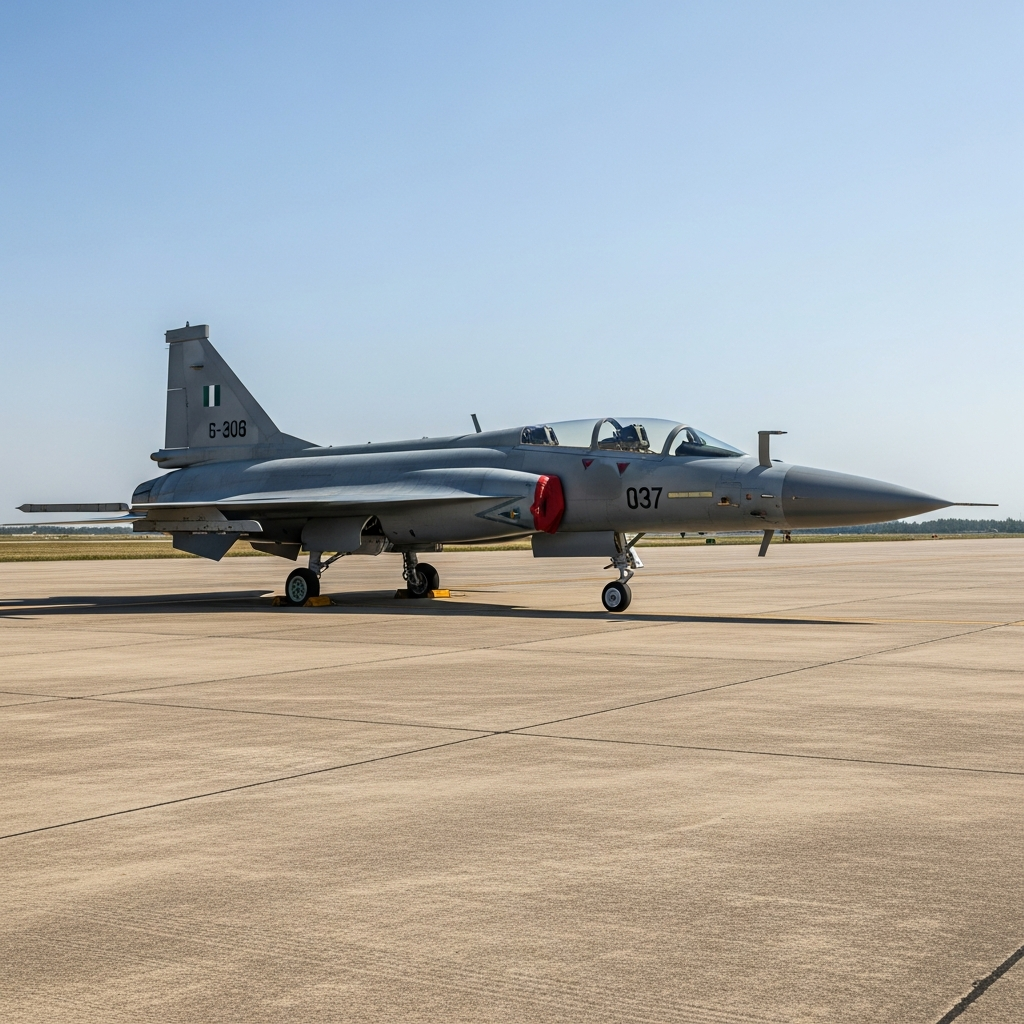
On July 24, the United Kingdom pledged €300 million to speed up deliveries of Swedish Gripen fighter jets to Ukraine—a major show of Western military backing announced during Prime Minister Keir Starmer’s trip to Kyiv.
The money will enable Ukraine to field a full squadron of 16 newly built Saab JAS 39 Gripen E variants starting in 2029. This complements an earlier deal for 16 Gripen C/D aircraft from Sweden’s active fleet, arriving in early 2027. Together, these two batches make up Ukraine’s most aggressive fighter modernization effort since the war started.
“Today’s investment will help put advanced Gripen fighter jets in Ukrainian skies, strengthening their ability to defend their country while supporting thousands of skilled jobs here at home,” Starmer said during the announcement. Defence Minister Dan Jarvis emphasized that the aircraft will give Ukraine “the air combat capability needed to deter Russia.”
Why Gripen Over F-16
Ukraine is still getting American F-16s from allied nations, but the Gripen E/F was designed specifically for the exact conditions Ukrainian pilots are dealing with today. These jets can operate from scattered bases—damaged runways, civilian roads, grass airfields—which matters enormously since Russian missile strikes have repeatedly pounded traditional air bases.
Each Gripen needs just four to five support staff. That’s far fewer than heavier NATO fighters require, which cuts down on logistics headaches significantly. The delta-canard design and sensor fusion setup make it suited for flying in dense air defense zones against advanced Russian systems and long-range threats.
Michael Bohnert, an air warfare expert at RAND Corporation, told Business Insider the Gripen is “a little more purpose-built” for Ukraine’s operational environment. The fighter carries Saab’s Meteor long-range air-to-air missile along with AIM-120 AMRAAM and IRIS-T systems—all configured to counter Russian Su-34 Fullback fighter-bombers launching standoff glide-bomb attacks from defended territory.
British Industrial Footprint
The UK’s role goes beyond just handing over money. British firms supply roughly 30 percent of each Gripen airframe. Leonardo UK’s Edinburgh facility produces the Raven ES-05 AESA radar system—a critical component. Martin-Baker in Leicester makes the Mk10 ejection seat, while APPH manufactures landing gear and hydraulic systems.
Leonardo’s Edinburgh operation employs around 2,500 people, with roughly 150 working on Raven radar. This announcement is expected to keep hundreds of aerospace jobs across England, Scotland, Wales, and Northern Ireland going through production and support running until 2030.
Timeline and Delivery Schedule
Ukrainian pilots and technical staff have been training at Sweden’s Air Warfare Centre near Uppsala, with training sessions continuing through autumn 2026. The first batch of Gripen C/D aircraft will start arriving in early 2027 from Sweden’s active inventory—a complete tactical squadron that amounts to about 17 percent of Sweden’s roughly 94 operational Gripen C/D fighters.
The Gripen E procurement, backed by a 24.6 billion Swedish kronor EU loan, will begin deliveries in 2029 and wrap up in 2030. Ukraine has signaled it wants to eventually buy 100 to 150 Gripen E/F aircraft, and talks are happening about starting local production in 2033.
What to Watch
Starmer made this announcement during his visit to Kyiv. The incoming Labour Party leadership has pledged to keep the UK’s military backing for Ukraine flowing, suggesting this commitment will survive any transition.
When the Gripen C/D aircraft arrive in early 2027, it’ll mark a turning point for Ukrainian air operations. The fighter is built for contested airspace and rough landing strips. Watch for pilot training progress and how Ukraine incorporates Meteor missiles into its air defense strategy.
Sources
- Combat Aircraft Magazine
- UK Ministry of Defence Official Statement
- Swedish Defence Ministry Announcements
- Business Insider Defence Coverage
Stay in the loop
Get the latest aircraft insider updates delivered to your inbox.